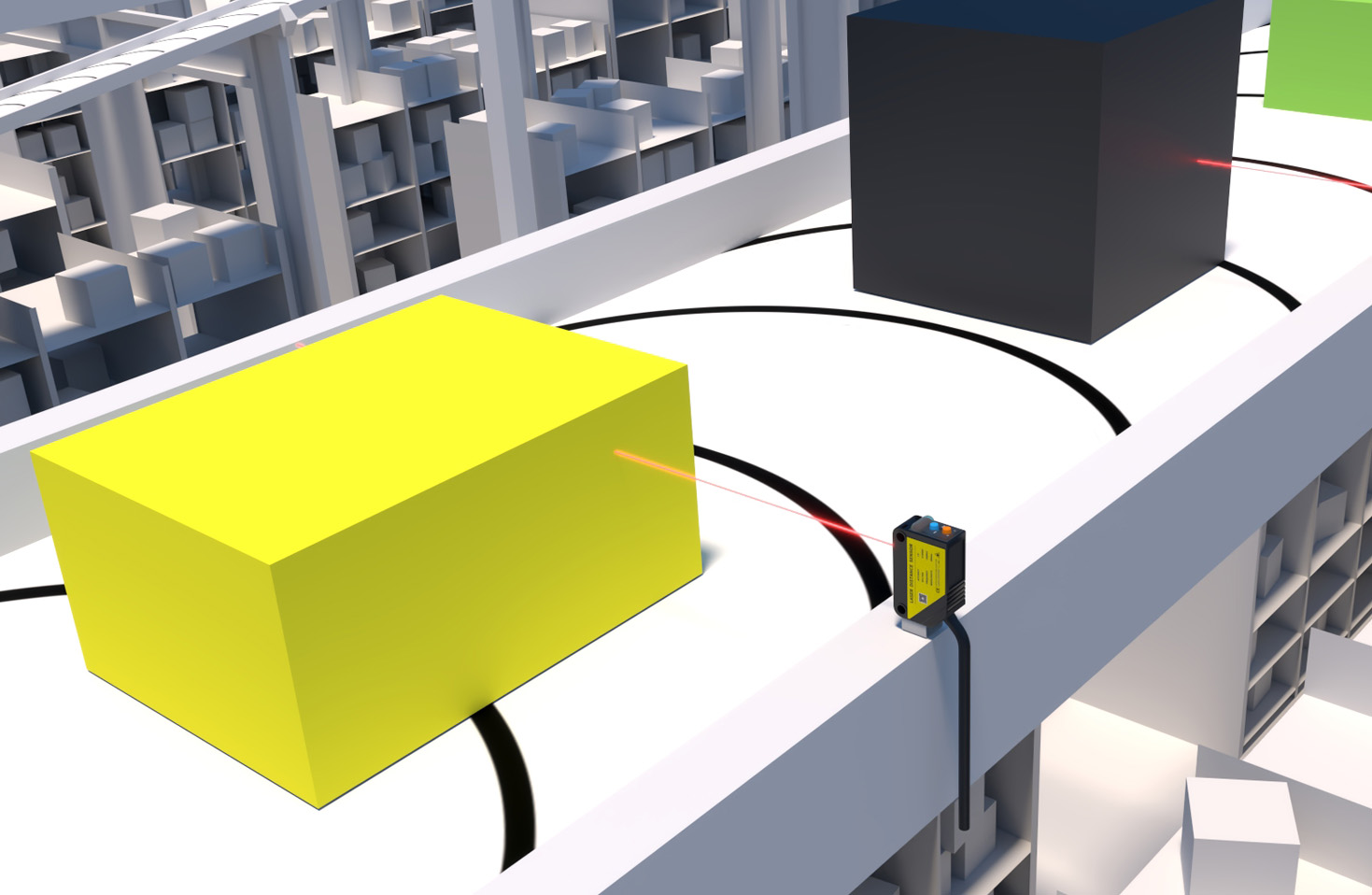
In the demanding world of industrial automation and precision measurement, laser displacement sensors are indispensable tools. Their ability to provide non-contact, high-accuracy measurements makes them critical for quality control, robotics, and process monitoring. However, a significant operational concern for engineers and plant managers is the operational lifespan of these sophisticated devices. Unlike simple mechanical components, the lifespan of a laser displacement sensor is not defined by a single "time-to-failure" but is a complex interplay of its inherent design, operational environment, and maintenance practices. Understanding these factors is key to maximizing return on investment and ensuring consistent, reliable data.
The core determinant of a sensor's longevity is the lifespan of its laser diode, the heart of the device. Manufacturers typically specify a mean time between failures (MTBF) for the laser source, often ranging from 50,000 to over 100,000 hours of continuous operation. This theoretical figure, however, assumes ideal conditions. In reality, the actual service life can be drastically reduced by several external and operational stressors. Excessive heat is the primary enemy. Laser diodes are sensitive to temperature; operating consistently above their specified ambient temperature range accelerates the degradation of semiconductor materials, leading to a gradual decline in optical output power and eventual failure. Proper heat dissipation through adequate sensor housing design and ensuring clear airflow around the unit is non-negotiable for long-term health.
Electrical stability is another crucial factor. Voltage spikes, current surges, or improper power supply specifications can cause instantaneous catastrophic failure or gradual damage to the laser diode and sensitive photodetector circuitry. Always use a stable, regulated power source that matches the sensor's specifications exactly. Incorporating surge protection devices into the power line is a wise investment, especially in environments with large inductive loads like motors or solenoids. Furthermore, the physical and optical environment plays a massive role. While the measurement is non-contact, the sensor itself is not immune to physical harm. Vibration can loosen internal components and misalign the precise optical path. Mounting the sensor securely on a stable platform using appropriate anti-vibration mounts is essential. Contamination is equally detrimental. Dust, oil mist, coolant, or other particulates can coat the sensor's front lens or window, attenuating the emitted laser beam and scattering the reflected light. This forces the sensor to operate at higher power levels to maintain signal integrity, increasing internal heat and stress. In dirty environments, selecting a sensor with a high IP rating (e.g., IP67) and ensuring any protective windows are kept clean through scheduled maintenance is critical. For applications involving intense ambient light or light from other lasers, optical interference filters must be used to prevent saturation of the receiver.
Operational parameters set by the user also impact longevity. Continuously driving the laser diode at its maximum rated output power will shorten its life. Whenever possible, configure the sensor to use the minimum laser power necessary to achieve a stable, reliable measurement on the target surface. Many modern sensors offer automatic power control features for this purpose. Additionally, consider the measurement duty cycle. A sensor in continuous use 24/7 will naturally accumulate operational hours faster than one used intermittently. For non-critical monitoring applications, programming the sensor to take measurements only when needed can extend its calendar life.

Proactive maintenance is the cornerstone of lifespan extension. This goes beyond simple cleaning. Establish a regular calibration and verification schedule using certified reference standards to detect any drift in measurement accuracy, which can be an early indicator of component aging. Monitor the sensor's internal diagnostic signals, if available, such as temperature readings or laser power feedback. Keep detailed logs of operating hours, environmental conditions, and any performance anomalies. This data is invaluable for predictive maintenance, allowing for planned replacement before a failure causes unplanned downtime. When a sensor does eventually reach the end of its usable life, proper handling is important. Consult the manufacturer for recycling or disposal guidelines, as the device contains electronic components and potentially a laser diode that requires specific handling.
In conclusion, the lifespan of a laser displacement sensor is not merely a product specification but a performance metric actively managed by the end user. By rigorously controlling the thermal, electrical, physical, and optical environment, optimizing operational settings, and implementing a disciplined preventive maintenance regimen, engineers can reliably push these precision instruments toward their maximum theoretical service life. This approach minimizes total cost of ownership, reduces production line disruptions, and ensures the high-fidelity measurement data that modern automated processes depend on.