Ultrasonic sensors are widely recognized as a critical category of proximity sensing devices in modern industrial automation and control systems. These sensors operate on the principle of emitting high-frequency sound waves, typically above 20 kHz, which are inaudible to humans, and then detecting the echoes reflected from objects within their detection range. By calculating the time interval between the emission and reception of the sound waves, ultrasonic sensors can accurately determine the distance to a target object, making them highly effective for non-contact proximity detection.
One of the primary advantages of ultrasonic sensors in proximity applications is their ability to detect a wide variety of materials, regardless of color, transparency, or surface texture. Unlike optical sensors, which may struggle with transparent or glossy surfaces, ultrasonic waves interact consistently with most solid and liquid materials, ensuring reliable performance in diverse environments. This versatility makes them suitable for applications such as liquid level monitoring in tanks, object presence detection on conveyor belts, and distance measurement in robotic guidance systems.
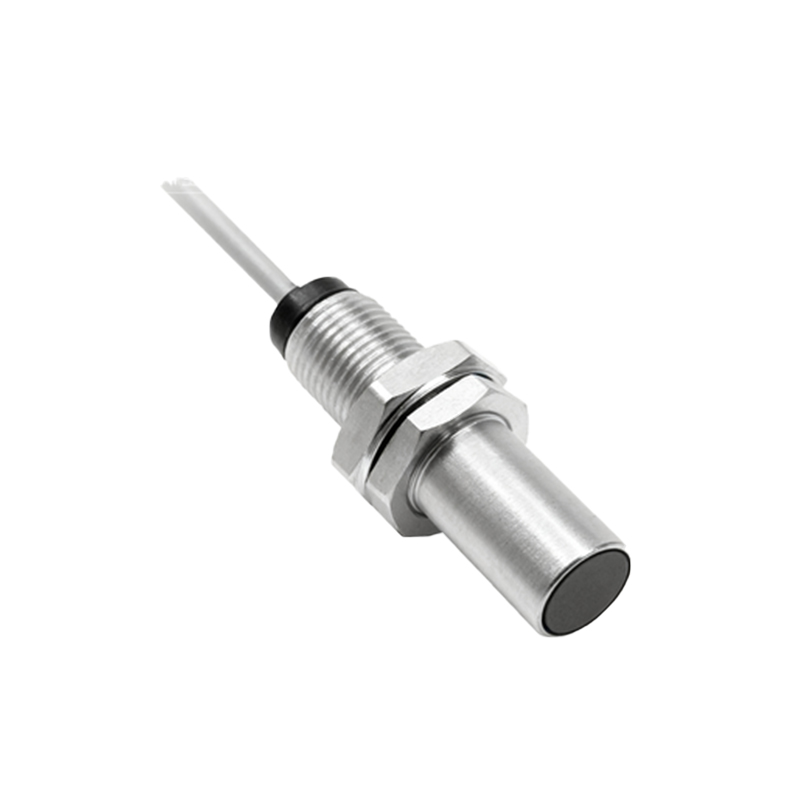
In industrial settings, ultrasonic proximity sensors are valued for their robustness and adaptability to challenging conditions. They can operate effectively in environments with dust, smoke, or varying light levels, where other sensing technologies might fail. Many models feature rugged housings that provide resistance to moisture, vibrations, and temperature fluctuations, aligning with the demands of harsh manufacturing or outdoor installations. Additionally, these sensors often offer adjustable sensing ranges and configurable output signals, such as analog voltage or current loops, facilitating seamless integration into programmable logic controllers (PLCs) and other control architectures.
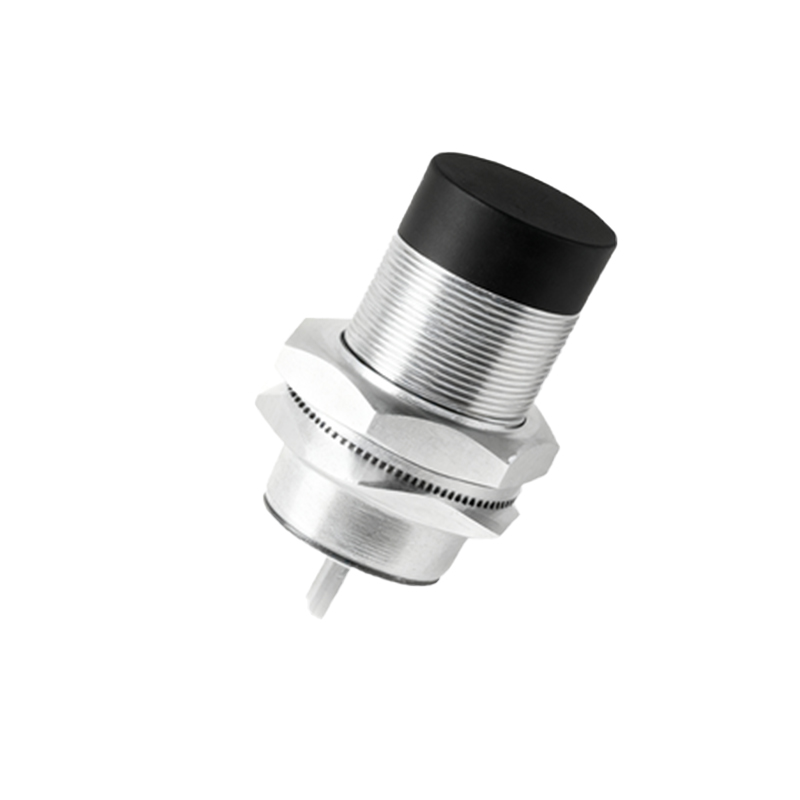
The implementation of ultrasonic sensors for proximity tasks involves careful consideration of factors like beam angle, response time, and blind zones. The beam angle determines the detection area's width, influencing the sensor's ability to pinpoint small objects or operate in confined spaces. Response time, which refers to the speed at which the sensor processes echoes and updates outputs, is crucial for high-speed automation processes. Blind zones, the minimal distance from the sensor face where detection is unreliable, must be accounted for during installation to avoid measurement errors. Modern ultrasonic sensors often incorporate advanced features like temperature compensation to maintain accuracy despite environmental changes and built-in diagnostics for predictive maintenance.
Applications of ultrasonic proximity sensors span numerous industries. In automotive manufacturing, they assist in robot positioning and part verification. In packaging lines, they ensure proper filling levels and detect missing items. In material handling, they enable collision avoidance for automated guided vehicles (AGVs). The food and beverage industry utilizes them for non-invasive liquid or solid level sensing, complying with hygiene standards. Moreover, the rise of Industry 4.0 has seen ultrasonic sensors integrated into IoT frameworks, providing real-time data for analytics and optimizing operational efficiency.
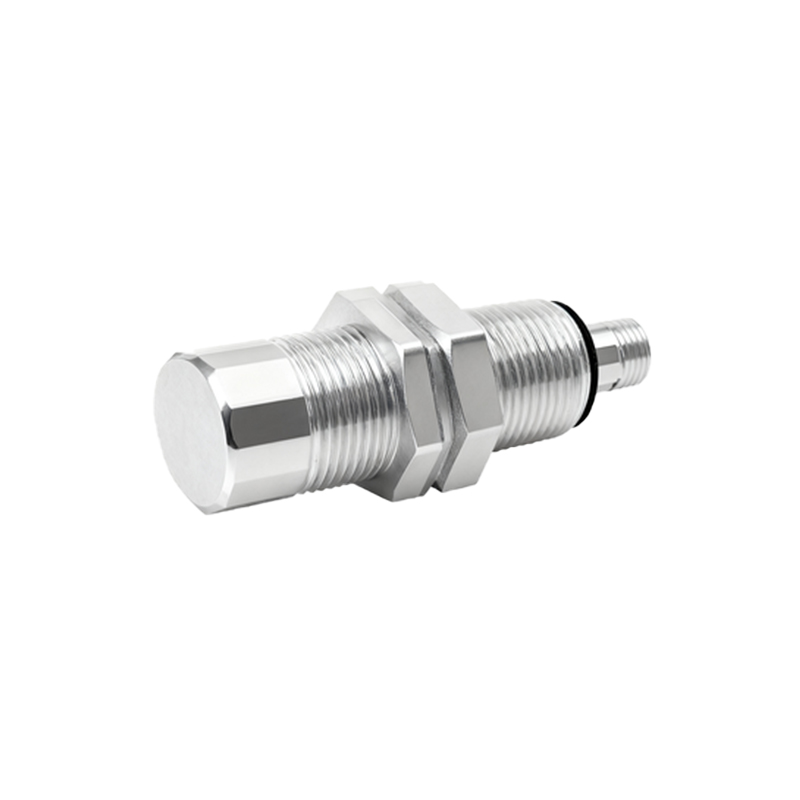
Despite their strengths, ultrasonic sensors have limitations. They may be affected by extreme temperatures or pressure variations that alter sound wave propagation. Soft materials that absorb sound, like foam, can reduce detection reliability. Acoustic interference from multiple sensors operating nearby or ambient noise in industrial plants can also pose challenges, though many devices include synchronization options or frequency modulation to mitigate cross-talk. When selecting an ultrasonic sensor for a specific proximity application, engineers must evaluate these factors against operational requirements to ensure optimal performance.
In conclusion, ultrasonic sensors represent a versatile and reliable solution for proximity sensing in industrial automation. Their non-contact nature, material independence, and environmental resilience make them indispensable in complex control systems. As technology advances, enhancements in precision, miniaturization, and connectivity will further expand their role, supporting smarter and more adaptive industrial operations. By understanding their operational principles and application nuances, engineers can effectively leverage ultrasonic sensors to enhance safety, efficiency, and productivity across various sectors.