Light curtain proximity sensors, often referred to as safety light curtains or optical guards, are critical components in modern industrial automation and machine safety systems. These devices create an invisible curtain of infrared or visible light beams between an emitter and a receiver. When an object, such as a worker's hand or a tool, interrupts one or more of these beams, the sensor sends a stop signal to the guarded machinery, preventing potential injuries or damage. The sophistication and variety of these sensors have grown significantly, catering to diverse industrial needs. This article delves into the primary types of light curtain proximity sensors and their core functionalities.
The most fundamental categorization is based on their primary purpose: Safety Light Curtains and Measurement/Detection Light Curtains. Safety light curtains are designed explicitly for personnel protection. They are built to stringent international standards (like ISO 13849 and IEC 61496) and feature high reliability, redundancy, and self-checking diagnostics. Their resolution, which is the distance between adjacent light beams, is fine enough to detect fingers or hands. They are commonly used at the point of operation on presses, robotic cells, and automated assembly lines to ensure operators cannot reach into hazardous areas while the machine is in cycle.
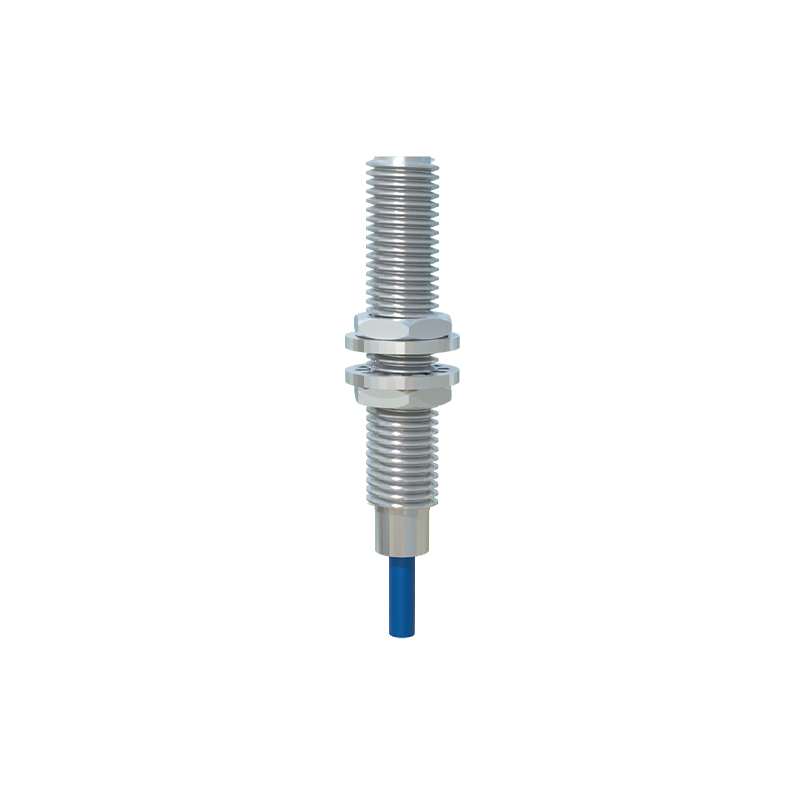
On the other hand, Measurement or Detection Light Curtains are used for non-safety, process-oriented applications. They possess a coarser resolution and are optimized for object detection, counting, sizing, and edge guidance. For instance, they can detect the height of objects on a conveyor to sort packages or verify the presence of components in an assembly jig. While they may not have the same safety-rated architecture, they offer high precision and speed for automation tasks.
Further classification can be made based on the type of light beam protection field. Type 2 and Type 4 are the most common classifications for safety devices. Type 4 light curtains offer a higher degree of safety and performance. They have a minimum of two independent internal monitoring circuits, undergo more rigorous fault detection, and are suitable for protecting against severe risks (e.g., press brakes). Type 2 devices are used for lower-risk applications where a single fault within the device will not lead to a loss of the safety function, but they still provide effective protection for many scenarios.
Another important distinction lies in the function and operating mode. Blanketing (Muting) is a crucial function that allows temporary, safe suspension of the light curtain's protective function to permit the passage of materials without stopping the machine. This is essential in automated feeding systems. Cascading involves connecting multiple light curtains to protect large or irregularly shaped hazardous areas. Restart Interlock is a safety feature that requires a manual reset after a beam breakage before the machine can restart, preventing automatic restarting which could be dangerous.

The physical design and form factor also vary. Long-range light curtains can protect areas spanning several meters, ideal for large machinery or entrance guarding. Compact or miniature light curtains are designed for small machines or confined spaces. Multiple-beam systems can be configured in specific patterns for specialized detection tasks beyond a simple planar curtain.
In terms of technology, most modern light curtains use modulated infrared LED beams to avoid interference from ambient light. Advanced models incorporate microprocessor control for sophisticated diagnostics, configurable zones, and network connectivity via protocols like PROFINET, EtherNet/IP, or PROFIsafe for integration into broader factory automation and Industry 4.0 systems.
Selecting the right light curtain involves analyzing the specific risk, the required safety performance level (PL) or category, the resolution needed, the size of the area to protect, environmental conditions (dust, vibration, temperature), and necessary auxiliary functions. Proper installation, alignment, and regular testing are paramount to ensure ongoing reliability and compliance with safety regulations.
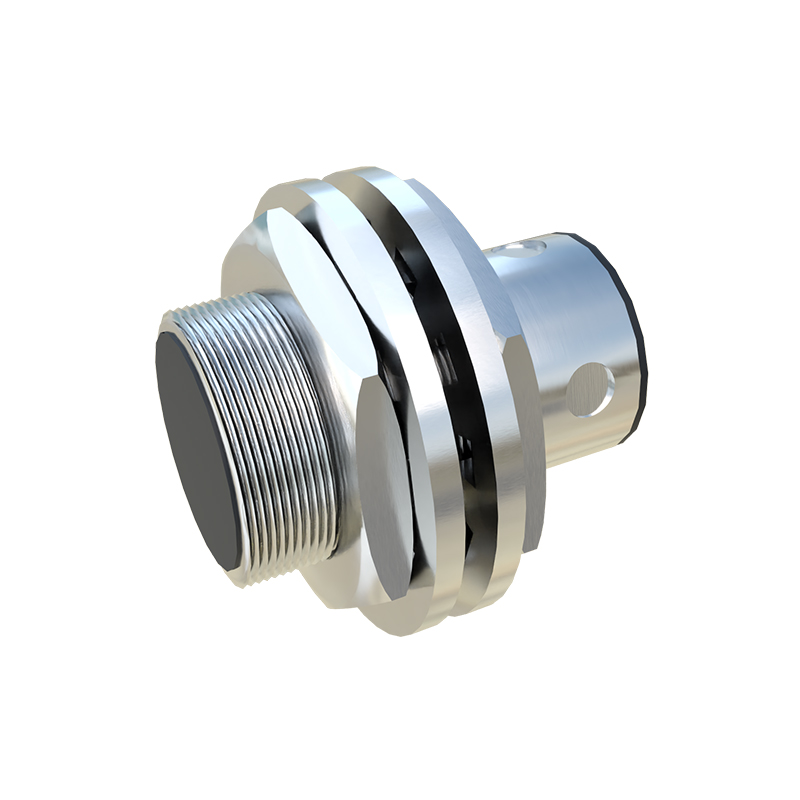
In conclusion, light curtain proximity sensors are not a one-size-fits-all solution. The industry offers a spectrum ranging from high-integrity safety guards to precise measurement tools. Understanding the categories—safety versus detection, Type 4 versus Type 2, and the array of available functions—enables engineers to design safer, more efficient, and more intelligent automated systems. As automation evolves, these sensors continue to integrate smarter features, solidifying their role as indispensable guardians and enablers of modern industrial productivity.