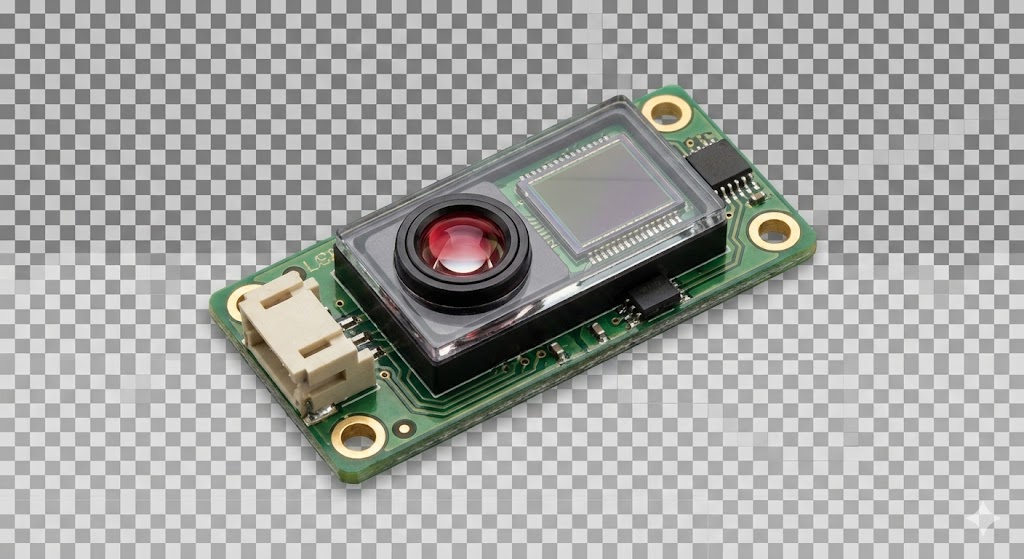
In the rapidly evolving landscape of security technology, access control laser sensors have emerged as a pivotal component for modern secure entry systems. These sophisticated devices utilize laser beams to detect, monitor, and manage access to restricted areas with unparalleled precision. Unlike traditional infrared or motion sensors, laser sensors offer higher accuracy, reduced false alarms, and enhanced reliability in various environmental conditions. This article delves into the principles, applications, and benefits of laser sensors in access control, providing insights for professionals in the electrical and security industries.
The fundamental operation of access control laser sensors is based on the emission and reception of laser light. A laser diode generates a focused beam that is directed across an entry point, such as a doorway or gate. When an object, like a person or vehicle, interrupts this beam, the sensor detects the change in light intensity and triggers a response—such as activating an alarm, logging an entry, or denying access. Advanced models incorporate modulation techniques to distinguish between genuine intrusions and environmental interference, like dust or rain, ensuring robust performance. This technology is often integrated with access control panels, biometric scanners, and surveillance systems to create a comprehensive security network.
One of the key advantages of laser sensors is their exceptional range and sensitivity. They can cover distances of up to several hundred meters, making them ideal for large-scale facilities like airports, warehouses, and industrial plants. Additionally, laser sensors are highly configurable, allowing for adjustable beam widths and detection thresholds to suit specific security needs. For instance, in high-security zones, multiple laser beams can be arranged in a grid pattern to detect even the smallest intrusions, while in public areas, broader beams may be used for general monitoring. This flexibility enhances both safety and operational efficiency.
In practical applications, access control laser sensors are deployed in diverse settings. In corporate environments, they secure server rooms and executive offices by integrating with card readers or facial recognition systems. In residential complexes, they provide perimeter protection by detecting unauthorized entries into gated communities. Moreover, industrial sites use laser sensors to safeguard hazardous areas, ensuring only authorized personnel gain access. The integration with Internet of Things (IoT) platforms enables real-time monitoring and remote management, allowing security teams to respond swiftly to incidents. Case studies from sectors like banking and healthcare demonstrate how laser sensors reduce security breaches by over 70%, highlighting their effectiveness.
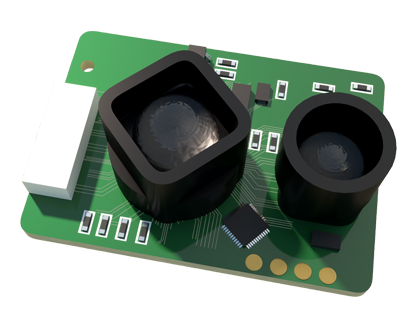
Despite their benefits, implementing laser sensors requires careful consideration of factors such as installation alignment, maintenance, and cost. Proper calibration is essential to avoid blind spots, and regular cleaning of lenses ensures optimal performance. While initial investment may be higher than conventional sensors, the long-term savings from reduced false alarms and enhanced security justify the expense. Industry trends indicate a growing adoption of AI-powered laser sensors that can analyze behavioral patterns, further minimizing risks. As technology advances, we can expect even smarter, more energy-efficient models that integrate seamlessly with smart city infrastructures.
In conclusion, access control laser sensors represent a significant leap forward in security technology. Their precision, adaptability, and integration capabilities make them indispensable for modern access control systems. For electrical engineers and security professionals, staying updated on these innovations is crucial for designing effective solutions. By leveraging laser sensor technology, organizations can achieve higher levels of protection, ensuring safety in an increasingly complex world. As the demand for robust security grows, laser sensors will continue to play a central role in shaping the future of access control.