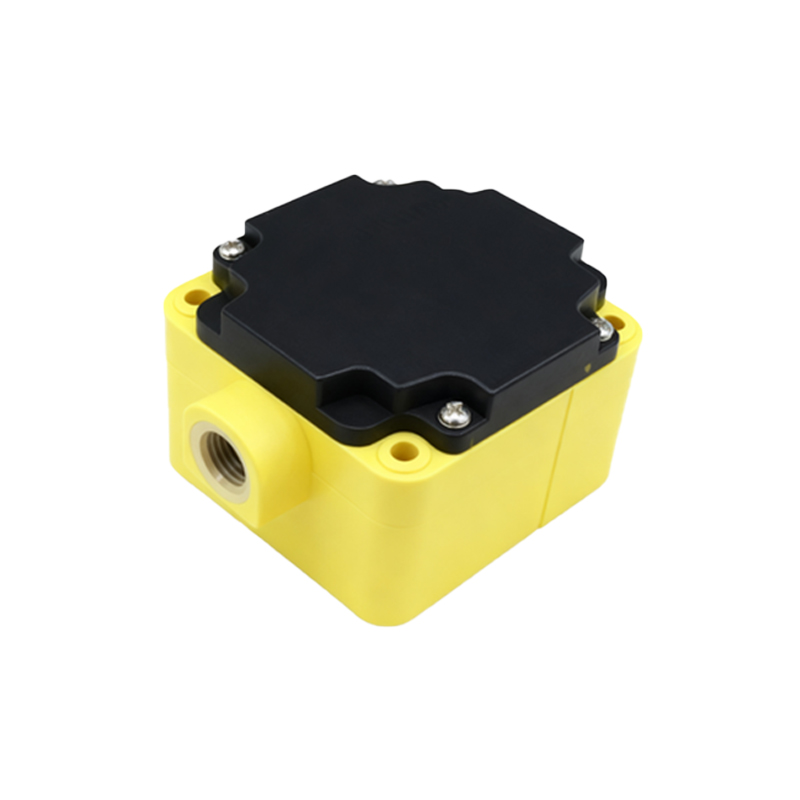
In the rapidly evolving landscape of industrial automation, proximity switches stand as critical components, enabling seamless and reliable detection in machinery and systems. As a seasoned electrical engineer specializing in sensor technology, I have witnessed firsthand the transformative impact of these devices. Proximity switches, often referred to as proximity sensors, are non-contact sensors that detect the presence or absence of objects within a specified range. Their applications span across manufacturing lines, automotive assembly, packaging systems, and robotics, where precision and durability are paramount.
The engineering behind proximity switches involves a deep understanding of electromagnetic fields, capacitive sensing, and inductive principles. Inductive proximity switches, for instance, generate an oscillating electromagnetic field to detect metallic objects, while capacitive variants can sense both metallic and non-metallic materials by measuring changes in capacitance. Each type demands meticulous design considerations, including sensing distance, environmental factors like temperature and humidity, and immunity to electrical noise. Engineers must select appropriate housing materials, such as stainless steel or PBT plastic, to ensure resilience against harsh industrial conditions, including exposure to oils, coolants, and mechanical vibrations.
A proximity switch engineer's role extends beyond mere selection and installation. It encompasses system integration, calibration, and troubleshooting to optimize performance. For example, in an automated conveyor system, engineers configure sensors to detect product placement, triggering subsequent actions like sorting or packaging. This requires programming PLCs (Programmable Logic Controllers) and interfacing with HMIs (Human-Machine Interfaces) to monitor sensor status in real-time. Advanced features, such as analog output or IO-Link communication, enable data exchange for predictive maintenance, reducing downtime and enhancing efficiency.
Innovation in this field is driven by the demand for smarter, more connected factories under Industry 4.0. Engineers are now developing proximity switches with embedded diagnostics and self-monitoring capabilities, allowing for proactive adjustments. Challenges include minimizing false triggers caused by electromagnetic interference or material variations, which necessitates rigorous testing and simulation. Collaboration with cross-functional teams—mechanical engineers, software developers, and quality assurance specialists—is essential to deliver robust solutions.
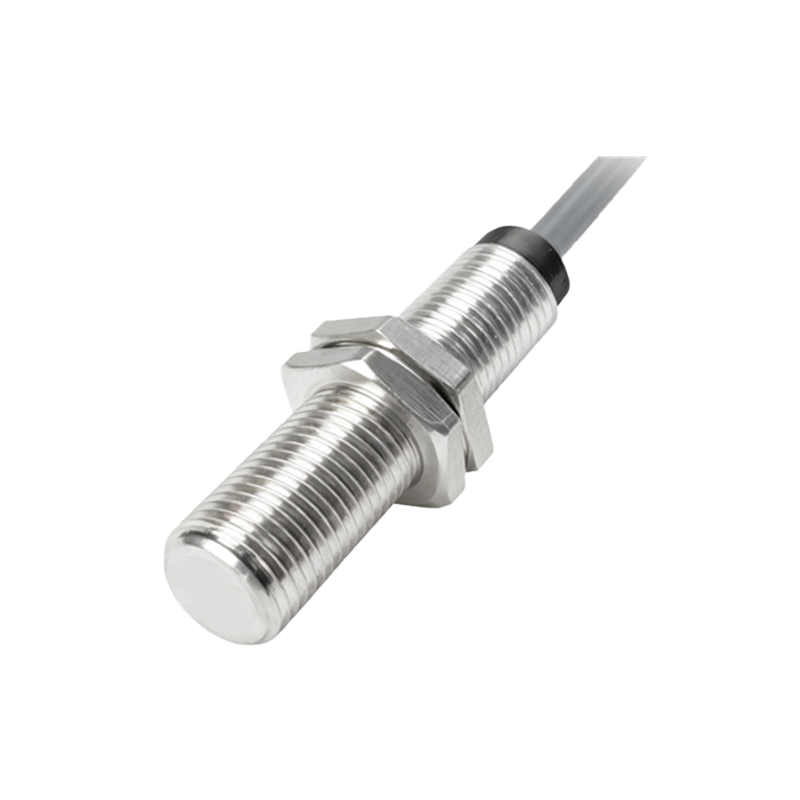
Looking ahead, the integration of IoT (Internet of Things) and AI (Artificial Intelligence) promises to revolutionize proximity sensing. Engineers will focus on enhancing sensor intelligence, enabling adaptive learning for complex environments. As automation expands into sectors like logistics and healthcare, the expertise of proximity switch engineers will remain indispensable, ensuring safety, reliability, and operational excellence.
In summary, proximity switch engineering is a dynamic discipline that blends theoretical knowledge with practical innovation. It demands continuous learning and adaptability, as engineers navigate technological advancements to meet industry needs. For those passionate about electrical systems and automation, this field offers a rewarding career path at the forefront of industrial progress.