In industrial automation and control systems, proximity sensors are the silent sentinels, providing critical non-contact detection of metallic or other target objects. Their reliability is paramount for process continuity, machine safety, and overall equipment effectiveness (OEE). A common and often perplexing issue faced by maintenance engineers and technicians is signal flickering or intermittent operation. This phenomenon, where the sensor output rapidly toggles between ON and OFF states despite a seemingly stable target, can lead to erratic machine behavior, false triggers, and costly downtime. Understanding the root causes is the first step toward effective resolution. This article delves into the primary technical reasons behind proximity sensor signal flickering, offering a systematic troubleshooting approach grounded in electrical engineering principles.
Electrical Noise and Electromagnetic Interference (EMI): This is arguably the most prevalent cause of signal instability in electrically noisy industrial environments. Proximity sensors, especially inductive types, can be susceptible to interference generated by high-power equipment. Sources include variable frequency drives (VFDs) controlling motors, welding machines, large solenoids, and even the switching of heavy inductive loads on the same power circuit. This EMI can be conducted through power lines or radiated through the air, inducing spurious voltages in the sensor's circuitry or its output wiring. The result is a corrupted signal that the PLC or controller interprets as rapid switching. Mitigation strategies involve proper grounding, using shielded cables with the shield grounded at only one end (typically the controller side), installing ferrite cores on sensor cables near the noise source, and ensuring adequate physical separation between sensor wiring and high-current power cables.
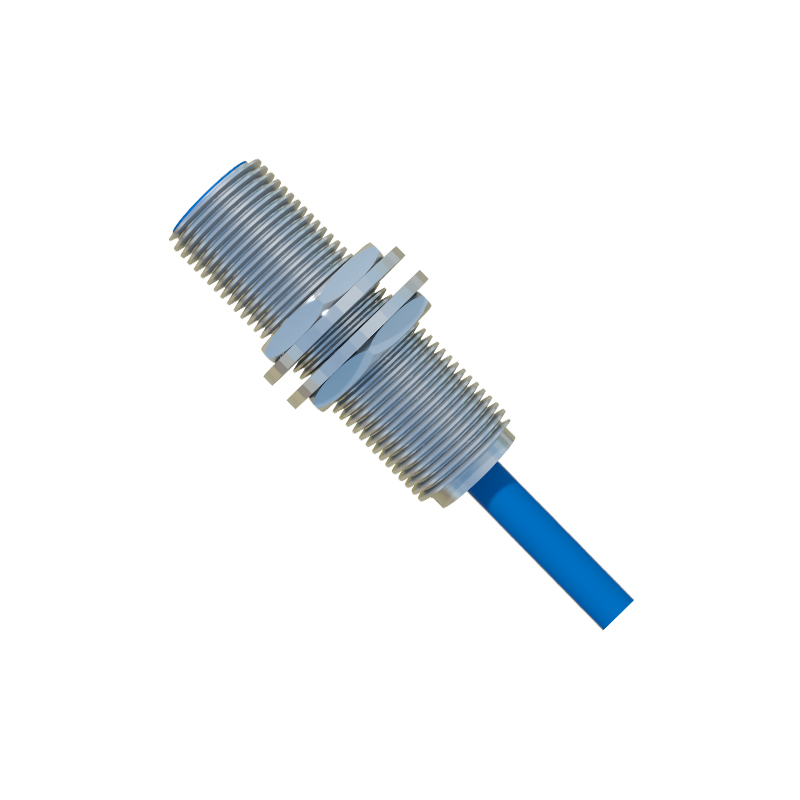
Insufficient or Unstable Power Supply: A proximity sensor requires a stable, clean DC voltage within its specified operating range (e.g., 10-30V DC). Voltage sags, ripple, or transients from an overloaded or failing power supply can directly cause output flickering. If the supply voltage dips below the sensor's minimum operating threshold, even momentarily, the output may drop out. Conversely, voltage spikes can cause internal circuitry to behave erratically. Use a digital multimeter or, better yet, an oscilloscope to monitor the supply voltage at the sensor terminals during operation. Look for any deviation from the nominal value. Ensure the power supply is adequately rated for the total load, including all sensors and other devices on the circuit.
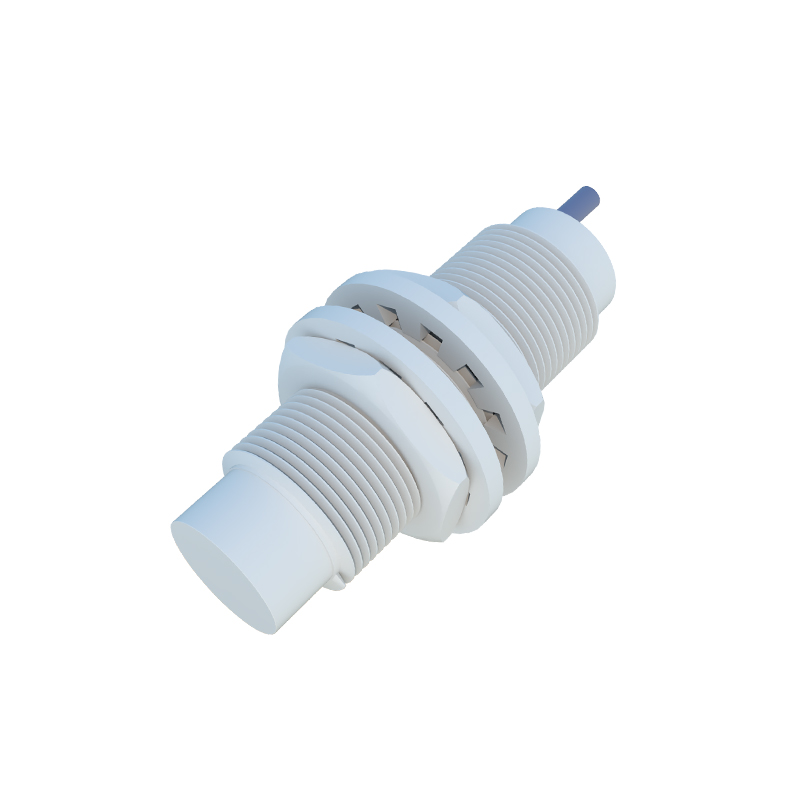
Marginal Sensing Distance and Target Issues: Every proximity sensor has a rated nominal sensing distance (Sn). Operating consistently at the absolute limit of this range leaves no margin for error. Minor vibrations, thermal expansion of machinery, or slight misalignment can cause the target to momentarily move in and out of the effective sensing window, causing flicker. The target itself must also be considered: it must be made of the correct material (ferrous for inductive sensors), be of sufficient size (should equal or exceed the sensor's face diameter), and approach the sensor head-on, not at an angle. For inductive sensors, different metals have different reduction factors; a stainless-steel target, for instance, will have a significantly shorter effective sensing distance than mild steel. Always derate the sensor's nominal range for non-standard targets and aim to operate at 70-80% of the rated distance for reliable operation.
Environmental Contaminants and Sensor Degradation: Industrial environments are harsh. Accumulation of metallic dust, chips, or conductive debris on the active face of an inductive proximity sensor can effectively "short" the sensing field, causing it to act as if a target is permanently present or to behave unpredictably. For capacitive sensors, buildup of non-conductive material like dust or grease can dampen the sensing field. Additionally, physical damage to the sensor housing or sensing face, moisture ingress, or prolonged exposure to extreme temperatures can degrade internal components. This degradation can manifest as a weakening oscillator circuit, leading to a reduced and unstable sensing range. Regular inspection and cleaning of sensor faces with a soft cloth are essential preventive measures.
Wiring and Connection Faults: Loose connections, corroded terminals, or damaged cable insulation are classic culprits for intermittent electrical faults. Vibration can cause a loose wire to make and break contact, simulating a flickering signal. Even within the sensor's own connector or internal potting, thermal cycling can lead to hairline cracks in solder joints. Methodically check all connections at the sensor, junction boxes, and the controller input module. Tug gently on wires while monitoring the output signal. For sensors with quick-disconnect cables, ensure the connector is fully seated and locked.
Load and Sink/Source Compatibility Issues: Exceeding the sensor's maximum output current rating can cause internal output transistor failure, often leading to erratic behavior before complete failure. Furthermore, incorrect wiring of the load relative to the sensor's output type (NPN sinking vs. PNP sourcing) can create an unstable circuit