In the realm of modern sensing technology, the green proximity sensor structure represents a significant advancement, merging environmental consciousness with high-performance detection capabilities. Unlike conventional sensors, this innovative design prioritizes sustainability without compromising on accuracy or reliability. At its core, the green proximity sensor structure integrates eco-friendly materials and energy-efficient components, reducing both its carbon footprint and operational costs. The fundamental architecture typically comprises a sensing element, signal processing unit, and output interface, all optimized for minimal environmental impact.
The sensing element, often based on infrared or capacitive technology, is crafted from recyclable or biodegradable materials. For instance, manufacturers are increasingly utilizing plant-based polymers and non-toxic composites for housings and internal supports. This not only decreases reliance on petroleum-based plastics but also enhances the sensor's end-of-life recyclability. The active detection component, such as an IR LED or capacitive plate, is designed for low power consumption, often operating at voltages below 3V. This energy-efficient approach extends battery life in portable devices and reduces overall energy demand in industrial setups.
Signal processing within the green proximity sensor structure leverages advanced microcontrollers with sleep modes and adaptive sampling rates. These processors dynamically adjust their activity based on proximity events, ensuring that power is only used when necessary. Additionally, the circuitry employs lead-free solders and halogen-free substrates, aligning with global regulations like RoHS and REACH. This attention to material safety prevents hazardous substances from leaching into ecosystems during disposal.
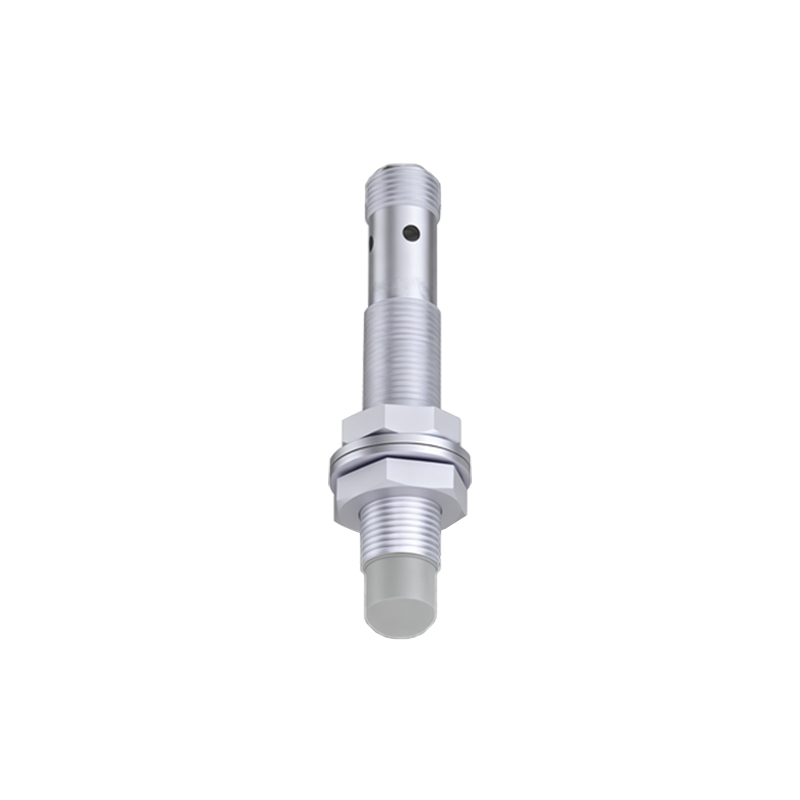
The output interface of these sensors supports digital protocols such as I2C or SPI, enabling seamless integration with other green technologies. For example, in smart building systems, green proximity sensors can trigger lighting or HVAC adjustments only when occupants are present, slashing energy waste by up to 30%. Their robust design often includes dust and moisture resistance, reducing the need for frequent replacements and thereby conserving resources.
From an application perspective, green proximity sensor structures are revolutionizing industries. In consumer electronics, they enable touchless controls in smartphones and tablets, promoting hygiene while saving power. Automotive sectors use them for automatic door activation and driver alertness monitoring, contributing to vehicle efficiency. In agriculture, these sensors monitor crop proximity in automated machinery, optimizing water and pesticide use to support sustainable farming.
Manufacturing processes for these sensors also emphasize sustainability. Many producers adopt solar-powered facilities and closed-loop water systems to minimize environmental harm. Lifecycle assessments are routinely conducted to identify areas for further improvement, such as reducing packaging waste or enhancing modularity for easier repairs. This holistic approach ensures that the sensor's green credentials extend from production to deployment and beyond.
Despite their benefits, challenges remain in scaling green proximity sensor structures. The cost of eco-friendly materials can be higher than traditional options, though this is offset by long-term savings in energy and maintenance. Research continues into novel materials like graphene-based composites, which offer superior conductivity and biodegradability. Standardization of green certifications across regions will also be crucial for widespread adoption.
In conclusion, the green proximity sensor structure embodies a forward-thinking fusion of technology and ecology. By prioritizing renewable materials, energy efficiency, and safe disposal, it sets a new standard for responsible innovation. As global industries strive for net-zero goals, such sensors will play a pivotal role in creating smarter, cleaner, and more sustainable environments. Their continued evolution promises not only enhanced performance but also a tangible positive impact on our planet's health.