Proximity sensors are a cornerstone of modern industrial automation, safety systems, and consumer electronics. Their ability to detect the presence or absence of an object without physical contact is fundamental. Among the various types, sensors designed to detect magnetic metals hold a special place due to their reliability, durability, and specific application advantages. This guide delves into the synergy between proximity sensors and magnetic metals, explaining the technology, its benefits, and key considerations for implementation.
The core technology enabling this detection is often based on the Hall effect or magnetostrictive principles, but for standard industrial proximity sensors, electromagnetic induction is most common. These sensors generate an oscillating electromagnetic field. When a magnetic metal object—such as iron, steel, nickel, or cobalt—enters this field, eddy currents are induced on the surface of the metal. These eddy currents create their own opposing magnetic field, which dampens the oscillation in the sensor's coil. The sensor's internal circuitry detects this change in oscillation amplitude or frequency and triggers a solid-state switch, signaling the object's presence.
The term "magnetic metal" is crucial here. Ferromagnetic materials are highly responsive because their high magnetic permeability allows for strong interaction with the sensor's field. This results in a longer sensing range and more stable detection compared to non-magnetic metals like aluminum, brass, or copper, which may require specialized sensors. For instance, a standard inductive proximity sensor might detect a mild steel target at 10mm, but the sensing distance for aluminum could be reduced by 50-60%. Therefore, knowing the target material's properties is the first step in sensor selection.
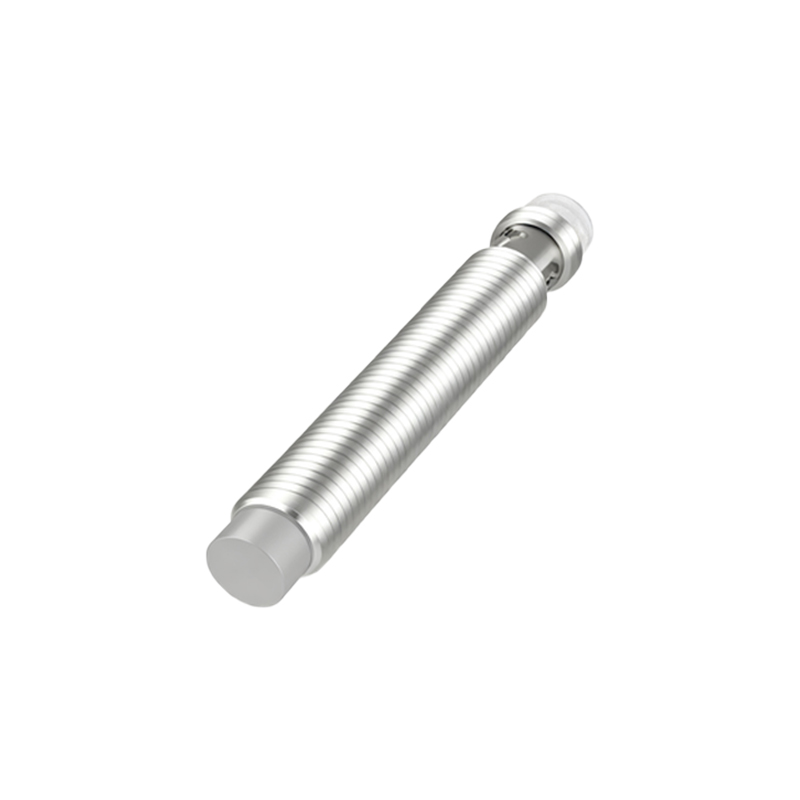
The advantages of using proximity sensors for magnetic metal detection are numerous. First is their exceptional robustness. With no moving parts and often housed in sealed, rugged bodies (commonly in stainless steel or nickel-plated brass), they are immune to wear and tear, dust, oil, and moisture, making them ideal for harsh factory environments. Second, they offer high switching speeds, capable of detecting thousands of operations per minute, which is essential for high-speed counting, positioning on conveyor belts, or monitoring rotational speed of gear teeth. Third, their operation is not affected by the surface color, transparency, or cleanliness of the target, focusing solely on its metallic and magnetic properties.
Typical applications are widespread across industries. In automotive manufacturing, they verify the presence of engine blocks or pistons. In machine tools, they serve as end-position limit switches for hydraulic cylinders or confirm the closed position of safety guards. They are integral to material handling for detecting metal pallets and in packaging for counting metal cans. A specific use case is in cylinder position sensing, where a sensor detects a small permanent magnet embedded in the piston, providing a contactless feedback solution.
However, successful integration requires careful consideration of several factors. The sensing distance specified in datasheets is for a standard mild steel target. This "rated operating distance" must be derated for other materials. The hysteresis—the difference between the switch-on and switch-off points—prevents chatter when a target is at the edge of the detection zone. Embedding the sensor in metal (flush mounting) reduces its effective range, while non-flush mounting allows for a longer range but requires more space. Environmental factors like extreme temperatures, strong external magnetic fields from motors or welders, and electrical noise can influence performance. Shielding and proper cable routing are essential in electrically noisy environments.
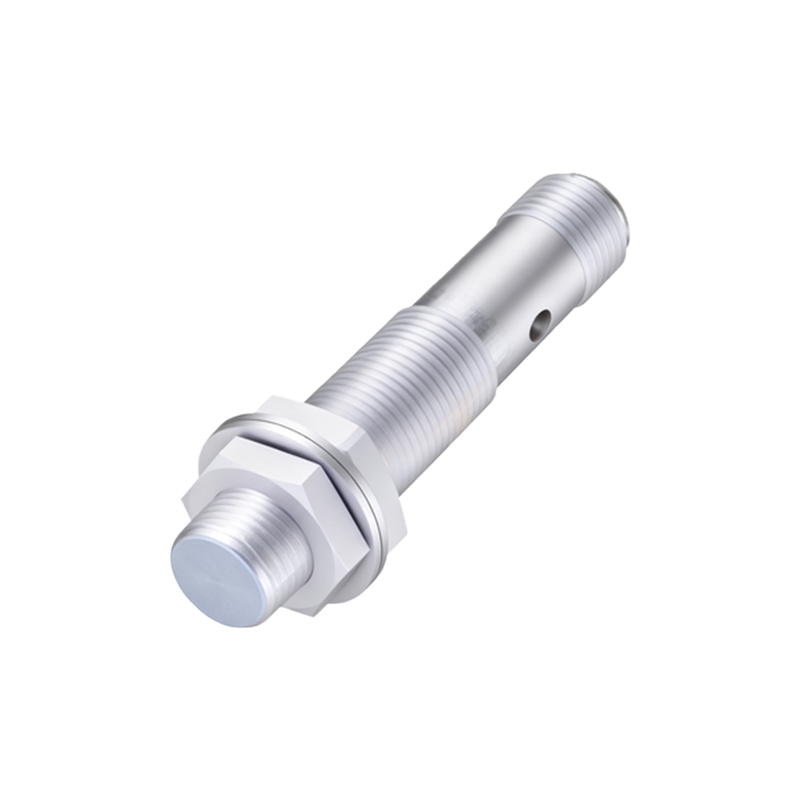
Furthermore, not all sensors are created equal. While standard inductive sensors detect any metal, some are specifically "ferrous-only" or optimized for magnetic metals, offering better immunity to interference from adjacent non-magnetic metals or allowing for tighter installation. The choice between AC and DC power, normally-open or normally-closed output, and connection type (2-wire, 3-wire, or 4-wire) depends on the control circuit design.
In conclusion, the combination of proximity sensor technology and magnetic metal targets forms a highly efficient, reliable, and maintenance-free detection solution. Its effectiveness hinges on a clear understanding of the target material's properties, the operating environment, and the precise sensor specifications. By selecting the correct sensor for the specific magnetic metal application, engineers can build systems that ensure precision, enhance safety, and boost productivity with unwavering consistency. As automation advances, this fundamental sensing partnership will continue to be a critical enabler of intelligent machine operation.