Methane laser sensors represent a critical technology for continuous monitoring and leak detection across various industries, including oil and gas production, wastewater treatment, coal mining, and landfill management. Their operational lifespan is a paramount consideration for system reliability, maintenance scheduling, and total cost of ownership. Unlike traditional catalytic bead or electrochemical sensors, laser-based sensors, specifically Tunable Diode Laser Absorption Spectroscopy (TDLAS) sensors, offer non-contact measurement and are not subject to chemical poisoning or saturation. However, their longevity is influenced by a distinct set of factors.
The core component determining lifespan in a methane laser sensor is the laser diode itself. These diodes are semiconductor devices that emit infrared light at a specific wavelength tuned to a methane absorption line. The primary aging mechanism is gradual degradation of the semiconductor material, which leads to a decrease in optical output power over time. This degradation is accelerated by operational stress, primarily high operating temperatures and high drive currents. Manufacturers typically specify laser diode lifetime in terms of mean time between failures (MTBF), often ranging from 50,000 to over 100,000 hours of continuous operation under defined conditions. It is crucial to note that "failure" here often means a reduction in output power below a usable threshold, not a complete cessation of function.
Beyond the laser diode, the photodetector is another key optical component. While generally more robust than the laser, detectors can also experience performance drift or damage from excessive optical power or environmental contaminants. The integrity of the optical path—including windows, lenses, and mirrors—is vital. Accumulation of dust, dirt, chemical films, or condensation on optical surfaces can attenuate the laser signal, leading to measurement errors that may be misinterpreted as sensor failure. In open-path sensors, this environmental fouling is the most significant lifespan-limiting factor.
Environmental operating conditions profoundly impact sensor longevity. Extreme temperatures, both high and low, can stress electronic and optical components. High humidity can lead to internal condensation and corrosion of electrical contacts. The presence of corrosive gases (e.g., H2S, high concentrations of SO2) can attack sensor housings, seals, and optical windows. Vibration and mechanical shock, common in industrial and mining settings, can misalign sensitive optical components or cause solder joint failures. Therefore, the sensor's enclosure rating (e.g., IP67, NEMA 4X) and its design for specific hazardous area classifications (e.g., ATEX, IECEx) are indirect but critical factors for ensuring the internal components reach their potential lifespan.
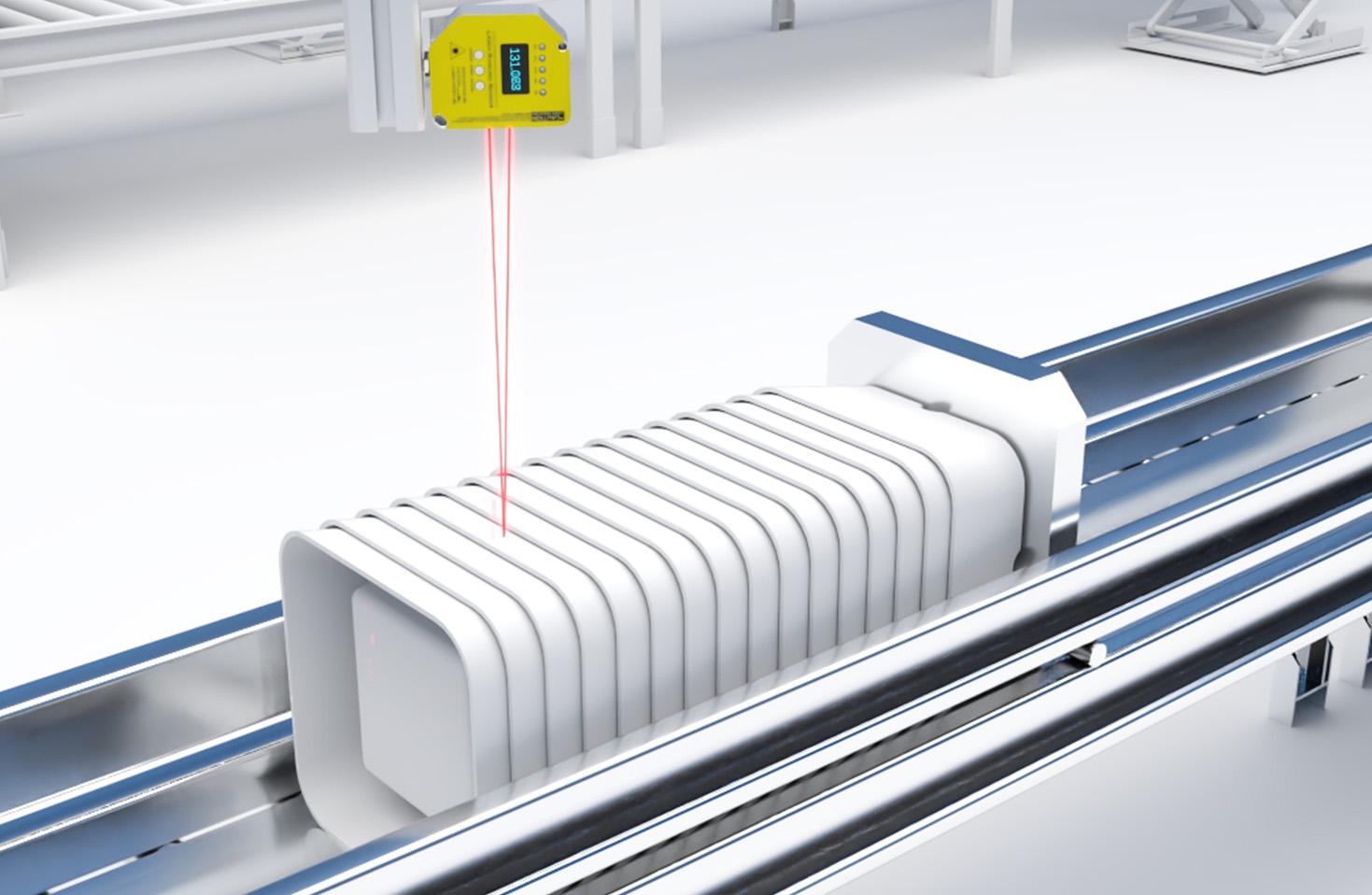
Electronic subsystems, including power supplies, signal processing circuits, and communication modules, also have their own reliability profiles. Capacitors, voltage regulators, and connectors can fail over time, especially when subjected to power surges or thermal cycling. Robust design with high-quality, industrial-grade components is essential for long-term field performance.
To maximize the operational lifespan of a methane laser sensor, several best practices should be followed. First, adhere strictly to the manufacturer's specified operating ranges for temperature, humidity, and supply voltage. Implement proper installation to minimize exposure to direct vibration, water ingress, and excessive ambient heat. For in-situ sensors, regular maintenance is non-negotiable. This includes scheduled cleaning of optical windows or lenses using appropriate methods to prevent scratching. Many modern sensors feature built-in diagnostics that monitor laser power, detector signal, and internal temperature, providing early warnings of performance degradation. Implementing a predictive maintenance schedule based on this diagnostic data, rather than a fixed calendar interval, is the most effective strategy.
Furthermore, system design can enhance longevity. Using purge systems with clean, dry air or nitrogen can keep optical paths clear in dusty environments. Installing protective shrouds or sunshades can reduce solar heating. Ensuring stable, clean power through the use of uninterruptible power supplies (UPS) or surge protectors safeguards the electronics.
In conclusion, the lifespan of a methane laser sensor is not a single number but a system-level characteristic dependent on the interplay of component quality, environmental stress, and maintenance rigor. While the laser diode has a finite operational life often exceeding a decade, the practical field lifespan is usually determined by the harshest environmental challenge it faces. By understanding these factors—optical component aging, environmental resilience, and electronic reliability—operators can select the right sensor for their application and implement practices that ensure years of accurate, reliable service, thereby safeguarding assets, personnel, and the environment.