Proximity sensors, the silent workhorses of automation and countless electronic devices, come in a vast range of prices that can perplex buyers. Understanding the factors that influence proximity sensor pricing is crucial for making an informed purchasing decision, whether for a single prototype or a large-scale industrial installation. The cost is rarely a simple figure; it's a composite of technology, performance, and application requirements.
At the core of the price is the sensing technology. Inductive sensors, designed to detect metallic objects, are generally among the most cost-effective options, with basic shielded models starting at a very accessible point. Capacitive sensors, which can detect both metallic and non-metallic materials like liquids or plastics, typically carry a slightly higher price tag due to their more complex circuitry. Ultrasonic sensors, offering longer ranges and the ability to detect a wide variety of objects regardless of color or material, command a premium. The most significant price jump is seen with photoelectric sensors, especially those employing advanced laser or background suppression technologies for precise detection at greater distances or in challenging environments.
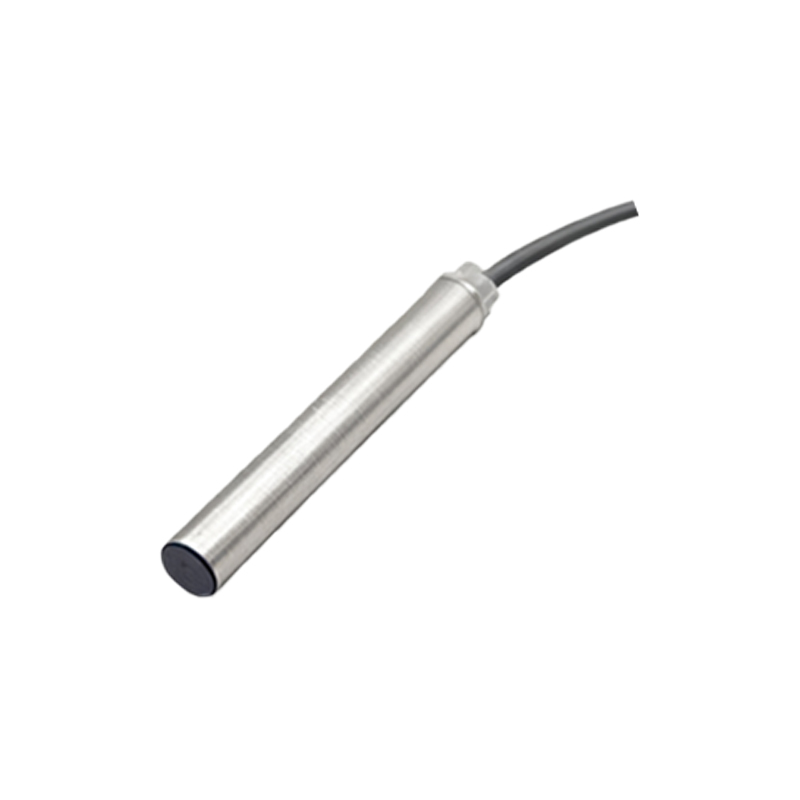
Beyond the core technology, performance specifications directly impact cost. Sensing range is a primary driver; a sensor with a 2mm range is substantially cheaper than one rated for 20mm or 2 meters. The required precision and repeatability also play a role. High-resolution analog sensors or those with exceptional repeat accuracy for precision assembly robots cost more than standard on/off binary sensors. Environmental ratings are another critical factor. A standard IP67-rated sensor (dust-tight and protected against temporary immersion) is common, but sensors designed for extreme conditions—such as those with high chemical resistance, ability to withstand intense washdowns (IP69K), or function in extreme temperatures—require specialized housing and seals, increasing manufacturing costs significantly.
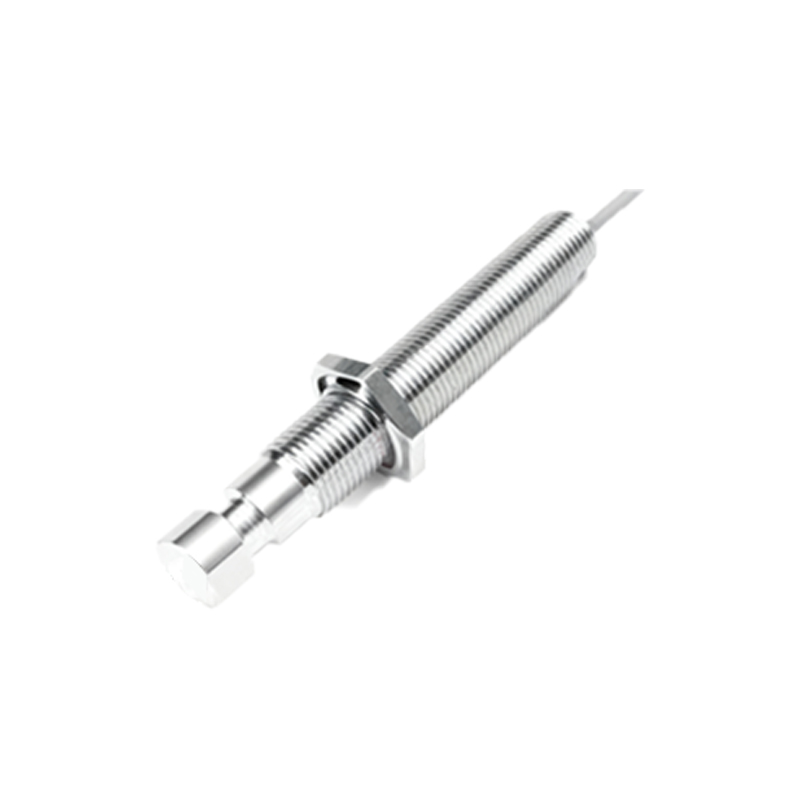
Form factor and housing material contribute to the price. Small, cylindrical M8 or M12 sensors are typically less expensive than larger rectangular or custom-shaped housings. Stainless steel housings, necessary for food, beverage, or corrosive industrial settings, are more costly than nickel-plated brass or PBT plastic housings. Additionally, the type of electrical output and connection matters. A simple 2-wire DC sensor is often more economical than a 3-wire or 4-wire version offering separate NPN/PNP outputs or analog current/voltage signals. Pre-wired connectors add convenience but also add to the unit price compared to sensors with flying leads.
The market context and purchase volume are equally important. Brand reputation and associated reliability, warranty, and technical support influence price. Established global brands often price their sensors higher than smaller regional manufacturers or generic suppliers, reflecting years of R&D and proven field performance. However, for standard applications, reputable second-tier brands can offer excellent value. Economies of scale are profound in this industry. The unit price for a single sensor purchased from a distributor may be 50-100% higher than the negotiated price for a bulk order of 500 or 1000 units directly from the manufacturer or a large system integrator.
Current market trends also subtly affect pricing. The increasing integration of IO-Link communication, which allows for parameter setting, process data monitoring, and advanced diagnostics, adds a cost increment but is becoming a standard expectation in Industry 4.0 setups. Conversely, the proliferation of manufacturers, especially in the global market, has increased competition, putting downward pressure on prices for standard sensor types.
In summary, there is no single "proximity sensor price." A basic inductive sensor might be surprisingly inexpensive, while a specialized long-range, laser-based, analog-output sensor in a stainless steel housing for a pharmaceutical application will represent a significant investment. The key is to precisely define the application requirements: what needs to be detected, at what range, in what environment, and with what level of speed and accuracy. By aligning specifications with needs and considering total cost of ownership—including reliability and maintenance—buyers can navigate the price spectrum effectively and select the optimal sensor that delivers true value for their specific application.