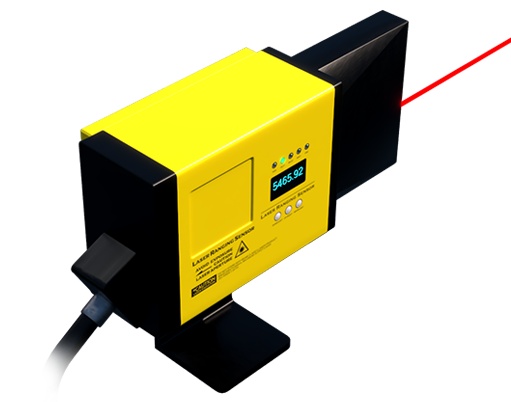
Fiber laser smart sensors represent a transformative advancement in industrial sensing technology, leveraging the unique properties of optical fibers to deliver unprecedented precision, reliability, and adaptability. These sensors utilize laser light transmitted through fiber-optic cables to measure parameters such as temperature, pressure, strain, vibration, and chemical composition with exceptional accuracy. Unlike traditional electronic sensors, fiber laser sensors are immune to electromagnetic interference, capable of operating in harsh environments including high temperatures, corrosive atmospheres, and explosive areas, making them ideal for sectors like oil and gas, aerospace, manufacturing, and structural health monitoring.
The core mechanism involves embedding fiber Bragg gratings (FBGs) or employing distributed sensing techniques along the fiber. FBGs act as wavelength-specific reflectors, where changes in physical conditions alter the reflected light's wavelength, enabling precise measurement of strain or temperature shifts. Distributed sensors, on the other hand, use scattering effects like Rayleigh or Raman scattering to monitor conditions continuously along the entire fiber length, providing real-time data over vast areas—up to kilometers—without the need for multiple discrete sensors. This capability is particularly valuable for pipeline monitoring, power grid surveillance, and bridge integrity assessments, where early detection of anomalies can prevent catastrophic failures.
Recent innovations have integrated artificial intelligence and IoT connectivity, elevating these sensors to "smart" status. AI algorithms analyze sensor data streams to predict maintenance needs, optimize processes, and identify patterns indicative of potential faults. For instance, in smart manufacturing, fiber laser sensors embedded in machinery can detect minute vibrations or thermal changes, signaling wear before breakdowns occur, thus reducing downtime and maintenance costs. In environmental monitoring, they track pollutant levels or structural deformations with high sensitivity, supporting sustainability initiatives.
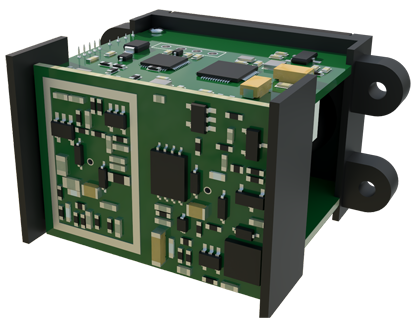
The advantages of fiber laser smart sensors extend beyond durability and precision. They offer multiplexing capabilities, allowing multiple sensing points on a single fiber, which simplifies installation and reduces system complexity. Their small size and flexibility enable integration into composite materials or tight spaces, fostering applications in wearable health devices or autonomous vehicle systems. However, challenges remain, including higher initial costs compared to conventional sensors and the need for specialized expertise in deployment and data interpretation. Ongoing research focuses on cost reduction, enhancing data processing speeds, and expanding measurable parameters to include biochemical agents for medical or security uses.

As industries embrace digital transformation and Industry 4.0, the demand for intelligent, robust sensing solutions grows. Fiber laser smart sensors are poised to play a pivotal role, driving efficiency, safety, and innovation. By combining optical engineering with smart analytics, they not only improve operational performance but also open new frontiers in real-time monitoring and predictive analytics, ultimately contributing to safer, more sustainable industrial practices worldwide.