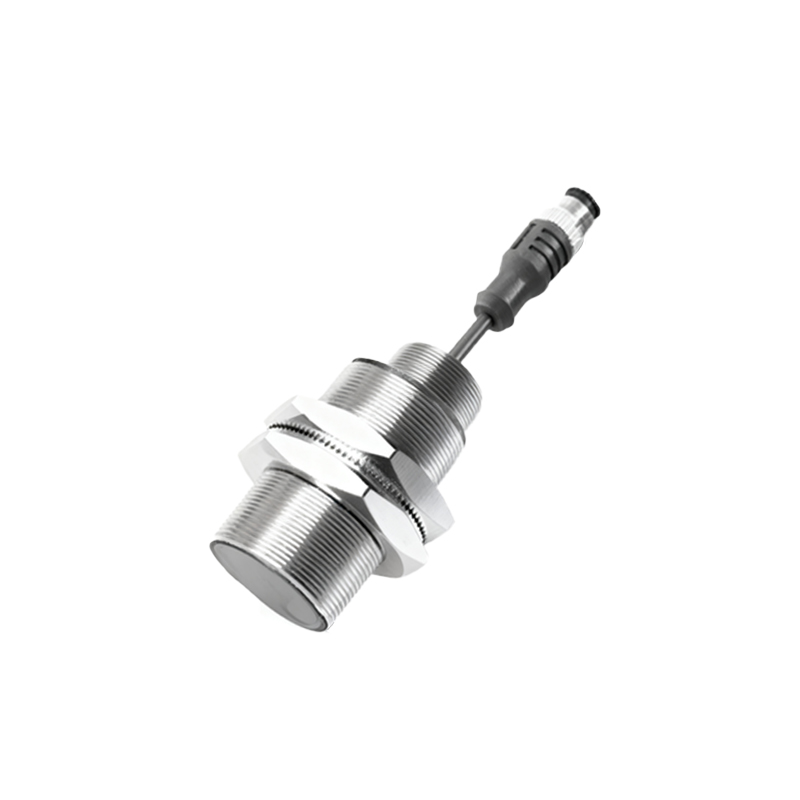
In the realm of electronics manufacturing, precision and reliability are paramount. Among the critical components ensuring the seamless operation of automated assembly lines, proximity switch sensors used in peak wave soldering machines stand out for their vital role. These sensors are non-contact devices designed to detect the presence or absence of objects—typically printed circuit boards (PCBs)—as they move through the soldering process. Their function is crucial for maintaining proper alignment, timing, and quality control during soldering, ultimately impacting the integrity of electronic assemblies.
Peak wave soldering, a widely adopted technique for through-hole component soldering, involves passing PCBs over a molten solder wave. The process demands exact positioning to ensure that solder joints are formed correctly without defects such as bridging or insufficient wetting. Proximity sensors, often inductive or capacitive types, are strategically installed along the conveyor system. Inductive sensors are commonly used for detecting metallic objects like PCB carriers or fixtures, leveraging electromagnetic fields to sense ferrous and non-ferrous metals without physical contact. Capacitive sensors, on the other hand, can detect both metallic and non-metallic materials, making them versatile for various PCB materials or composite carriers.
The operational principle of these sensors revolves around generating an oscillating electromagnetic field. When a target object enters this field, it causes a change in oscillation amplitude or frequency, which the sensor detects and converts into an electrical signal. This signal is then transmitted to the machine's control system, triggering actions such as starting or stopping the conveyor, activating the solder wave, or initiating inspection sequences. For instance, as a PCB approaches the soldering zone, a proximity sensor ensures it is correctly aligned before the wave engages, preventing mis-soldering that could lead to costly rework or failures.
In practice, selecting the right proximity sensor for a peak wave soldering application involves several considerations. Environmental factors are critical, as soldering areas are exposed to high temperatures, flux vapors, and occasional solder splashes. Sensors must be rated for high-temperature resistance, typically with housing materials like PTFE or stainless steel, and possess ingress protection (IP) ratings to withstand dust and moisture. Additionally, response time is essential; fast-switching sensors enable high-speed production lines without bottlenecks. Sensing range and repeat accuracy also play a role, as even minor deviations can affect soldering quality. Modern sensors often feature adjustable sensitivity and built-in diagnostics, allowing engineers to fine-tune performance and monitor health in real-time.
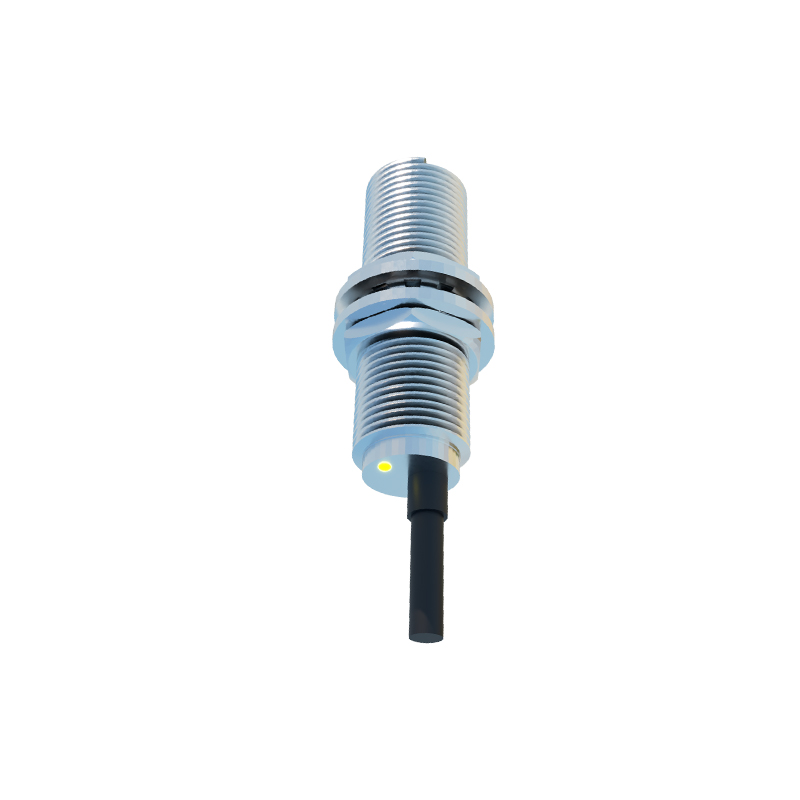
Integration with Industry 4.0 and smart manufacturing trends has further enhanced the utility of these sensors. Many proximity switches now come with IO-Link or Ethernet connectivity, enabling data exchange with central control systems for predictive maintenance and process optimization. For example, by analyzing sensor data, manufacturers can detect wear or contamination early, schedule maintenance during downtime, and reduce unplanned stoppages. This connectivity also facilitates adaptive control, where sensor feedback adjusts soldering parameters in real-time based on PCB variations, ensuring consistent quality across batches.
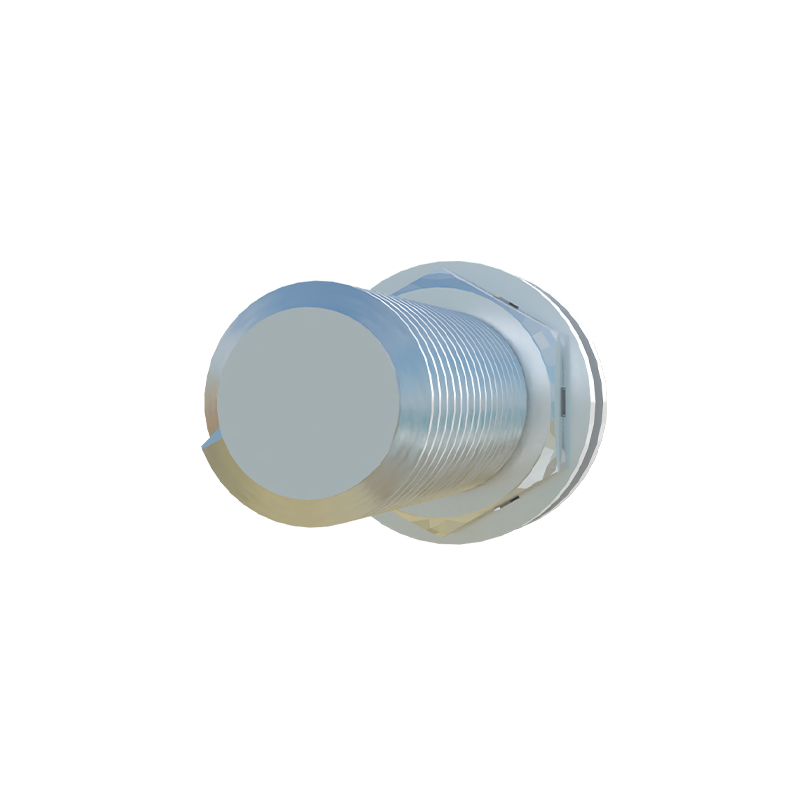
Despite their robustness, challenges persist. Sensor fouling from flux residues or thermal drift over time can lead to false triggers or detection failures. Regular calibration and cleaning are necessary, but advancements in self-cleaning designs and drift compensation circuits have mitigated these issues. Moreover, as PCBs become smaller and more complex, with denser component layouts, sensors must offer higher precision and smaller form factors to fit into tight spaces without interfering with the soldering process.
In conclusion, proximity switch sensors are indispensable in peak wave soldering operations, bridging the gap between mechanical movement and electronic control. Their ability to provide reliable, non-contact detection under harsh conditions ensures efficient production and high-quality solder joints. As electronics manufacturing evolves toward greater automation and miniaturization, ongoing innovations in sensor technology—such as enhanced materials, smarter interfaces, and improved durability—will continue to drive improvements in soldering accuracy and overall line productivity. Engineers and technicians should prioritize regular evaluation and upgrading of these components to keep pace with industry demands and maintain competitive advantage.