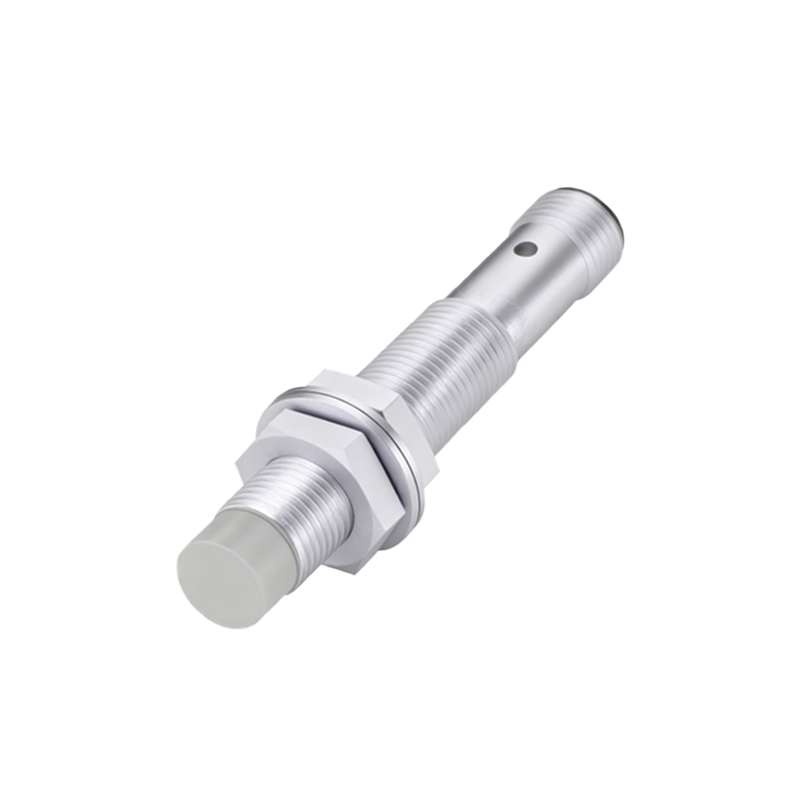
In the intricate world of industrial automation and machinery, the reliability of components is paramount. Among these critical components, the ring proximity sensor stands out for its non-contact detection capabilities, often used for precise object counting, position sensing, and speed monitoring in applications ranging from packaging lines to CNC machinery. For many companies, especially those integrating these sensors into larger systems or developing branded products, partnering with a specialized ring proximity sensor OEM (Original Equipment Manufacturer) or ODM (Original Design Manufacturer) factory is a strategic decision. This article delves into the role of these factories, the manufacturing process, and key considerations for selecting a partner.
The core function of a ring proximity sensor is to detect the presence or absence of a metallic object (typically ferrous) passing through its aperture without physical contact. It operates on the principle of electromagnetic induction. The sensor generates an oscillating electromagnetic field from a coil wound around its ring core. When a metal object enters this field, eddy currents are induced on the object's surface, causing a change in the oscillation amplitude or frequency. This change is detected by the sensor's circuitry, which then triggers a solid-state output signal. This design allows for high-speed, wear-free operation in demanding environments.
An OEM/ODM factory specializing in these sensors offers more than just assembly. A full-service partner provides comprehensive capabilities. The journey begins with design and engineering. ODM services are crucial here, where the factory collaborates with the client or utilizes its in-house R&D to design a sensor tailored to specific parameters: aperture size, sensing distance, output type (NPN/PNP, NO/NC), housing material (often PBT or stainless steel for robustness), and environmental ratings (IP67 for dust and water resistance is common). Electrical characteristics like supply voltage (10-30V DC standard) and load current are meticulously defined. For OEM projects, the client provides the design, and the factory executes precise manufacturing.
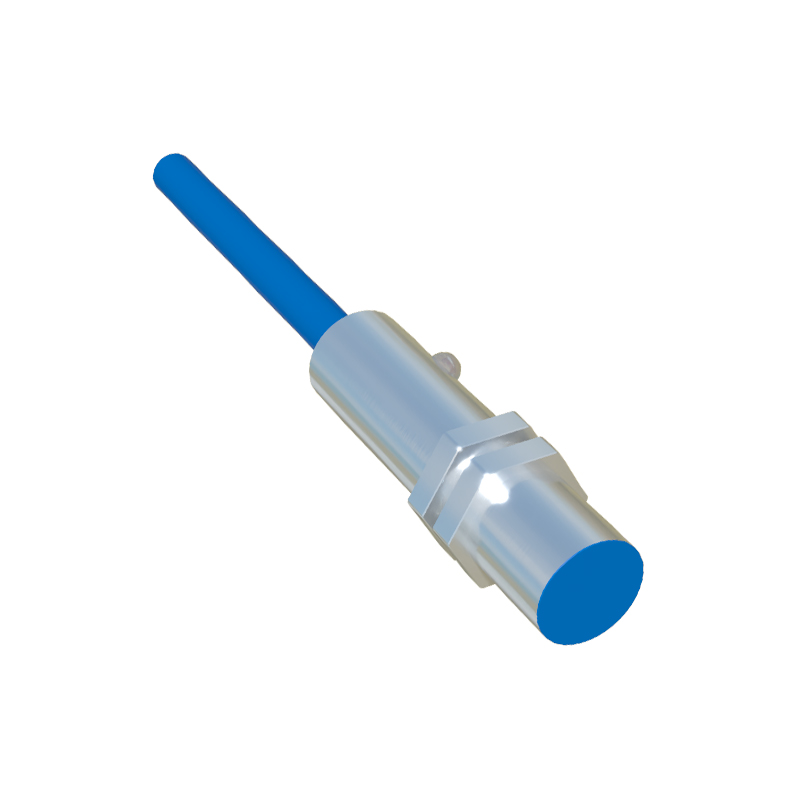
The manufacturing process is a blend of precision engineering and stringent quality control. It starts with the procurement of high-grade raw materials—copper wire for coils, ferrite cores, electronic components for the oscillator and amplifier circuits, and durable thermoplastic or metal for housings. The coil winding is a critical step, requiring automated machinery to ensure consistent turns and tight tolerances, which directly affect sensing performance. The electronic assembly involves populating printed circuit boards (PCBs) with SMT (Surface Mount Technology) components, followed by soldering and conformal coating for protection against moisture and contaminants.
The assembly phase integrates the coil assembly, PCB, and housing. Potting compounds are often used to secure internal components and enhance resistance to vibration and shock. Calibration is perhaps the most vital step post-assembly. Each sensor must be calibrated to ensure its switching point is accurate and repeatable for the specified target material and distance. This is done using standardized test fixtures. Finally, a battery of quality tests is performed, including functional testing, temperature cycling, humidity tests, and electrical parameter verification. Reputable factories adhere to international quality standards like ISO 9001 and may have products certified for specific industry norms.
Choosing the right ring proximity sensor factory is a decision that impacts product quality, supply chain stability, and ultimately, the performance of the end-user's machinery. Key evaluation criteria include technical expertise and R&D strength. A factory with a deep understanding of electromagnetic theory and application challenges can be a valuable problem-solving partner. Manufacturing capability and capacity are equally important; assess their production lines, automation level, and ability to scale for volume orders without compromising quality. A proven track record, evidenced by case studies or client testimonials in relevant industries like automotive, material handling, or food and beverage, is a strong indicator of reliability. Finally, consider their support for customization, prototyping speed, communication efficiency, and logistical support.
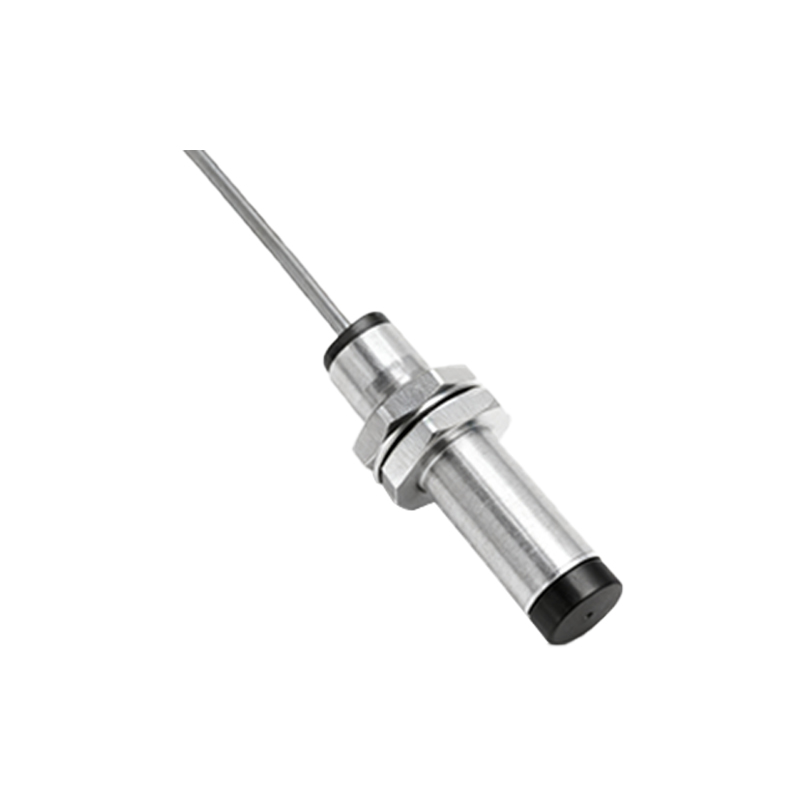
In conclusion, a ring proximity sensor OEM/ODM factory is an extension of your engineering team. They transform design concepts into reliable, high-performance industrial components. By focusing on partners with robust engineering support, rigorous manufacturing processes, and a commitment to quality, companies can secure a critical link in their supply chain, ensuring the sensors integral to their automation systems perform flawlessly day in and day out. The partnership goes beyond transaction; it's a collaboration built on precision, trust, and shared goals for innovation and reliability in the industrial landscape.