Pressure proximity sensors are a type of non-contact sensing device that detects the presence or absence of an object by measuring changes in air pressure. Unlike optical or capacitive sensors, these devices rely on pneumatic principles, making them highly reliable in environments where dust, moisture, or varying light conditions could interfere with other sensor types. The core mechanism involves an emitter that releases a controlled stream of air and a receiver that monitors the pressure level. When an object enters the sensing range, it disrupts the airflow, causing a detectable pressure change at the receiver. This change is then converted into an electrical signal, triggering an output such as a switch or a data readout.
One of the standout features of pressure proximity sensors is their robustness. Since they have no moving mechanical parts in direct contact with targets, wear and tear are minimized. This design extends operational lifespan and reduces maintenance needs. Additionally, the sensing medium—air—is inherently safe and clean, making these sensors suitable for sterile or explosive atmospheres where electronic components might pose risks. Industries like food and beverage processing, pharmaceutical manufacturing, and chemical handling often prefer pressure-based systems for these reasons.
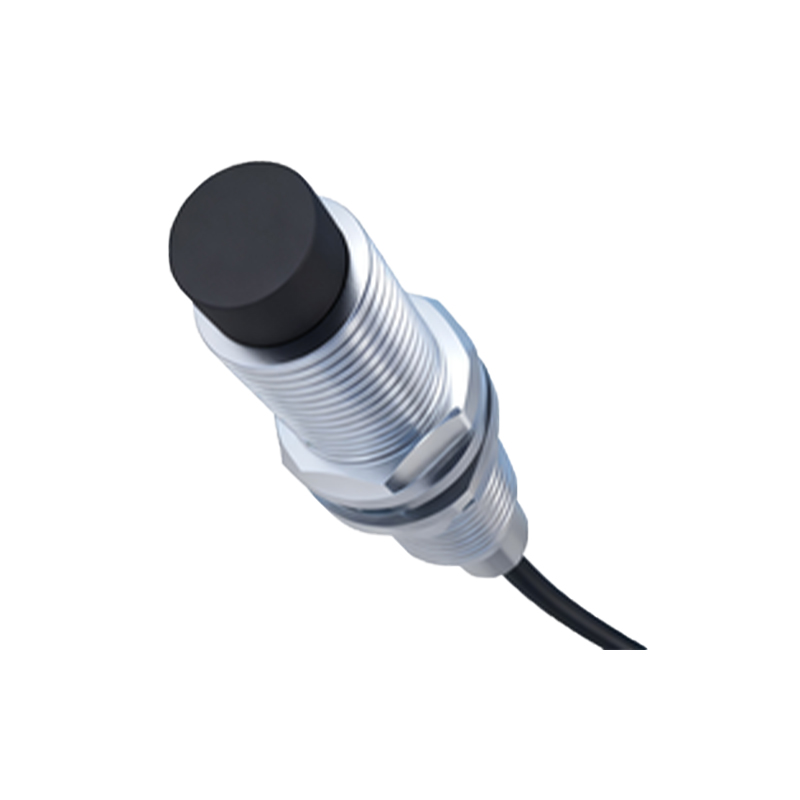
The applications of pressure proximity sensors are diverse. In automated assembly lines, they verify the placement of components on conveyor belts without physical touch, preventing product damage. In packaging machinery, they detect whether bottles or containers are correctly positioned for filling and capping. Another common use is in material handling, where sensors monitor the presence of objects in bins or hoppers, ensuring continuous supply without jams. Beyond industrial settings, they appear in medical devices, such as respiratory equipment, to monitor airflow and detect blockages.
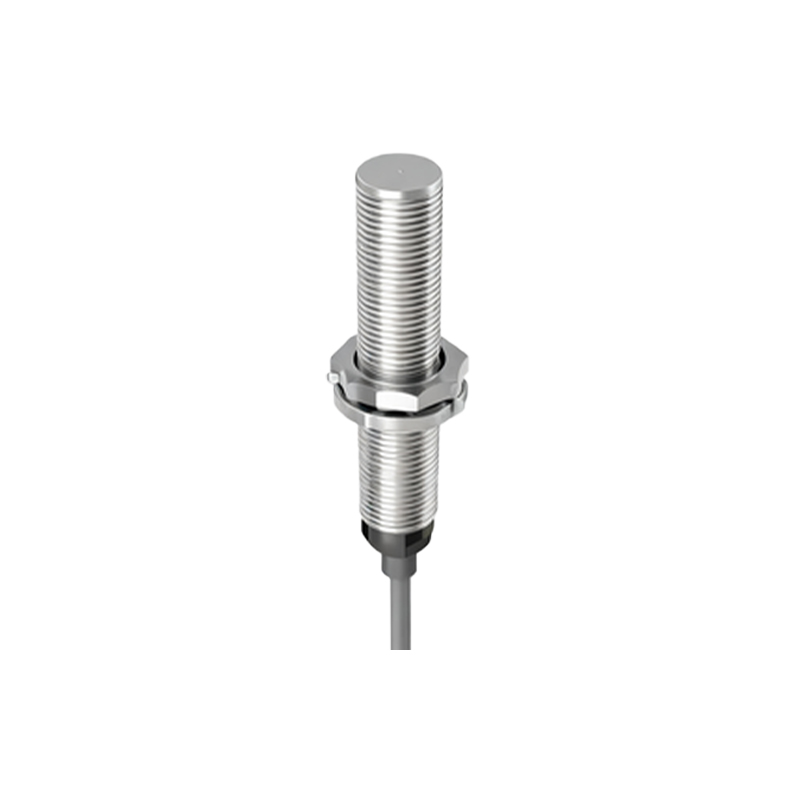
Selecting the right pressure proximity sensor involves considering factors like sensing distance, response time, and environmental conditions. Typical sensing ranges vary from a few millimeters to several centimeters, with higher sensitivity models capable of detecting even lightweight or porous materials. Response times are generally fast, often in the millisecond range, which is sufficient for high-speed automation. It is also crucial to match the sensor’s pressure rating and air supply requirements with the available system infrastructure.
Installation and calibration are straightforward. Most sensors include adjustable settings for sensitivity and output type (e.g., digital or analog). Proper alignment between the emitter and receiver is essential for accurate detection, and regular checks for air leaks or nozzle blockages help maintain performance. Modern versions may integrate with IoT platforms, enabling remote monitoring and predictive maintenance through data analytics.
Despite their advantages, pressure proximity sensors have limitations. They require a clean, stable air supply, which can add complexity to system setup. External factors like strong drafts or temperature fluctuations might affect readings if not accounted for. However, with proper design and shielding, these issues can be mitigated.
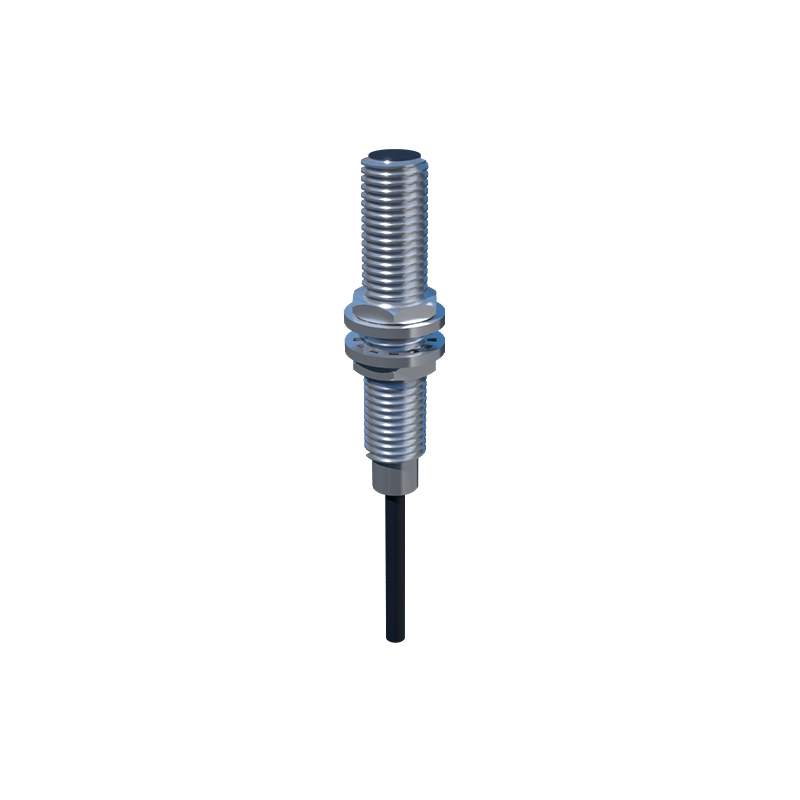
In summary, pressure proximity sensors offer a unique blend of durability, safety, and versatility. Their ability to perform reliably in challenging conditions makes them a valuable tool across multiple sectors. As automation and smart manufacturing advance, the role of these sensors is likely to expand, driven by innovations in miniaturization and connectivity. Understanding their working principles and applications helps engineers and technicians make informed choices for efficient, resilient system design.