In the ever-evolving landscape of cinema, technology has consistently served as both a tool and a muse. One of the more subtle yet profoundly impactful technological integrations in recent years is the conceptual and practical use of proximity sensors. While not a formal genre, "proximity sensor movies" represent a fascinating trend where narratives are deeply intertwined with themes of distance, presence, intrusion, and connection—concepts central to how these electronic devices operate. This intersection is reshaping how stories are told and experienced.
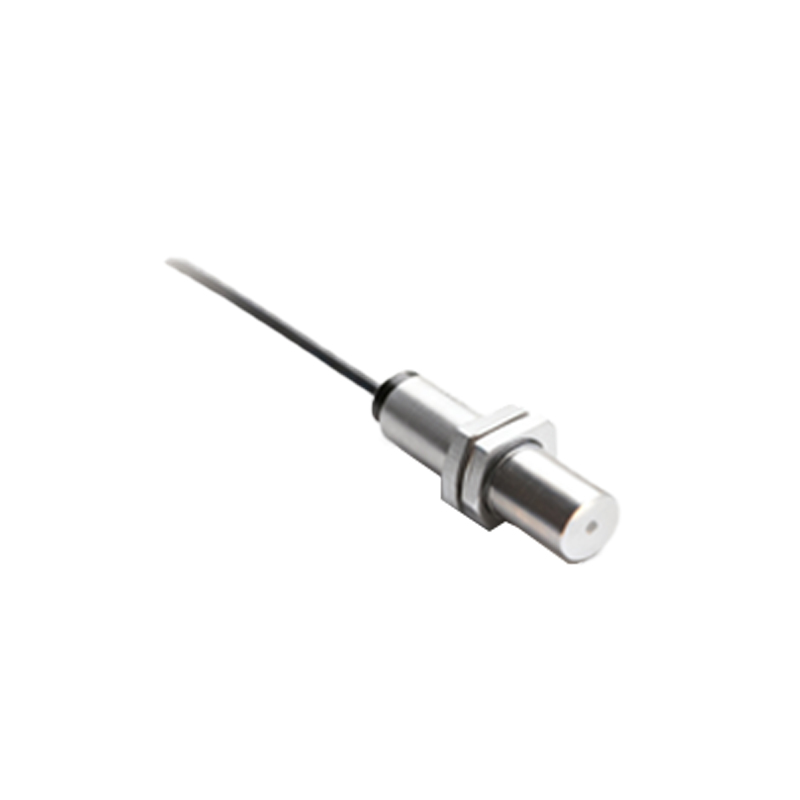
At its core, a proximity sensor is a device that detects the presence or absence of a nearby object without physical contact. It measures a field or a signal, reacting to interruption or change. Translating this technical principle into cinematic language opens a rich vein of thematic exploration. Films that embody this concept often revolve around characters whose lives are disrupted by an unseen or barely perceived force, a metaphorical "sensor" being triggered. The suspense classic "Panic Room" is a prime early example. The entire narrative tension is built around the violation of personal space—the home as a sanctuary—with the intruders and the besieged mother and daughter acutely aware of each other's proximity through walls and doors, creating a relentless, sensor-like awareness of threat.
The science fiction genre has been particularly fertile ground. "Moon," directed by Duncan Jones, explores isolation and identity. The lone astronaut, Sam Bell, interacts with the station's AI, GERTY, whose sensors monitor his every move and health metric. The drama hinges on the discovery of another "Sam" in a dormant state, a shocking breach of expected solitude that functions like a proximity sensor going off in a place it shouldn't. The film uses the claustrophobic setting to amplify the drama of nearness and revelation.
Perhaps the most direct and chilling embodiment is found in "A Quiet Place." Here, the narrative device is inverted; making sound attracts monstrous creatures. The characters must be hyper-aware of their own proximity to danger, moving with a silence that mimics the non-contact detection of a sensor. Every step, every rustle, is a potential trigger. The film brilliantly turns the audience into a collective sensor, straining to hear any sound that might spell doom, making the cinematic experience intensely visceral and based entirely on the management of proximity.

Beyond horror and sci-fi, this concept influences character-driven dramas. In "Lost in Translation," the emotional core is built on the fleeting, close-yet-distant connection between two strangers in Tokyo. Their relationship is defined by intimate conversations in close physical quarters (hotel bars, rooms) amidst the overwhelming foreignness of the city, yet a societal and personal distance remains. The film acts as a sensitive emotional proximity sensor, registering the subtle vibrations of loneliness and brief connection.
The technical filmmaking tools themselves now utilize literal proximity sensors and motion capture. Advanced CGI and virtual production stages, like those pioneered by LED volumes used in "The Mandalorian," rely on complex arrays of sensors to track camera movement and actor positions in real-time, blending physical and digital worlds seamlessly. This allows for a new kind of immersive storytelling where the environment reacts to the actors, much like a sensor-driven system.
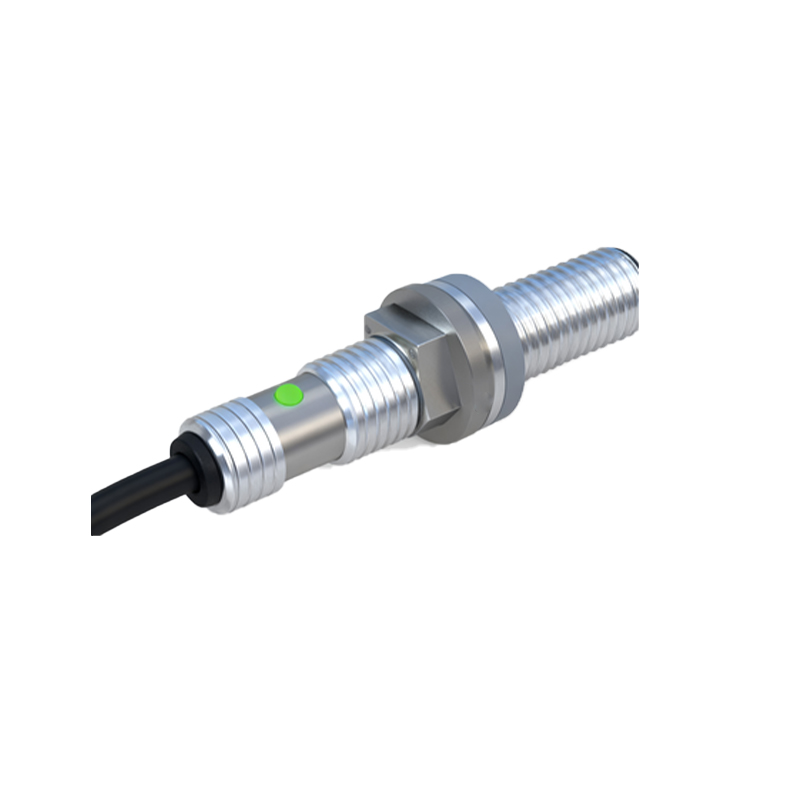
Furthermore, interactive and immersive cinema, such as certain VR film experiences, directly employs proximity sensing. The viewer's own movement and position can influence the narrative or reveal hidden story elements, breaking the fourth wall and making the audience an active, sensed participant within the story's space.
The rise of "proximity sensor movies" reflects a broader cultural anxiety and curiosity in the digital age. We live in a world saturated with devices that track our location, our online activity, and our personal data—a constant, invisible network of sensing. Cinema that explores these themes, whether through metaphorical narratives or literal technological integration, taps into a profound modern unease about privacy, autonomy, and what it means to be truly "connected" versus merely "detected."
These films challenge audiences to consider the spaces between people, between threat and safety, between reality and perception. They ask: What triggers change? What force enters our personal field and alters everything? By framing stories through this lens of reactive awareness, filmmakers are crafting compelling, resonant works that speak to our technologically-mediated existence. The beep of a device or the silent awareness of a nearby presence has never held more narrative power, proving that the most compelling stories often lie not in the touch, but in the tense, electric space just before it.