In the realm of industrial automation and electrical engineering, proximity sensors play a pivotal role in detecting the presence or absence of objects without physical contact. Among the diverse types available, the L-type proximity sensor with a 3-wire configuration stands out for its reliability, ease of installation, and versatility in various applications. This article delves into the fundamentals, working principles, wiring methods, and practical considerations for these sensors, tailored for professionals seeking to optimize their systems.
The L-type designation typically refers to the physical shape of the sensor, which resembles an "L" due to its right-angled body. This design allows for compact installation in tight spaces, such as machinery enclosures or conveyor systems, where straight-line sensors might not fit. The 3-wire configuration is a common standard in DC-powered sensors, comprising three distinct wires: brown (positive supply), blue (negative supply or ground), and black (output signal). This setup enables both power delivery and signal transmission through a single cable, simplifying wiring and reducing clutter in control panels.
At its core, an L-type proximity sensor operates on the principle of electromagnetic induction or capacitive sensing, depending on the target material. Inductive sensors, the most prevalent type, generate an oscillating electromagnetic field from a coil inside the sensor head. When a metallic object enters this field, eddy currents are induced, causing a change in oscillation amplitude. This change is detected by the internal circuitry, which then switches the output state—typically from open to closed (NO) or closed to open (NC). The 3-wire version often includes a transistor-based output, such as NPN or PNP, providing a solid-state switch that is fast, durable, and suitable for high-frequency operations.
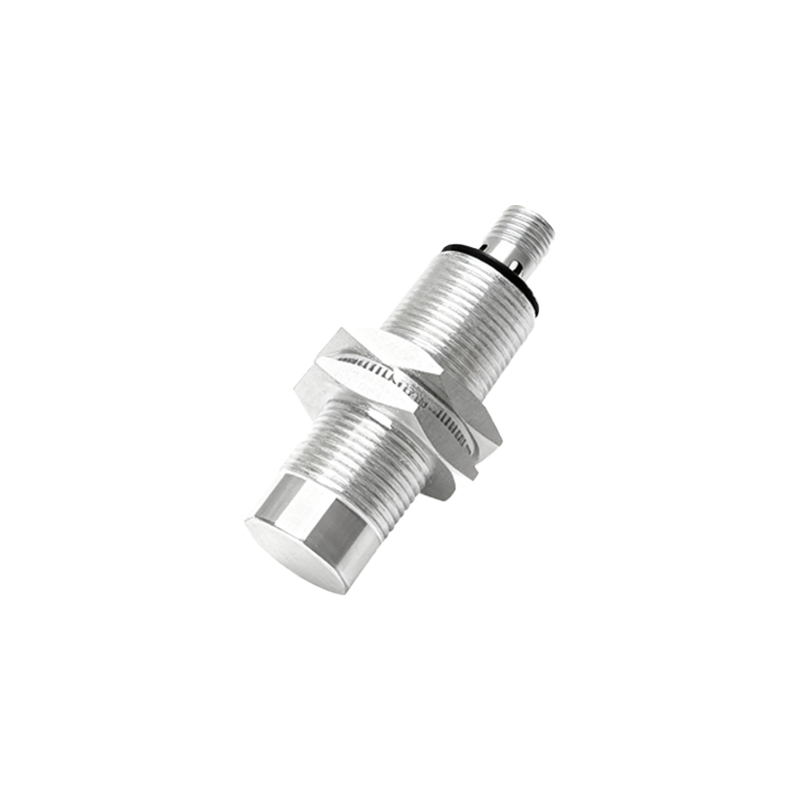
Wiring the 3-wire L-type proximity sensor correctly is crucial for safe and efficient performance. For a standard DC sensor, the brown wire connects to the positive terminal of the power supply (usually 10-30 VDC), while the blue wire links to the negative or ground terminal. The black wire serves as the output, interfacing with a programmable logic controller (PLC), relay, or other control devices. It is essential to verify the sensor's specifications, including voltage rating, current capacity, and output type (e.g., sinking or sourcing), to prevent damage or malfunction. Many sensors also feature LED indicators for visual status confirmation, aiding in troubleshooting during installation or maintenance.
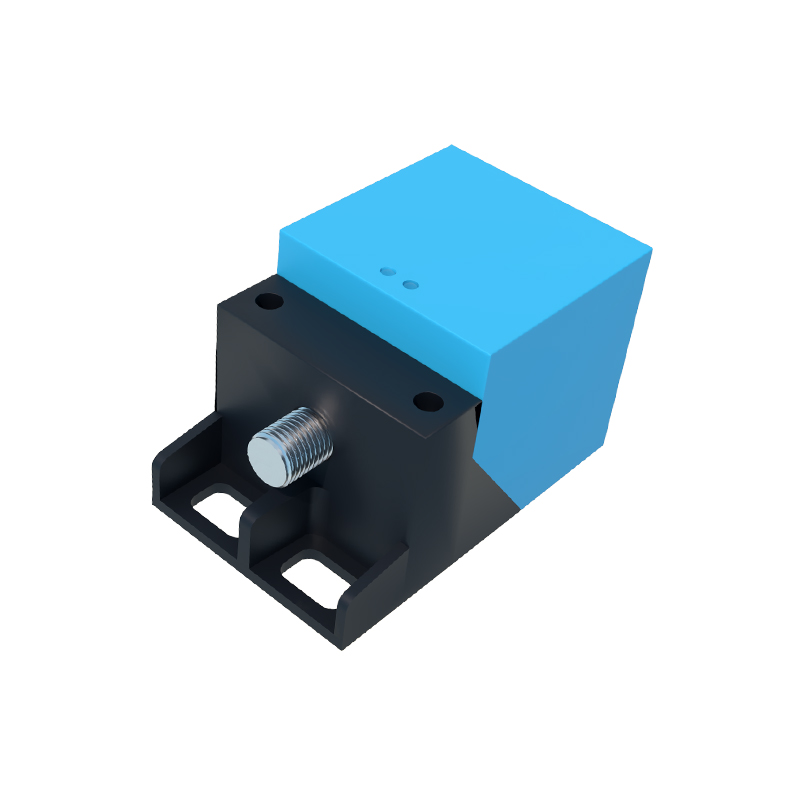
In practical applications, L-type 3-wire proximity sensors are widely used in manufacturing, packaging, and automotive industries. They excel in tasks like position detection, counting objects on production lines, or ensuring safety by monitoring machine parts. Their robust construction, often rated IP67 or higher for dust and water resistance, makes them suitable for harsh environments. When selecting a sensor, engineers should consider factors such as sensing distance (typically a few millimeters to tens of millimeters), response time, temperature range, and material compatibility. Regular calibration and testing are recommended to maintain accuracy over time.
Despite their advantages, challenges can arise, such as interference from nearby electrical noise or misalignment with targets. To mitigate these issues, proper shielding, grounding, and mounting techniques should be employed. Additionally, understanding the differences between NPN and PNP outputs is vital for compatibility with control systems—NPN outputs switch the negative side, common in Asian and European designs, while PNP outputs switch the positive side, often used in North America.
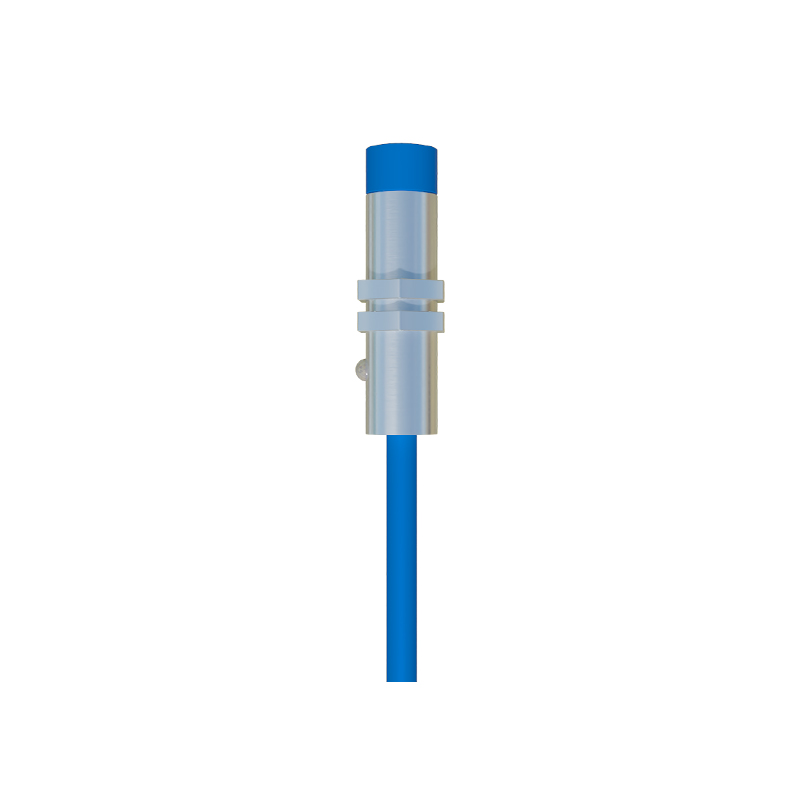
In summary, the L-type proximity sensor with 3-wire configuration offers a blend of compact design, straightforward wiring, and dependable performance. By mastering its operation and integration, electrical professionals can enhance automation processes, improve efficiency, and reduce downtime. As technology evolves, these sensors continue to adapt, incorporating features like IO-Link communication for smarter industrial networks, ensuring they remain a cornerstone of modern engineering solutions.