In the rapidly evolving landscape of industrial automation and precision measurement, miniature laser sensors have become indispensable tools. Their compact size, high accuracy, and versatility make them ideal for applications ranging from object detection and positioning to thickness measurement and quality control. However, the pricing of these sophisticated devices can vary significantly, often leaving engineers and procurement specialists pondering the reasons behind the cost spectrum. This article delves into the key factors influencing the price of miniature laser sensors, providing a clear framework for evaluation and selection.
The core determinant of a miniature laser sensor's cost is its underlying technology and performance specifications. Sensors are broadly categorized by their measurement principle: triangulation, time-of-flight (ToF), or confocal displacement. Triangulation sensors, common for short-range, high-accuracy tasks, are generally more affordable for standard resolutions (e.g., 10-50 µm). In contrast, high-speed or sub-micron resolution models command a premium. Time-of-flight sensors, used for longer distances, vary in price based on their range and immunity to ambient light interference. Confocal sensors, offering exceptional precision for transparent or glossy surfaces, represent the higher end of the price scale due to their complex optical systems.
Laser class and output power are critical cost drivers. A Class 1 laser sensor, which is inherently safe under all conditions of use, involves more engineering to ensure safety without enclosures, potentially increasing cost compared to a Class 2 device. Higher output power often correlates with better performance in challenging environments (dust, bright ambient light) but requires more robust components, impacting price. The wavelength of the laser (e.g., red visible, blue, or infrared) also affects cost, with specialized wavelengths for specific material properties being more expensive.
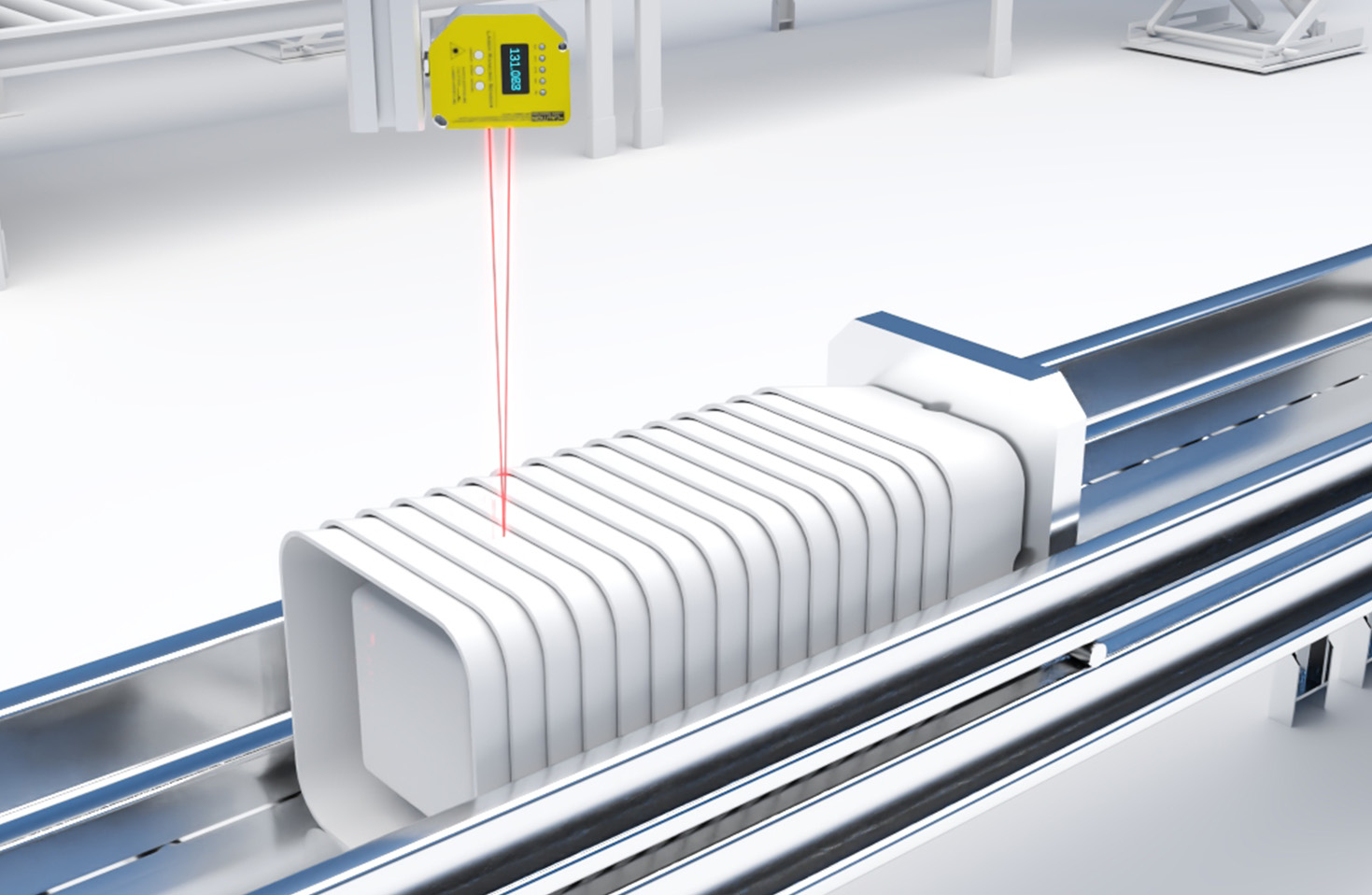
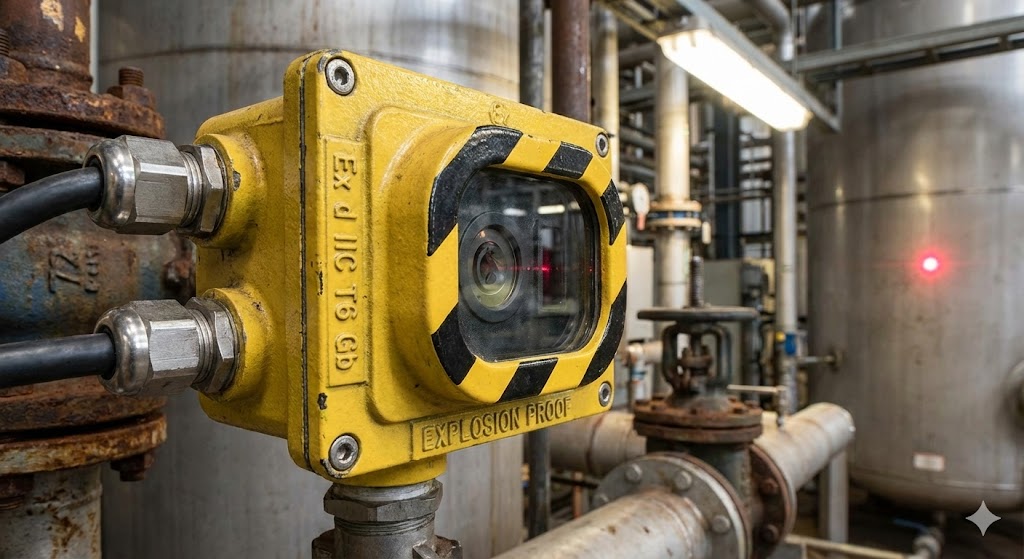
The sensor's construction and durability directly influence its price. Industrial-grade sensors with high Ingress Protection (IP) ratings (e.g., IP67, IP69K) for resistance to dust and water, robust housing materials like stainless steel, and extended operating temperature ranges (-40°C to 85°C) involve higher manufacturing costs. These features are non-negotiable for harsh environments in automotive, food processing, or outdoor applications, justifying the investment.
Integrated intelligence and connectivity are becoming standard yet add to the cost. Sensors with advanced onboard processors that offer programmable logic, data filtering, and multiple switching outputs provide greater functionality and simplify system integration. Support for industrial communication protocols like IO-Link, PROFINET, or EtherCAT adds value but also increases the unit price compared to simple analog or digital output models. The ease of integration and reduced programming time can, however, lead to lower total cost of ownership.
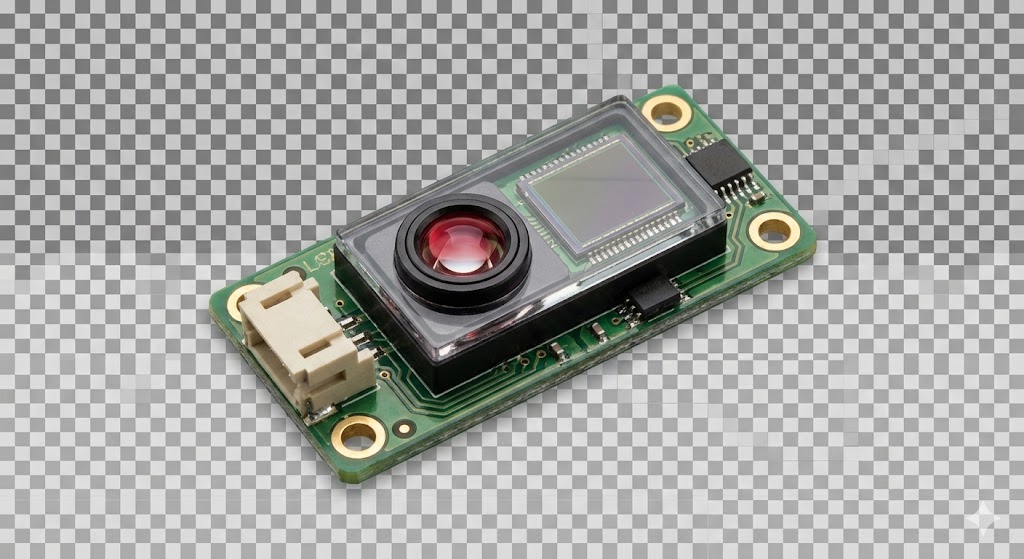
Brand reputation, certification, and support form the less tangible but significant portion of the cost. Established manufacturers with a proven track record in R&D, quality control, and global technical support typically price their products higher. This premium covers reliability, comprehensive documentation, calibration certificates, and access to application engineering expertise. Conversely, generic or lesser-known brands may offer lower upfront costs but could pose risks in long-term reliability, availability of spare parts, and technical assistance.
Finally, purchase volume and customization play a role. Standard, off-the-shelf sensors purchased in large quantities benefit from economies of scale. Customized solutions—requiring specific optics, housing, or firmware—incur significant development costs, making them suitable only for high-volume applications where the custom design is critical.
In conclusion, the price of a miniature laser sensor is a reflection of its technological sophistication, performance capabilities, build quality, and the support ecosystem behind it. A thorough analysis of the application requirements against these factors—rather than focusing solely on the initial purchase price—is essential for making a cost-effective and reliable selection that ensures optimal performance and longevity in the intended industrial setting.