Magnetic proximity sensors are pivotal components in industrial automation, offering non-contact detection of ferromagnetic objects. These sensors operate based on the Hall effect or magnetoresistive principles, generating an output signal when a magnetic field, typically from a permanent magnet or electromagnet, is disrupted by a target. Their robustness, reliability, and ability to function in harsh environments—such as those with dust, moisture, or extreme temperatures—make them indispensable across various sectors.
In automotive manufacturing, magnetic proximity sensors are extensively used for position sensing in engines, transmissions, and braking systems. For instance, they monitor crankshaft and camshaft positions to optimize ignition timing and fuel injection, enhancing engine efficiency and reducing emissions. In assembly lines, these sensors ensure precise part placement and detect the presence of components like metal fasteners, preventing errors in automated processes. Their fast response time and high accuracy contribute to improved safety and productivity in vehicle production.
The material handling industry relies on magnetic sensors for conveyor belt systems and robotic arms. They detect the position of pallets, containers, or goods, enabling seamless automation in warehouses and logistics centers. By integrating with programmable logic controllers (PLCs), these sensors facilitate real-time tracking and sorting, minimizing manual intervention and operational delays. In packaging machinery, they verify the alignment of metallic packaging materials, ensuring consistent quality and reducing waste.
Heavy machinery and construction equipment benefit from magnetic proximity sensors in monitoring hydraulic cylinders and linear actuators. They provide feedback on piston position, enabling precise control of movements in excavators, cranes, and agricultural vehicles. This enhances operational safety by preventing overextension or collisions. Additionally, in renewable energy applications, such as wind turbines, these sensors monitor blade pitch and gearbox conditions, supporting predictive maintenance and reducing downtime.
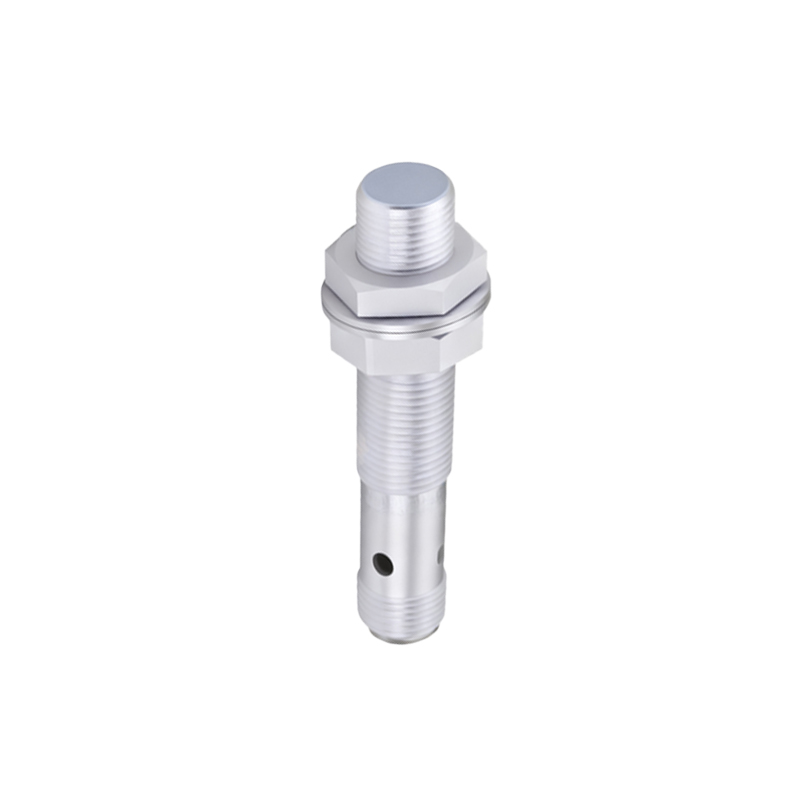
Process industries, including chemical and pharmaceutical plants, utilize magnetic sensors for valve position detection and fluid level monitoring in pipelines. Their hermetically sealed designs resist corrosion from aggressive substances, ensuring long-term reliability. In food and beverage production, sensors with stainless steel housings comply with hygiene standards, detecting metal contaminants or equipment status without direct contact, thus avoiding contamination risks.
Emerging trends include the integration of magnetic proximity sensors with IoT platforms for smart manufacturing. By transmitting data to cloud-based systems, they enable remote monitoring and analytics, optimizing energy usage and predictive maintenance schedules. Advances in miniaturization and sensitivity allow for use in compact devices, such as medical equipment for precise instrument positioning.
Despite their advantages, challenges like interference from external magnetic fields or non-ferrous materials require careful installation and shielding. Regular calibration and adherence to manufacturer guidelines ensure optimal performance. Overall, magnetic proximity sensors are versatile tools driving efficiency, safety, and innovation in modern industrial applications, with ongoing research focused on enhancing their adaptability and connectivity in Industry 4.0 environments.