In the dynamic world of industrial automation and control systems, proximity sensors stand as fundamental components, enabling non-contact detection of objects. For electrical engineers, technicians, and automation specialists, having access to a detailed, practical tutorial is invaluable. This guide serves as your gateway to understanding proximity sensors and directs you to essential resources for a comprehensive tutorial download.
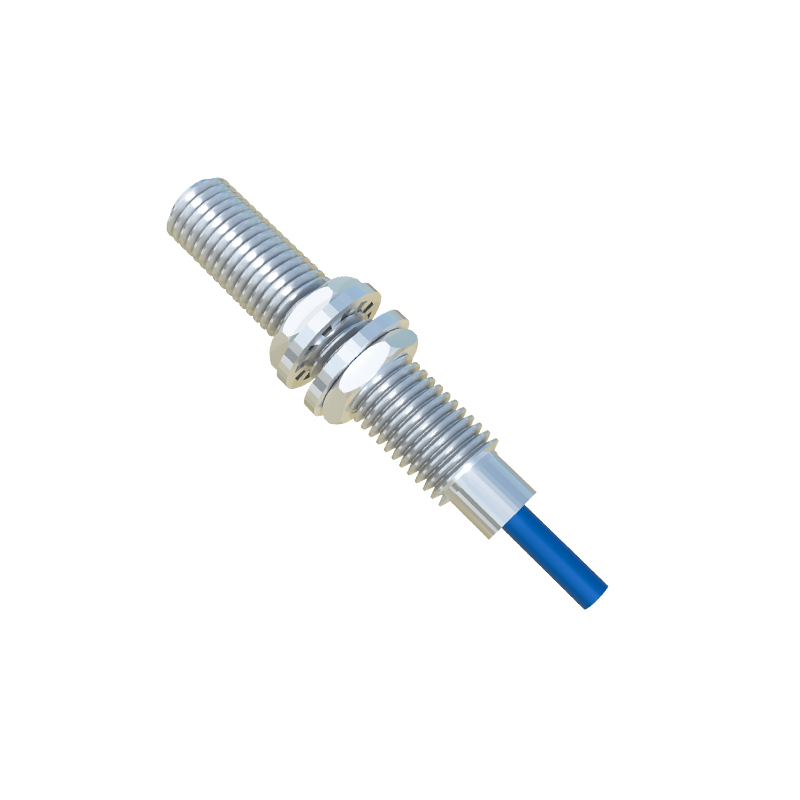
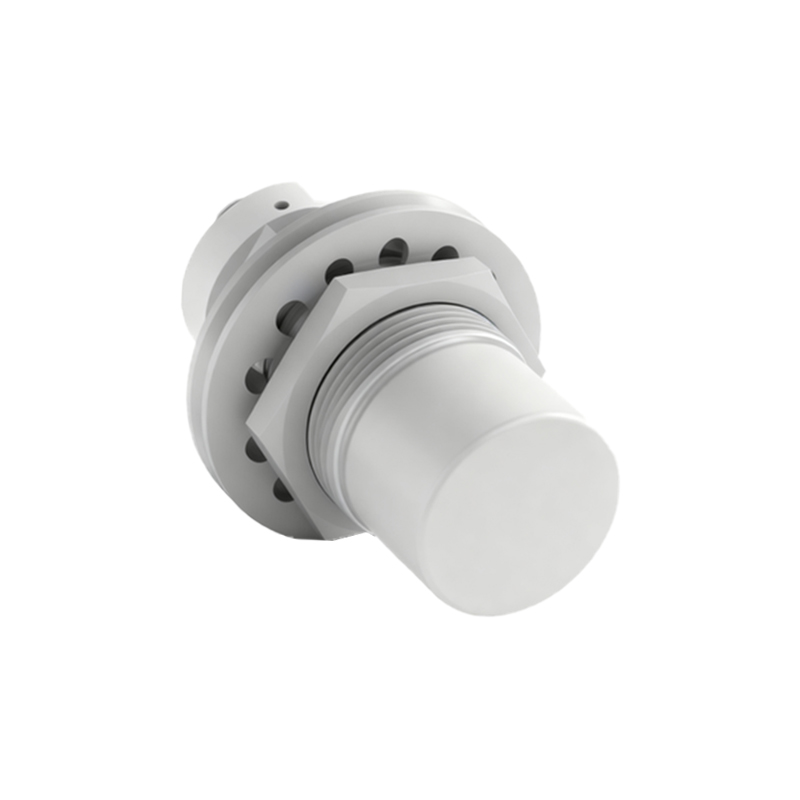
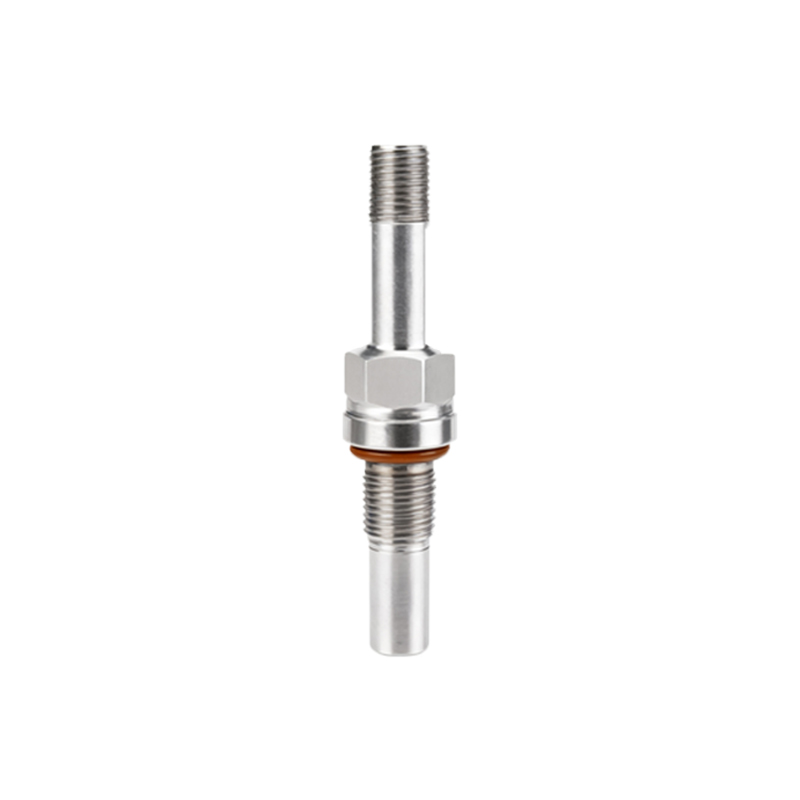
Proximity sensors are electronic devices designed to detect the presence or absence of an object within a specific range without any physical contact. They operate on various principles, primarily inductive, capacitive, ultrasonic, and photoelectric. Inductive sensors detect metallic objects, capacitive sensors can detect both metallic and non-metallic materials, ultrasonic sensors use sound waves for detection, and photoelectric sensors utilize light beams. Each type has its unique advantages, selection criteria, and application scenarios, from machine automation and assembly lines to automotive manufacturing and packaging systems.
A high-quality tutorial download should encompass several core modules. First, it must delve into the fundamental operating principles of each sensor type, explaining the underlying physics and electronics in a clear, engineering-focused manner. Second, a detailed section on selection criteria is crucial. This includes factors like sensing distance, target material, output type (PNP/NPN, NO/NC), housing style, and environmental considerations such as temperature, humidity, and potential exposure to chemicals or washdowns.
Furthermore, a practical tutorial provides comprehensive wiring and installation guidelines. It should include standard wiring diagrams for 2-wire, 3-wire, and 4-wire sensors, explaining how to interface them with Programmable Logic Controllers (PLCs), relays, and other control systems. Emphasis on proper shielding, grounding techniques, and protection against electrical noise is essential for reliable operation in industrial environments.
Troubleshooting is another critical component. A useful guide will offer a systematic approach to diagnosing common issues like false triggering, failure to detect, or reduced sensing range. It should cover checks for power supply stability, sensor alignment, target characteristics, and environmental interference. Real-world application examples and case studies enhance the learning experience, demonstrating how to solve specific engineering challenges.
For engineers seeking to download a thorough tutorial, it is recommended to look for resources from reputable sources. These include official websites of leading sensor manufacturers (e.g., Siemens, Omron, Schneider Electric, Pepperl+Fuchs, Balluff), which often provide detailed application manuals, whitepapers, and selection guides for free download. Professional engineering forums, technical institutes like the International Society of Automation (ISA), and established e-learning platforms for industrial technology are also excellent sources. These materials are typically available in PDF format, often accompanied by configuration software tools, CAD drawings, and simulation modules.
When downloading, ensure the material is up-to-date, reflecting current technologies and standards. The best tutorials combine theoretical knowledge with practical, hands-on exercises, possibly including interactive elements or video demonstrations. By mastering the content from a well-structured proximity sensor tutorial, engineers can significantly improve system design efficiency, enhance operational reliability, and reduce downtime in automated processes. The knowledge empowers professionals to select the optimal sensor for any given application, configure it correctly, and integrate it seamlessly into complex control architectures, driving innovation and productivity in the electrical and automation fields.