Proximity sensor switches, particularly the widely adopted M8 threaded cylindrical models, are critical components in industrial automation, providing non-contact detection of metallic objects. Despite their robust design, M8 sensors are susceptible to various failures that can disrupt production lines. Understanding these common failure modes and their remedies is essential for maintenance engineers and automation specialists.
One prevalent issue is sensor output failure, where the device ceases to switch states upon detecting a target. This can stem from electrical overload, often caused by short circuits or incorrect wiring that exceeds the sensor's maximum load. A sustained overload can permanently damage the internal switching element. To diagnose, first verify the load current against the sensor's specifications. Using a multimeter, check for proper output voltage when a target is presented. If the output remains inactive, inspect the wiring for shorts or misconnections, particularly ensuring the brown (positive) and blue (negative) wires are correctly linked to the power supply, and the black (output) wire is properly connected to the load. Replacing a fused internal component typically requires swapping the entire sensor unit.
Another frequent problem is reduced sensing distance or erratic detection. M8 inductive sensors have a defined nominal sensing range, usually up to 2mm for standard models. Performance degradation often results from environmental contamination. Metallic dust, chips, or coolant accumulation on the sensor face can interfere with its electromagnetic field. Regularly clean the sensing face with a soft cloth and appropriate cleaner. Additionally, ensure the target material and size meet specifications; non-ferrous metals like aluminum or brass have reduced effective distances. Sensor misalignment or mechanical vibration can also cause intermittent operation. Securely mount the sensor and confirm the target passes consistently within the detection zone.
Electrical noise interference is a subtle yet disruptive failure cause. In environments with variable frequency drives (VFDs), welding equipment, or high-power motors, electromagnetic interference (EMI) can induce false triggering or output instability. To mitigate this, use shielded cables for sensor connections and ground the shield properly at the controller end. Keep sensor wiring separate from high-voltage power lines. Employing sensors with built-in noise immunity or adding ferrite cores to cables near the sensor can enhance stability. If interference persists, consider relocating the sensor or the noise source.
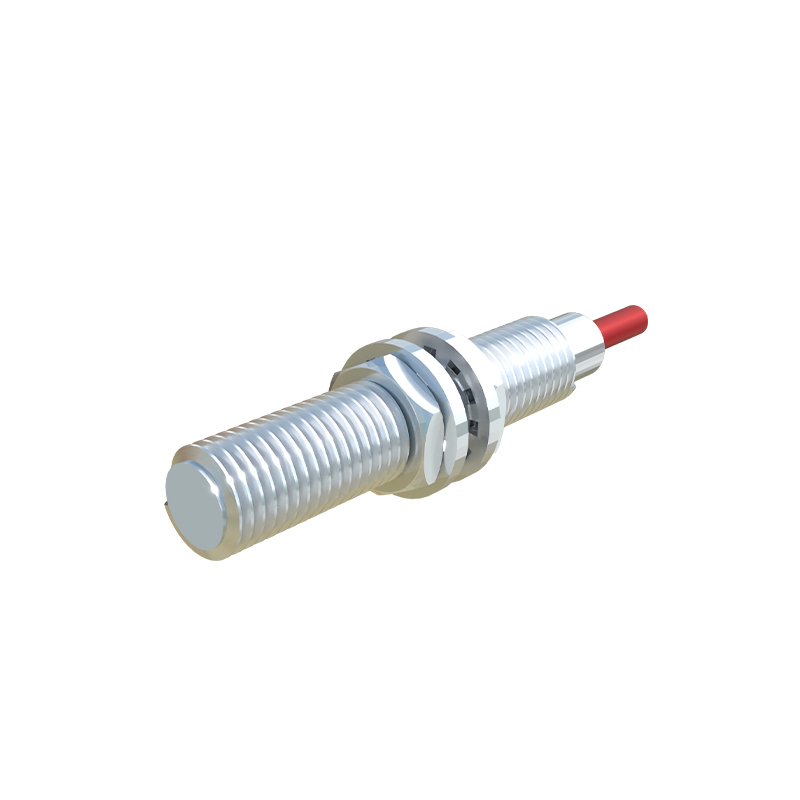
Wiring and connection faults are common culprits. Vibration can loosen terminal connections or cause wire fatigue and breakage, especially at cable entry points. Inspect the cable for physical damage and ensure the connector (if used) is fully seated and locked. For pre-wired models, check the gland nut is tightened to maintain IP rating and strain relief. A continuity test from the sensor pins to the controller can reveal broken wires.
Lastly, environmental factors can lead to premature failure. While M8 sensors often boast IP67 ratings, prolonged exposure to extreme temperatures, moisture ingress, or chemical corrosion can degrade seals and electronics. Ensure the sensor's environmental specifications (operating temperature, resistance to specific chemicals) match the application. In harsh settings, selecting a sensor with a higher IP rating (e.g., IP69K) or a stainless-steel housing may be necessary.
Preventive maintenance is key. Implement regular inspection schedules to check for physical damage, cleanliness, and secure mounting. Log sensor performance data to identify gradual degradation. Keeping spare sensors on hand minimizes downtime. When replacing a faulty M8 sensor, always confirm the type (NPN vs. PNP, normally open vs. normally closed), sensing range, and output current to ensure compatibility. By systematically addressing these common failure points, engineers can significantly enhance system reliability and reduce unplanned stoppages in automated machinery.