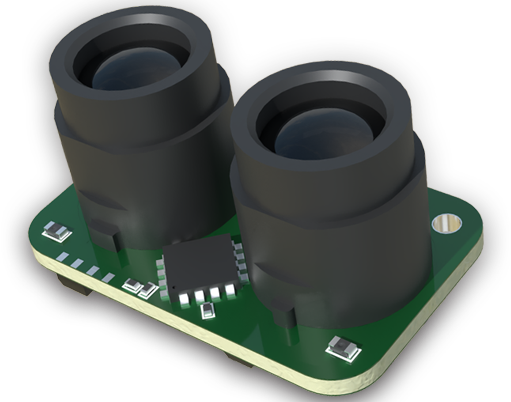
In the rapidly evolving landscape of industrial automation and precision measurement, laser sensors have emerged as a cornerstone technology for real-time tracking applications. These devices utilize laser beams to detect, measure, and monitor objects with exceptional accuracy and speed, enabling seamless integration into complex systems. Unlike traditional sensors, laser sensors operate on principles such as time-of-flight, triangulation, or interferometry, allowing them to capture minute details and movements without physical contact. This non-invasive nature minimizes wear and tear, ensuring longevity and reliability in demanding environments.
One of the key advantages of laser sensors in real-time tracking is their ability to provide high-resolution data at incredible speeds. For instance, in manufacturing assembly lines, laser sensors can track components moving at high velocities, ensuring precise alignment and quality control. They detect deviations as small as micrometers, triggering immediate corrective actions to prevent defects. This capability is crucial in industries like automotive and electronics, where even minor errors can lead to significant losses. Additionally, laser sensors excel in environments with variable lighting or harsh conditions, as their focused beams are less susceptible to interference compared to optical or ultrasonic alternatives.
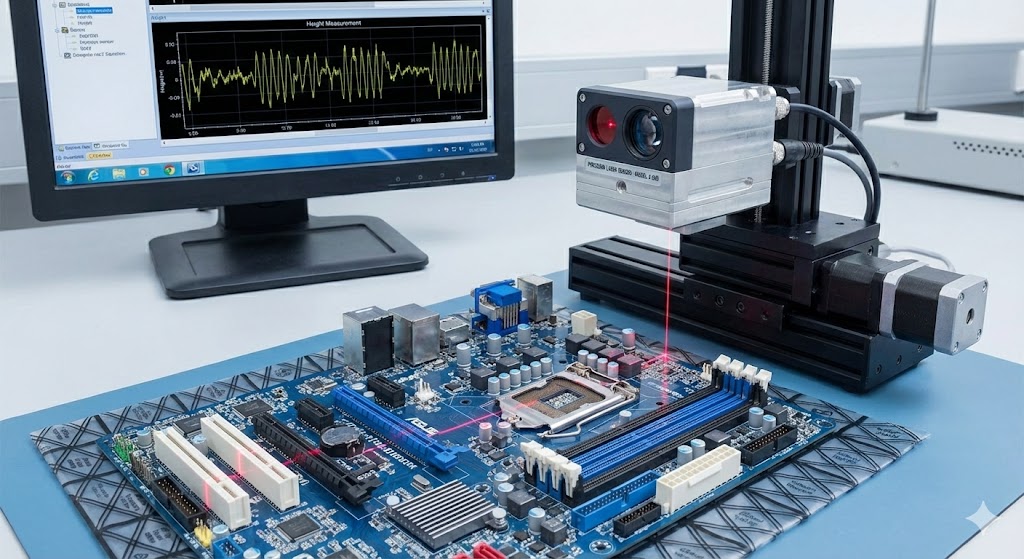
The applications of laser sensor-based real-time tracking span diverse sectors. In logistics and warehousing, these sensors facilitate automated inventory management by tracking items on conveyor belts or robotic systems, optimizing throughput and reducing human error. In robotics, they enable autonomous navigation and object manipulation, allowing machines to interact dynamically with their surroundings. Furthermore, in safety systems, laser sensors monitor restricted zones, detecting unauthorized intrusions and enhancing workplace security. The integration of these sensors with IoT platforms and data analytics tools has further amplified their impact, enabling predictive maintenance and real-time decision-making.
Despite their benefits, implementing laser sensors for real-time tracking requires careful consideration. Factors such as sensor range, resolution, and environmental compatibility must align with specific operational needs. Calibration and regular maintenance are essential to sustain accuracy, especially in applications involving extreme temperatures or vibrations. Moreover, advancements in miniaturization and cost reduction are making laser sensors more accessible, driving innovation in fields like healthcare for patient monitoring and agriculture for crop assessment.
Looking ahead, the convergence of laser sensor technology with artificial intelligence and machine learning promises to revolutionize real-time tracking. Enhanced algorithms can interpret sensor data more intelligently, predicting trends and automating complex tasks. As industries continue to prioritize efficiency and precision, laser sensors will remain indispensable tools, shaping the future of smart manufacturing and beyond. Their role in enabling real-time insights underscores a transformative shift toward data-driven operations, where every movement is captured, analyzed, and optimized for peak performance.