In the realm of industrial automation, the reliable detection of paper presence or absence is a critical function across numerous applications, from printing presses and packaging machinery to paper converting and document handling systems. Proximity sensors, specifically engineered for this purpose, offer a non-contact, high-precision solution that ensures operational continuity, prevents jams, and safeguards equipment. Unlike mechanical limit switches that require physical contact, proximity sensors detect the presence of a target—in this case, paper—through changes in an electromagnetic field or by emitting and receiving light beams. This non-contact nature eliminates wear and tear on both the sensor and the medium, leading to significantly reduced maintenance needs and higher long-term reliability.
Two primary technologies dominate paper detection: inductive and photoelectric proximity sensors. Inductive sensors generate an oscillating electromagnetic field and detect the eddy currents induced in metallic objects. While paper itself is non-metallic, this technology is exceptionally useful for detecting the metallic components often associated with paper handling, such as printer rollers, paper clamps, or metallic threads in security papers. For direct paper detection, however, photoelectric sensors are the unequivocal choice. These sensors operate by emitting a beam of light—visible red, infrared, or laser—towards a target. The presence or absence of paper is determined by how this light beam is affected. The most common configurations are through-beam, retro-reflective, and diffuse (proximity) modes.
Through-beam sensors, consisting of separate emitter and receiver units, offer the longest sensing ranges and highest reliability for paper detection. The paper breaks the beam between the two units, triggering a detection signal. This method is highly immune to environmental factors like paper color, texture, or glossiness, making it ideal for high-speed printing lines where various paper stocks are used. Retro-reflective sensors use a single unit that emits light towards a reflector; the paper interrupts the reflected beam. This setup simplifies installation compared to through-beam but may be less effective with highly reflective or transparent papers. Diffuse sensors, or proximity-mode photoelectrics, detect the light reflected directly off the paper's surface. They are compact and require only a single unit, but their performance can be influenced by the paper's color and reflectivity. Advanced models with background suppression or true background suppression technology can reliably detect even dark or black paper by focusing on a specific sensing distance.
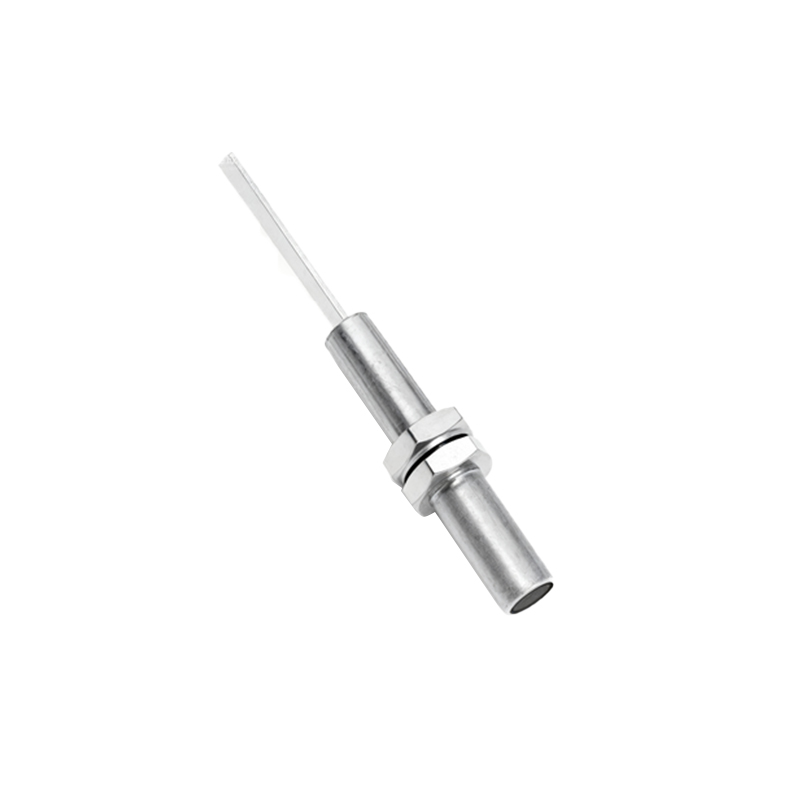
Selecting the optimal sensor requires a meticulous analysis of the application parameters. Key considerations include the sensing distance required, the speed of the paper web, the physical characteristics of the paper (such as thickness, color, transparency, and surface finish), and the environmental conditions (like dust, humidity, or ambient light). For instance, a high-speed newspaper press demands a sensor with an extremely fast response time and immunity to paper dust, likely a through-beam laser sensor. Conversely, detecting the presence of a single sheet in an office feeder might employ a compact, cost-effective diffuse sensor.
Installation and alignment are paramount for consistent performance. Sensors must be securely mounted to avoid vibration-induced misalignment. The sensing beam should be perpendicular to the paper path to ensure accurate detection. Regular maintenance, primarily lens cleaning to prevent dust or debris accumulation, is essential to maintain signal integrity. Modern sensors often feature built-in diagnostics, such as LED status indicators or IO-Link communication, which provide real-time operational data and facilitate predictive maintenance, minimizing unplanned downtime.
The integration of these sensors into a broader control system—typically a PLC (Programmable Logic Controller)—is straightforward. The discrete output from the sensor (PNP or NDC) acts as a critical input for the machine's logic, triggering actions like stopping a feed roller, activating a cutter, or signaling a low-paper condition in an HMI (Human-Machine Interface). This seamless integration is the cornerstone of automated efficiency.
In conclusion, proximity sensors for paper detection are sophisticated, application-specific components that are vital for modern industrial automation. By understanding the strengths of inductive versus photoelectric technologies, and carefully matching the sensor type—through-beam, retro-reflective, or diffuse—to the specific paper handling task, engineers can design systems that achieve unparalleled levels of reliability, efficiency, and productivity. The non-contact principle not only protects the product but also establishes a foundation for robust, low-maintenance operation that is essential in today's competitive manufacturing landscape.