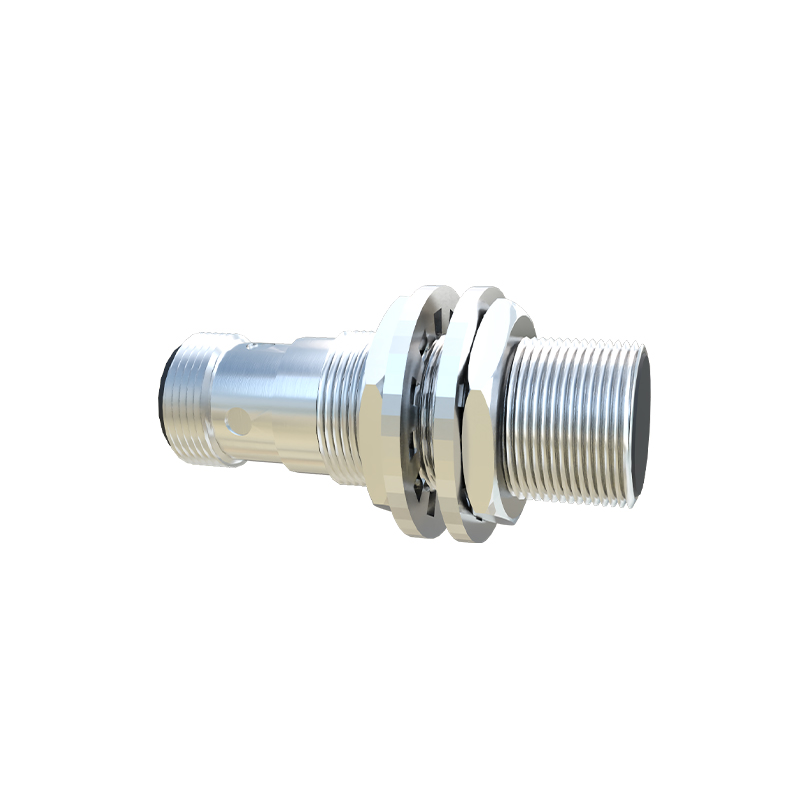
Proximity sensors in screens are integral components in modern electronic devices, designed to detect the presence or absence of an object within a specific range without physical contact. These sensors are commonly found in smartphones, tablets, laptops, and industrial control panels, where they enhance user experience and device functionality. The primary purpose of a proximity sensor in a screen is to sense when a user's face or hand is near the display, triggering actions such as turning off the screen during phone calls to prevent accidental touches or conserving power by dimming the display when not in use.
Technically, proximity sensors operate based on various principles, with infrared (IR) and capacitive sensing being the most prevalent in screen applications. Infrared proximity sensors emit an IR beam and measure the reflection from nearby objects. When an object, like a user's face, interrupts the beam, the sensor detects the change in reflected light intensity and sends a signal to the device's processor. This allows for precise detection within a typical range of a few centimeters, making it ideal for smartphones. Capacitive proximity sensors, on the other hand, rely on changes in an electrical field caused by conductive objects, such as human skin. They are often used in touchscreens to distinguish between intentional touches and accidental proximity, improving responsiveness and reducing false inputs.
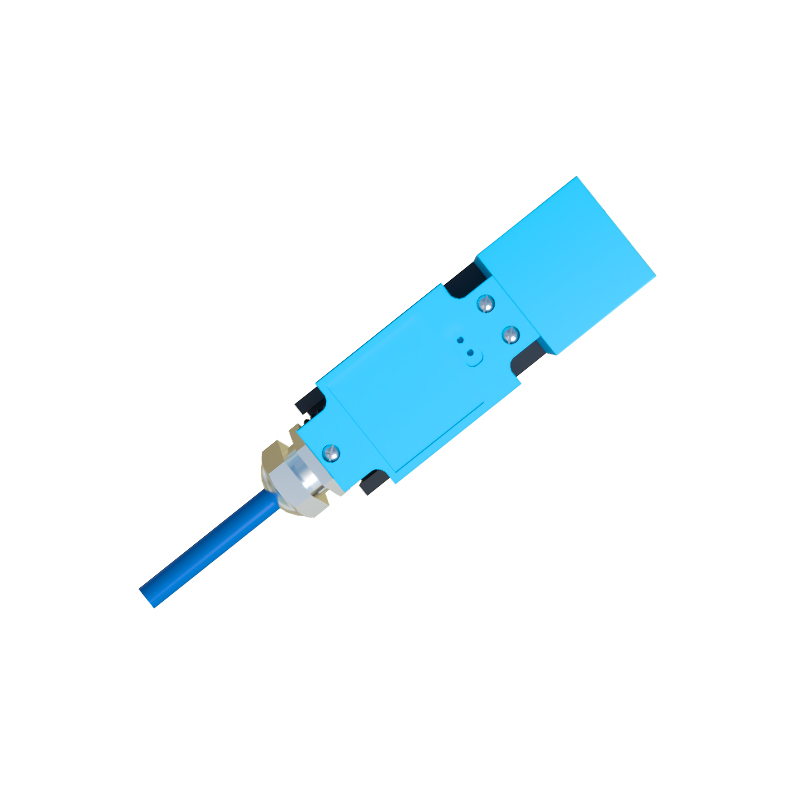
The integration of proximity sensors into screens involves careful engineering to ensure accuracy and reliability. Factors like ambient light, environmental interference, and sensor placement must be considered during design. For instance, in smartphones, the sensor is usually embedded near the earpiece or within the bezel to optimize detection during calls. Advanced models may incorporate multiple sensors or combine proximity sensing with other features like ambient light sensors for adaptive brightness control. This synergy contributes to energy efficiency, as the screen can automatically adjust based on usage context, extending battery life in portable devices.
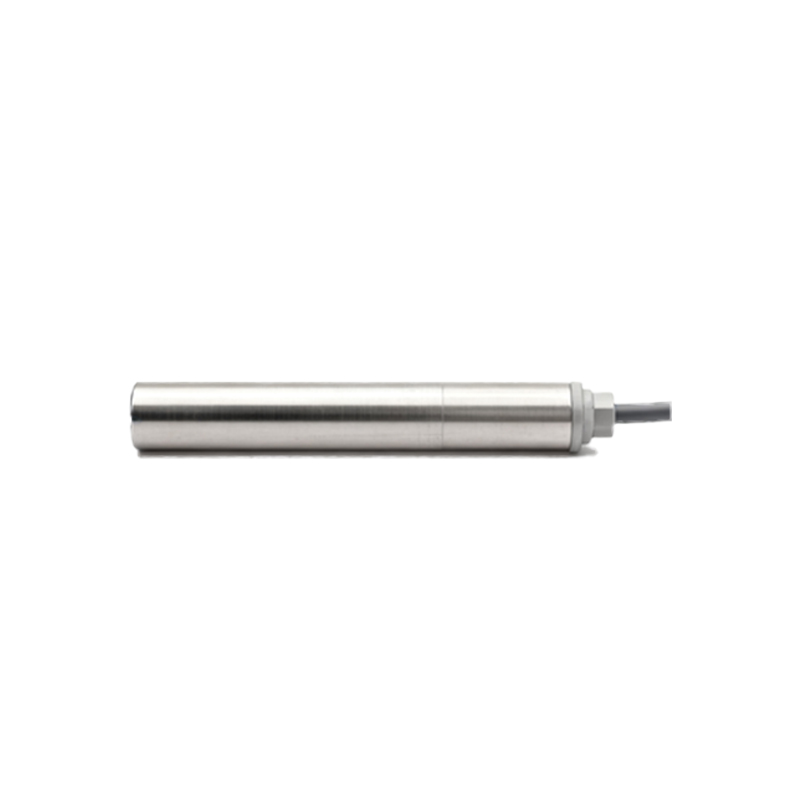
In industrial and automotive applications, screen proximity sensors play a crucial role in safety and usability. They can prevent accidental activation of controls in machinery or infotainment systems, reducing the risk of errors in high-stakes environments. For example, in a car's dashboard, a proximity sensor might detect a driver's hand approaching the screen and activate a simplified interface to minimize distraction. The durability of these sensors is also critical, as they must withstand harsh conditions like temperature fluctuations, moisture, and vibration without compromising performance.
The evolution of proximity sensor technology continues to drive innovation in screen design. Emerging trends include the use of time-of-flight (ToF) sensors for more precise distance measurement and integration with artificial intelligence for predictive behaviors. As screens become more ubiquitous in smart homes, wearables, and IoT devices, proximity sensors will likely become even more sophisticated, enabling intuitive interactions like gesture control and presence detection. For engineers and designers, understanding the principles and applications of these sensors is essential for creating user-centric products that balance functionality, efficiency, and safety.
Overall, proximity sensors in screens represent a subtle yet powerful aspect of modern electronics, bridging human interaction with digital interfaces. By enabling non-contact detection, they enhance convenience and performance across various industries, from consumer electronics to industrial automation. As technology advances, their role is expected to expand, making them a key focus in the ongoing development of smarter, more responsive devices.