In the rapidly evolving landscape of industrial automation, laser sensors have emerged as pivotal components, driving unprecedented levels of precision, efficiency, and reliability. These non-contact measurement devices utilize laser technology to detect, measure, and inspect objects with micron-level accuracy, making them indispensable across manufacturing, robotics, logistics, and quality control sectors. This article delves into ten groundbreaking laser sensor technologies that are reshaping modern industrial processes.
First, Laser Distance Sensors, such as time-of-flight (ToF) and triangulation-based models, provide high-accuracy measurements for positioning and level detection. They excel in applications like warehouse inventory management and assembly line monitoring, where exact distance data is critical for operational harmony. Second, Laser Displacement Sensors offer sub-micron resolution for thickness, vibration, and deformation analysis, essential in semiconductor fabrication and automotive component inspection. Their ability to capture minute surface variations ensures product integrity and reduces material waste.

Third, Laser Profilers generate 2D/3D profiles of objects by scanning laser lines across surfaces. Used in reverse engineering and weld seam tracking, they enable real-time dimensional analysis, enhancing production speed and consistency. Fourth, Laser Micrometers deliver non-contact diameter and thickness measurements for wires, tubes, and filaments, maintaining tight tolerances in high-speed manufacturing environments. Fifth, Laser Marking Sensors facilitate precise part identification and traceability by engraving serial numbers or barcodes onto materials, supporting compliance and supply chain transparency.
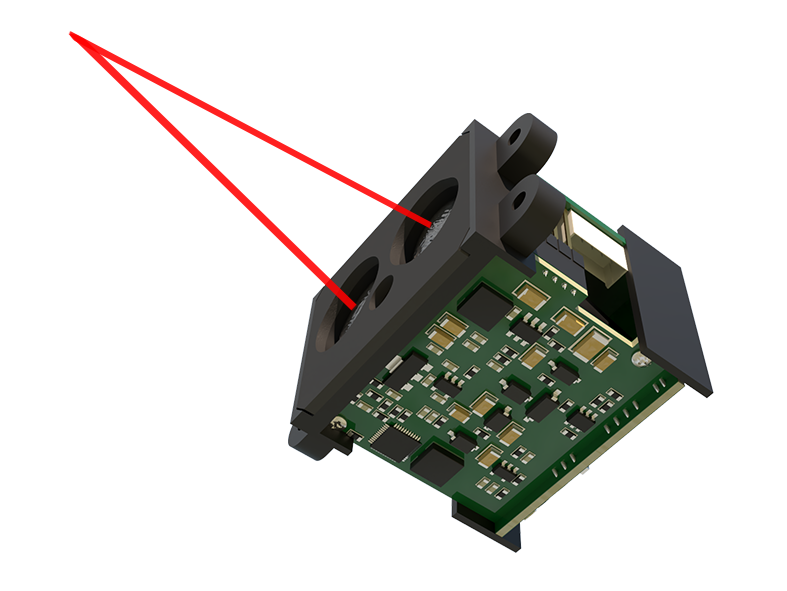
Sixth, Laser Contrast Sensors distinguish materials based on color or surface reflectivity, optimizing sorting tasks in recycling and packaging industries. Seventh, Laser Edge Detection Sensors accurately locate edges for cutting, aligning, and guiding processes in textile and printing machinery, minimizing errors and downtime. Eighth, Laser Safety Sensors, including light curtains and scanners, create protective zones around hazardous equipment, safeguarding personnel while maintaining productivity. Ninth, Laser Communication Sensors enable high-speed data transmission in noisy industrial settings, replacing traditional wiring for improved flexibility. Tenth, Environmental Laser Sensors monitor air quality, dust levels, and gas concentrations, ensuring workplace safety and regulatory adherence.
The integration of these laser sensors with IoT and AI platforms has further amplified their impact, enabling predictive maintenance and adaptive control systems. For instance, smart factories leverage laser data to optimize energy consumption and reduce cycle times. Despite challenges like cost and sensitivity to ambient light, advancements in compact design, enhanced durability, and cost reduction are broadening accessibility. As industries embrace Industry 4.0, laser sensors will continue to be at the forefront, offering scalable solutions for complex automation demands. Their role in enabling agile, data-driven operations underscores a future where precision and innovation converge seamlessly.