Laser distance sensors are advanced measurement devices that utilize laser technology to determine the distance between the sensor and a target object. These sensors operate based on the principle of time-of-flight (ToF), phase-shift, or triangulation, depending on the specific model and application requirements. In industrial settings, laser distance sensors are prized for their high accuracy, fast response times, and non-contact operation, making them ideal for tasks such as positioning, inspection, and automation.
The core mechanism involves emitting a laser beam toward the target. For time-of-flight sensors, the distance is calculated by measuring the time it takes for the laser pulse to reflect back to the sensor. Phase-shift sensors, on the other hand, analyze the phase difference between the emitted and reflected laser waves. Triangulation sensors use a geometric approach, where a laser spot is projected onto the target, and its position is detected by a receiver at a known angle, allowing distance computation through trigonometric formulas.
Key advantages of laser distance sensors include their ability to measure with micron-level precision over ranges from a few millimeters to several hundred meters. They are unaffected by surface color or material in many cases, though highly reflective or absorbent surfaces may require calibration. Additionally, these sensors are robust against environmental factors like dust or mild vibrations when properly housed, ensuring reliable performance in harsh conditions such as manufacturing floors or outdoor installations.
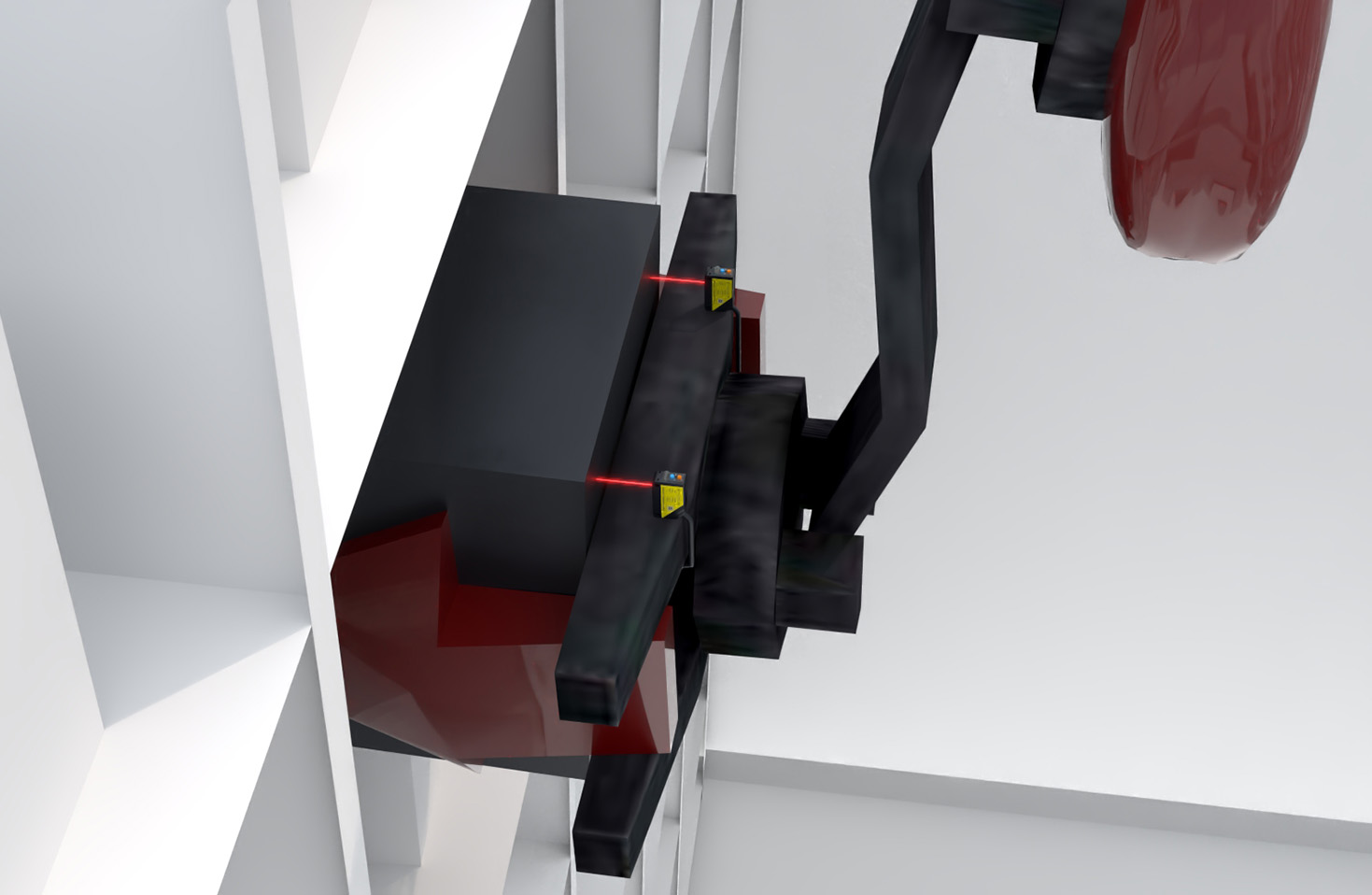
Applications span across various industries. In automotive manufacturing, laser sensors assist in aligning components and checking dimensions. In logistics, they enable warehouse automation by monitoring inventory levels and guiding robotic arms. Construction professionals use them for surveying and leveling, while in agriculture, they aid in terrain mapping and equipment guidance. The versatility of laser distance sensors also extends to consumer electronics, such as in smartphones for autofocus enhancements or in home security systems for motion detection.
When selecting a laser distance sensor, engineers must consider parameters like measurement range, accuracy, resolution, response time, and environmental ratings. For instance, a sensor with IP67 protection is suitable for dusty or wet environments, while high-speed models are necessary for dynamic production lines. Integration typically involves connecting the sensor to control systems via analog outputs (e.g., 4-20 mA) or digital interfaces (e.g., RS-485, Ethernet), allowing seamless data acquisition and processing.
Maintenance is minimal but crucial for longevity. Regular cleaning of lenses prevents signal attenuation, and periodic calibration ensures ongoing accuracy. It is also important to avoid pointing lasers at eyes or using them near flammable materials due to safety concerns. Most sensors comply with international standards like IEC 60825 for laser safety, which classifies devices based on power output and potential hazards.
In summary, laser distance sensors are indispensable tools in modern engineering, offering efficient and precise measurement solutions. As technology advances, trends include miniaturization, enhanced connectivity for IoT applications, and improved algorithms for handling complex surfaces. By understanding their principles and applications, professionals can leverage these sensors to optimize processes, enhance quality control, and drive innovation in diverse fields.