In the rapidly evolving landscape of industrial automation, smart proximity sensors have transitioned from simple detection devices to critical components of the Industrial Internet of Things (IIoT). Their pricing is no longer a straightforward calculation based on basic specifications but a complex equation influenced by a multitude of technological and market factors. Understanding this pricing structure is essential for engineers and procurement specialists aiming to optimize system performance and cost.
The core of a smart proximity sensor's value lies in its embedded intelligence. Traditional sensors provided a simple on/off signal. Modern smart sensors, however, integrate microprocessors and advanced communication protocols. They offer features like self-diagnostics, condition monitoring, parameter configurability via software, and precise digital output. This intelligence allows for predictive maintenance, reducing unplanned downtime—a cost-saving feature directly reflected in the initial price premium. A sensor with IO-Link communication, for instance, will command a higher price than a standard PNP/NPN output model due to the added circuitry and protocol licensing.
Technology type remains a primary price determinant. Inductive sensors, used for metal detection, are generally the most cost-effective for standard applications. Capacitive sensors, capable of detecting non-metallic materials like liquids or plastics, are typically more expensive due to their more complex sensing field and calibration needs. Ultrasonic sensors, offering longer ranges and material-independent detection, sit at a higher price point, while the most advanced laser-based triangulation or time-of-flight sensors represent the premium segment for high-precision applications.
Performance specifications dramatically impact cost. Sensing range is a key factor; a 2mm range inductive sensor is standard, but a 15mm or 30mm range version of the same form factor requires more sophisticated coil design and signal processing, increasing price. Similarly, factors like switching frequency (speed), repeat accuracy, and housing material (stainless steel vs. plastic) create price tiers. A sensor rated for IP67/IP69K for washdown environments or with high resistance to chemicals and temperature extremes will be more expensive than a basic IP67 model.
The integration of connectivity is arguably the most significant modern price driver. Standard discrete-wire sensors are the baseline. Sensors with IO-Link, PROFINET, EtherNet/IP, or EtherCAT interfaces incorporate network stacks, PHY chips, and require rigorous protocol conformance testing, adding substantial cost. This investment, however, unlocks network-based configuration, centralized diagnostics, and seamless data integration into PLCs and SCADA systems, offering long-term operational savings.
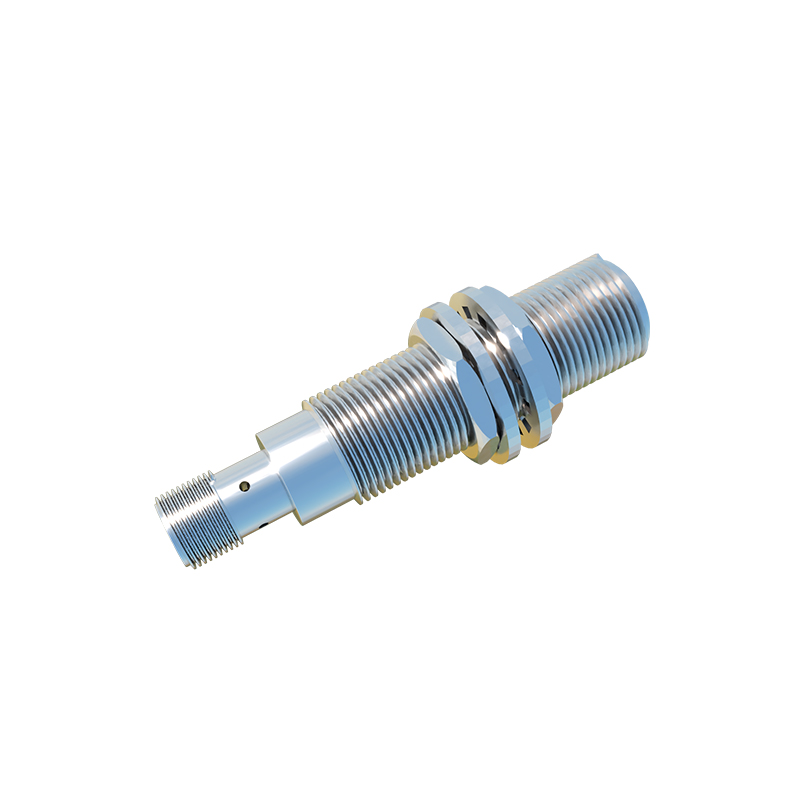
Form factor and design also influence pricing. Miniature and cylindrical sensors in M5, M8, or M12 sizes, designed for space-constrained applications, often have a higher cost-per-unit due to precision manufacturing requirements. Conversely, larger block-style sensors might offer more features for a relatively lower cost. Specialized designs, such as analog-output sensors for distance measurement or sensors with specific certifications (ATEX, SIL), carry significant price premiums due to development and compliance costs.
Market dynamics and supply chain considerations play a crucial role. Brand reputation and the availability of global technical support add value. Established manufacturers with proven reliability and extensive product lifecycles often price their smart sensors higher than generic alternatives. Furthermore, global chip shortages and material costs directly affect sensor pricing. A sensor reliant on a specific, supply-constrained microcontroller or ASIC will see price volatility and longer lead times.
When evaluating cost, a Total Cost of Ownership (TCO) approach is imperative. The initial purchase price is just one element. Consider installation time (pre-wired connectors vs. individual wires), configuration ease (tool-free vs. software-based), maintenance needs, and mean time between failures (MTBF). A slightly more expensive smart sensor with self-monitoring can prevent a $50,000 production line stoppage, offering an immense return on investment.
In conclusion, the price of a smart proximity sensor is a direct reflection of its capabilities, intelligence, and robustness. From basic inductive models costing under twenty dollars to high-precision, networked laser sensors costing several hundred, the spectrum is wide. For industry professionals, the goal is not to find the cheapest sensor but the most cost-effective solution over its operational lifespan. Specifying the correct technology, necessary features, and appropriate connectivity level for the application is the surest path to maximizing value and ensuring system reliability in an increasingly connected and data-driven industrial world.