In the vast landscape of industrial automation and machine design, the selection of sensing technology is a critical decision that impacts reliability, efficiency, and cost. Among the myriad of options, circular proximity sensors, often referred to as cylindrical inductive proximity sensors, are a ubiquitous presence. The question "Are circular proximity sensors good?" is not one with a simple yes or no answer. Their suitability is entirely dependent on the application context, and a thorough understanding of their characteristics is essential for any engineer or system integrator.
Fundamentally, a circular proximity sensor is a non-contact device that detects the presence of metallic objects (typically ferrous metals like steel and iron, with some models capable of detecting non-ferrous metals like aluminum, copper, or brass) within its sensing range. Its cylindrical housing, usually threaded (common sizes being M8, M12, M18, M30), is designed for easy installation into a drilled and tapped hole, providing a robust and secure mounting solution. The operating principle is based on electromagnetic induction. The sensor generates an oscillating electromagnetic field from its face. When a conductive metal target enters this field, eddy currents are induced in the target, which dampens the oscillation of the sensor's internal circuit. This damping is detected, triggering a solid-state switch (PNP or NMP output) to change state.
The advantages of choosing a circular proximity sensor are significant and explain their widespread adoption. First and foremost is their exceptional durability and resilience. Housed in materials like nickel-plated brass, stainless steel, or robust plastics, they are built to withstand harsh industrial environments. They are inherently resistant to common contaminants such as dust, dirt, oil, and coolant splash, with many models offering IP67, IP68, or even IP69K ingress protection ratings. This makes them ideal for dirty or wet applications in machining, material handling, or automotive assembly.
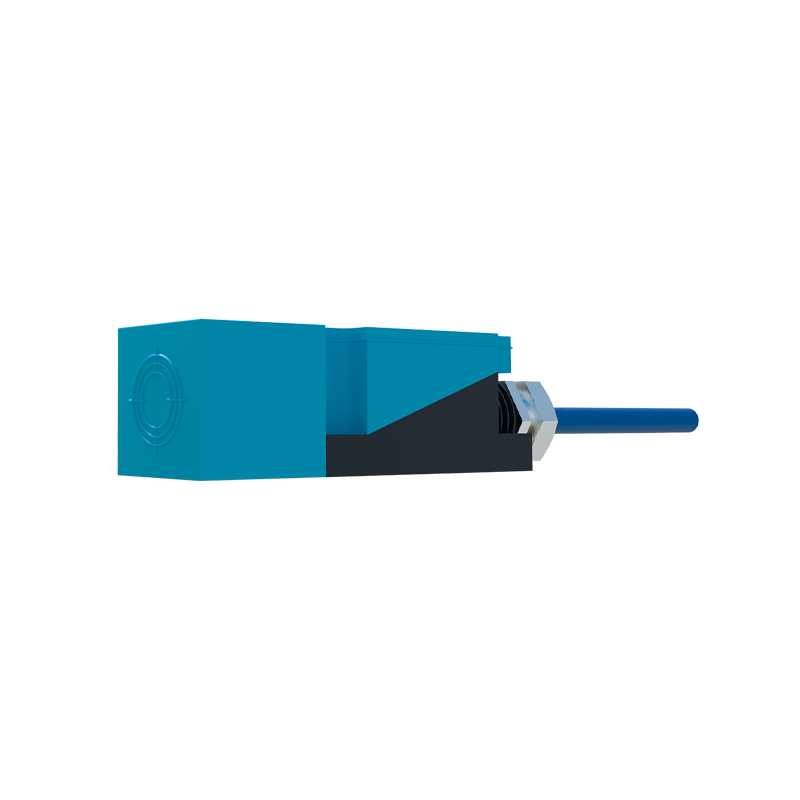
Their mechanical design is another major strength. The threaded barrel allows for straightforward, secure, and repeatable mounting. The sensing face is typically flush-mounted, enabling detection right up to the mounting surface. Some variants offer embeddable or non-embeddable designs, providing flexibility for different installation needs to avoid mechanical damage. Furthermore, they are known for their high switching frequency and fast response times, capable of detecting objects at speeds unsuitable for mechanical limit switches. They offer excellent repeat accuracy, ensuring consistent operation over millions of cycles with no moving parts to wear out.
However, to declare them universally "good" would be misleading. They come with inherent limitations that must be carefully considered. The most prominent limitation is their sensing range, which is relatively short compared to some other technologies like ultrasonic or photoelectric sensors. The range is a function of the sensor's diameter; a standard M18 sensor might have a sensing distance of 5mm, 8mm, or 10mm depending on the model and target material. This necessitates precise positioning. Additionally, they are strictly for metal detection. For applications requiring detection of plastics, glass, liquids, or other non-metallic materials, they are entirely ineffective.
Another critical consideration is the influence of the target material. The nominal sensing distance (Sn) is usually defined for mild steel. For other metals, a correction factor must be applied. For instance, stainless steel may reduce the effective range to about 70-90% of Sn, while aluminum or copper might reduce it to 30-50% or less. This requires careful calculation during the design phase. Mutual interference can also be an issue when mounting multiple sensors in close proximity; maintaining a minimum distance between sensors, as specified by the manufacturer, is crucial to prevent false triggering.
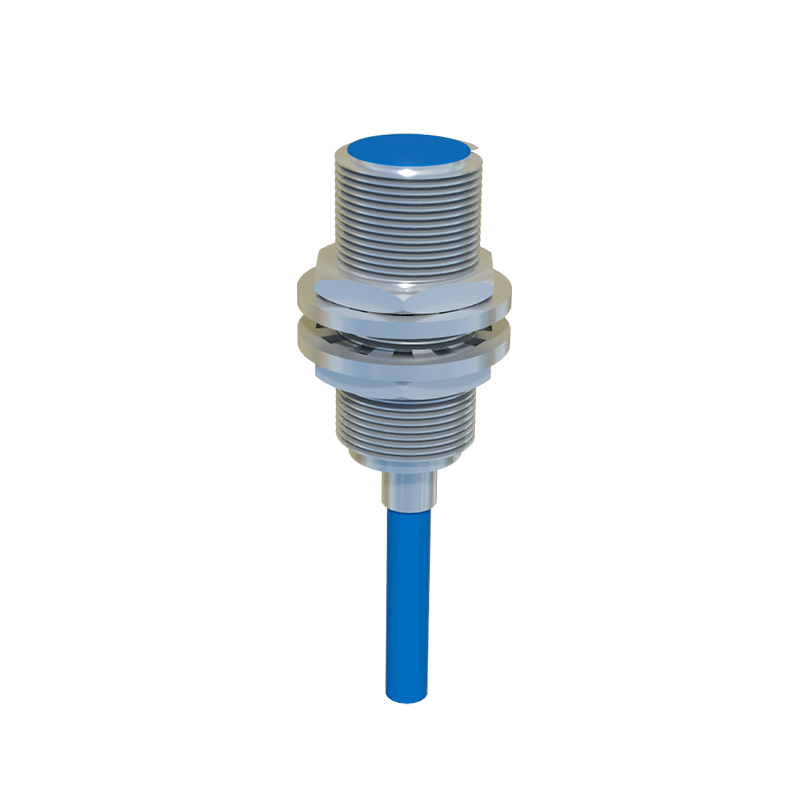
So, when are they the "good" choice? They excel in countless applications: counting metal parts on a conveyor, detecting the position of a hydraulic cylinder piston (via a metal flag), verifying the presence of a metal component in a fixture, monitoring rotational speed by detecting gear teeth or bolts, and as end-of-travel limit switches on machinery. Their robustness makes them perfect for heavy-duty environments like stamping presses, welding cells, and CNC machine tools.
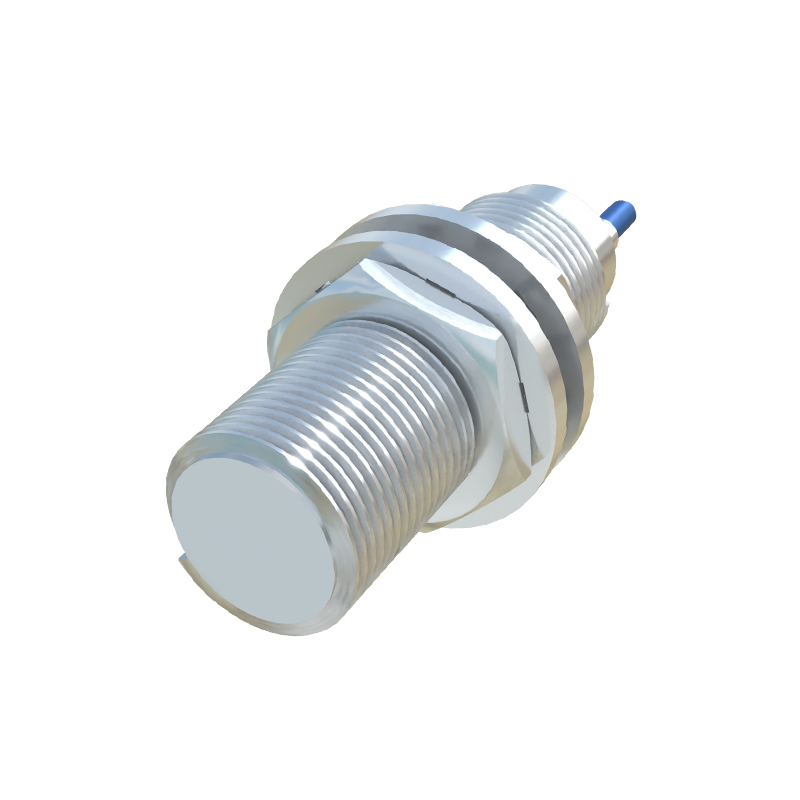
Conversely, they are a "poor" choice for detecting non-metallic objects, where long sensing ranges are required (over 50mm), or in environments with extreme temperatures beyond their specified operating range (typically -25°C to +70°C for standard models). For these scenarios, capacitive, photoelectric, or ultrasonic sensors would be more appropriate.
In conclusion, circular inductive proximity sensors are an excellent, reliable, and cost-effective solution for a massive range of metal detection tasks in industrial settings. Their "goodness" is not absolute but application-specific. For an engineer, the key is to match the sensor's strengths—robustness, simple installation, fast response, and reliability in harsh conditions—against the application's requirements: target material,