In the intricate landscape of industrial automation and machine design, the demand for compact, reliable, and high-performance sensing solutions is ever-present. Among these, the miniature self-contained M5 proximity sensor stands out as a critical component for precision detection and control. This article delves into the technical specifications, operational principles, and diverse application scenarios of this pivotal device, tailored for engineers and procurement specialists in the electrical and automation sectors.
The "M5" designation primarily refers to the sensor's threaded housing diameter of 5mm, a form factor that epitomizes space-saving design. This miniature footprint allows for installation in highly constrained environments where traditional larger sensors cannot operate. Despite its small size, the M5 proximity sensor is "self-contained," meaning it integrates all necessary components—oscillator, amplifier, output circuit, and often a built-in LED status indicator—within its robust, typically cylindrical metal or polymer housing. This integrated design simplifies wiring, reduces external component count, and enhances overall system reliability.
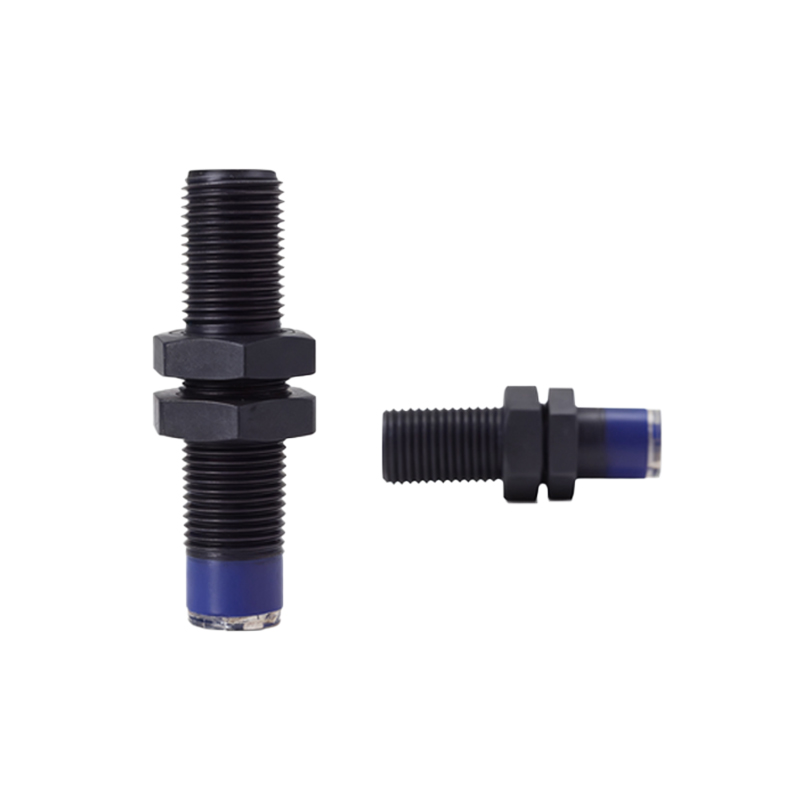
Operationally, most miniature M5 sensors employ an inductive sensing principle. The sensor's internal oscillator generates a high-frequency electromagnetic field that emanates from its active face. When a metallic target (ferrous or non-ferrous, depending on the sensor type) enters this field, eddy currents are induced in the target. This causes a change in the oscillation amplitude, which is detected by the sensor's threshold circuit, triggering a solid-state output switch. Key performance parameters include sensing distance, which for a standard M5 inductive sensor typically ranges from 0.5mm to 1.5mm, repeat accuracy in the micron range, and switching frequency often exceeding 1 kHz, enabling high-speed counting and positioning tasks.
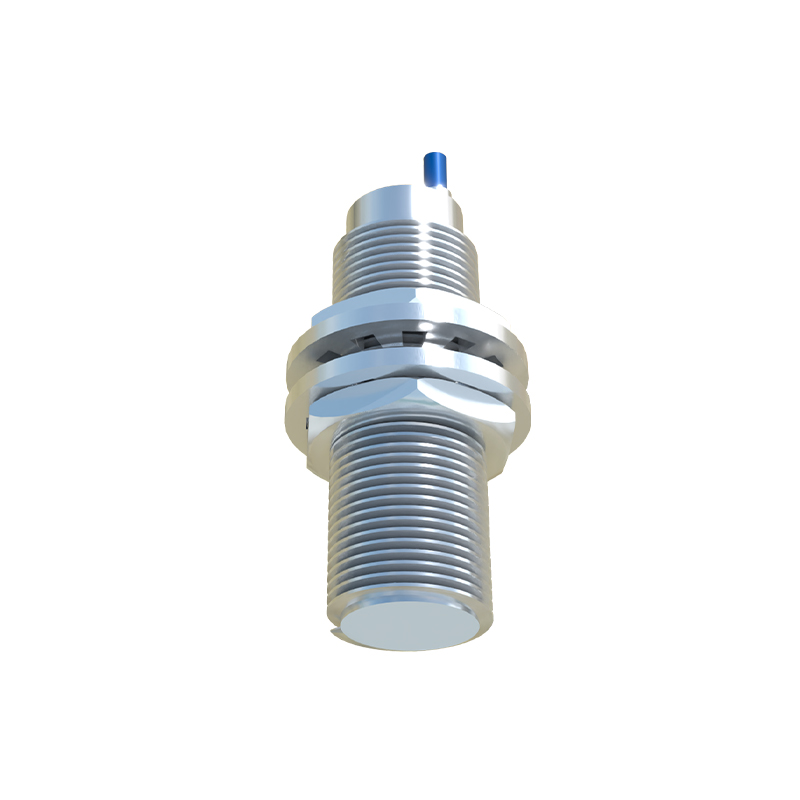
The output configuration is a vital selection criterion. Common options include DC 3-wire types (NPN sinking or PNP sourcing) and 2-wire AC/DC variants, with voltage ratings commonly spanning 10-30V DC or 20-250V AC. The choice depends on the control system's PLC or controller input module compatibility. Furthermore, many models offer features like short-circuit protection, reverse polarity protection, and immunity to electrical noise, which are essential for harsh industrial environments characterized by vibration, coolant, and electromagnetic interference.
Application versatility is a hallmark of the M5 miniature proximity sensor. In robotics, they are indispensable for end-effector positioning and verifying gripper closure. Within precision assembly machines, they detect the presence or absence of tiny screws, springs, or electronic components on feeder tracks. In packaging machinery, they monitor fill levels, count products, and confirm cap placement. The medical device and semiconductor manufacturing industries leverage their precision for cleanroom-compatible models to ensure contamination-free operation. Their ability to function without physical contact eliminates mechanical wear, ensuring a long operational life measured in millions of cycles.
When specifying an M5 proximity sensor, engineers must consider several factors beyond just size. The target material dictates whether a standard inductive (for metals), capacitive (for non-metals like plastic, glass, or liquids), or magnetic (for permanent magnets) type is required. Environmental conditions demand attention to the Ingress Protection (IP) rating, with IP67 being common for resistance to dust and temporary immersion. Temperature range, typically from -25°C to +70°C, must suit the operating environment. Finally, housing material—stainless steel for corrosive settings or nickel-plated brass for general use—completes the specification.
In conclusion, the miniature self-contained M5 proximity sensor is a powerhouse of functionality packed into a minuscule form. Its design embodies the industry's drive toward miniaturization, integration, and robustness. By offering precise, non-contact detection in the tightest of spaces, it enables more compact, faster, and more reliable machine designs. For any application demanding reliable object detection where space is at a premium, the M5 sensor presents an engineered solution that consistently delivers performance, making it an unsung hero in the seamless operation of modern automated systems.