In the realm of industrial automation, proximity switch sensors stand as critical components for enabling non-contact detection, ensuring seamless operations across manufacturing lines, robotics, and machinery. Ziman Electronics has established itself as a prominent leader in this field, delivering high-performance proximity sensors that meet the rigorous demands of modern industries. These devices are engineered to detect the presence or absence of objects without physical contact, thereby minimizing wear and tear, reducing maintenance costs, and enhancing overall system efficiency.
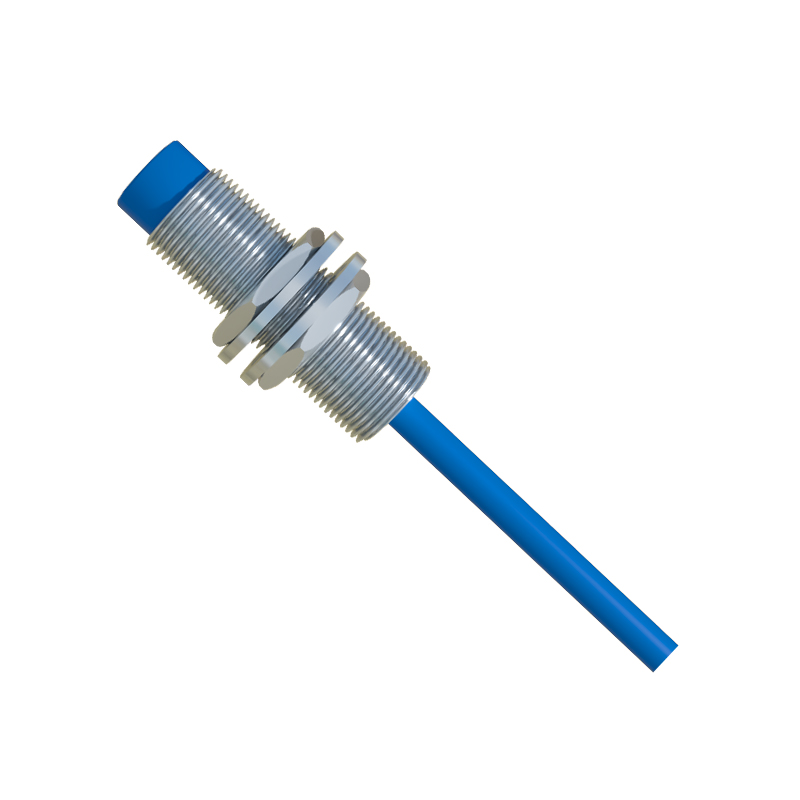
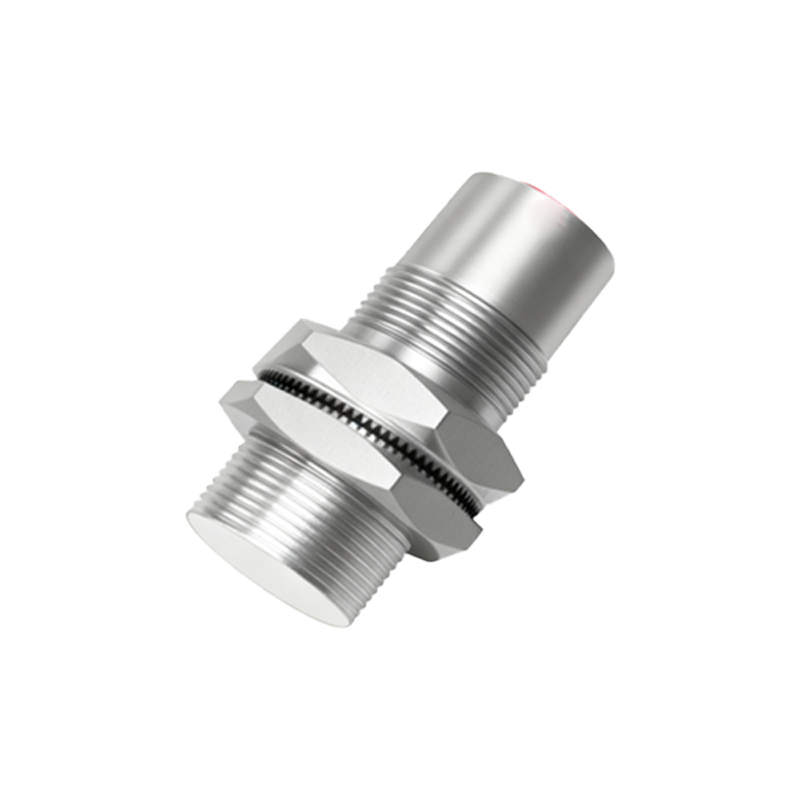
Ziman Electronics' proximity sensors utilize advanced technologies, including inductive, capacitive, and magnetic principles, to cater to diverse applications. Inductive sensors, for instance, are ideal for detecting metallic objects, making them indispensable in metalworking, automotive assembly, and conveyor systems. Capacitive sensors, on the other hand, can sense both metallic and non-metallic materials, such as plastics, liquids, and granules, proving valuable in packaging, food processing, and pharmaceutical industries. Magnetic sensors offer robust performance in harsh environments, often employed in hydraulic systems and outdoor equipment.
One of the key strengths of Ziman Electronics lies in its commitment to precision and durability. The sensors are designed with high-quality materials and undergo stringent testing to withstand extreme conditions, including temperature fluctuations, moisture, dust, and vibration. This resilience ensures consistent performance in challenging settings, from heavy machinery in construction sites to delicate electronic assemblies in cleanrooms. Moreover, Ziman's sensors feature compact designs, allowing for easy integration into space-constrained applications without compromising functionality.
The integration of smart features further sets Ziman Electronics apart. Many of their proximity sensors incorporate digital interfaces, such as IO-Link or analog outputs, enabling real-time data transmission and connectivity with industrial networks. This facilitates predictive maintenance, where sensor data can be analyzed to anticipate failures and optimize operational schedules. Additionally, adjustable sensing ranges and sensitivity settings provide flexibility, allowing users to customize the sensors for specific tasks, thereby improving accuracy and reducing false triggers.
In practice, Ziman Electronics' proximity sensors contribute significantly to enhancing safety and productivity. In automated production lines, they ensure precise positioning of components, preventing collisions and misalignments. In robotics, these sensors enable accurate object detection for pick-and-place operations, boosting throughput. Furthermore, their use in safety systems, such as emergency stop mechanisms or access control, helps protect personnel and equipment from accidents.
Looking ahead, Ziman Electronics continues to innovate, focusing on sustainability and energy efficiency. Newer models are designed with low power consumption, aligning with global efforts to reduce carbon footprints in industrial sectors. Research into IoT-enabled sensors is also underway, aiming to create interconnected systems that offer enhanced monitoring and control capabilities. As industries evolve toward Industry 4.0, Ziman's proximity sensors are poised to play a pivotal role in driving automation forward, combining reliability with cutting-edge technology.
For engineers and procurement specialists, selecting Ziman Electronics' proximity switch sensors means investing in a solution that balances cost-effectiveness with long-term performance. With a global support network and comprehensive documentation, Ziman ensures that clients receive timely assistance and technical guidance, fostering trust and collaboration. In summary, these sensors represent a cornerstone of modern industrial automation, empowering businesses to achieve higher efficiency, safety, and innovation.