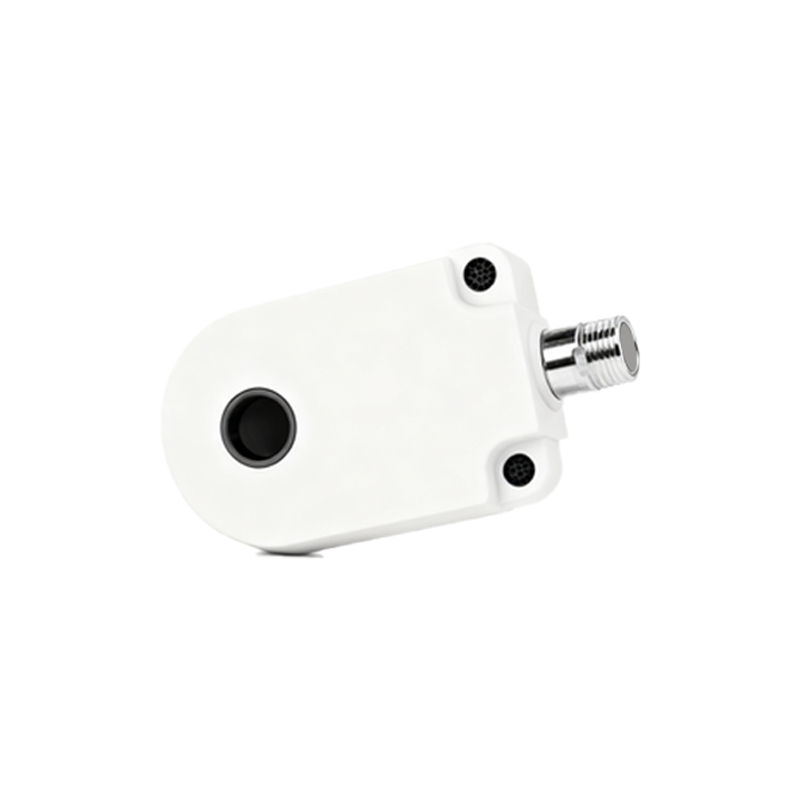
In the realm of industrial automation and electronic control systems, proximity light sensors stand as a cornerstone technology for non-contact detection and measurement. Fundamentally, a proximity light sensor, often referred to as a photoelectric proximity sensor, is a device that emits a beam of light—typically infrared, visible red, or laser—and detects changes in the received light signal to determine the presence, absence, or distance of an object within its sensing range. Unlike mechanical limit switches or inductive/capacitive proximity sensors that rely on physical contact or electromagnetic field disturbances, these sensors operate on optical principles, offering distinct advantages in precision, speed, and application versatility.
The core operational principle hinges on the modulation and reception of light. The sensor contains an emitter (light source) and a receiver (photodetector). When the emitted light beam strikes a target object, the light may be reflected back to the receiver, interrupted, or absorbed, depending on the sensor's operating mode. The primary sensing modes include through-beam, retro-reflective, and diffuse-reflective. In the through-beam (or opposed) mode, the emitter and receiver are separate units placed opposite each other. An object is detected when it breaks the light beam traveling from the emitter to the receiver. This mode offers the longest sensing distances and high reliability. The retro-reflective mode positions the emitter and receiver within the same housing, using a reflector to bounce the light beam back. Detection occurs when an object interrupts this reflected beam. The diffuse-reflective (or proximity) mode, which is the most common for true "proximity" sensing, also houses both emitter and receiver together. It detects an object by measuring the light scattered or diffused back from the object's surface itself. The sensing distance in this mode is influenced by the object's color, material, and surface texture.
Key technical specifications define a sensor's suitability for an application. Sensing distance, often specified as a nominal range, is critical. Response time, measured in milliseconds or microseconds, determines how quickly the sensor can detect a change and output a signal, which is vital for high-speed production lines. Light sources are another differentiator: modulated Infrared LEDs are common for immunity to ambient light; red visible LEDs aid in easy alignment; laser diodes provide extremely focused beams for precise detection of small objects or long ranges. The output from the sensor is typically a digital switch signal (PNP/NPN) or an analog signal (0-10V, 4-20mA) proportional to distance, enabling integration with Programmable Logic Controllers (PLCs), robotics, and other control systems.
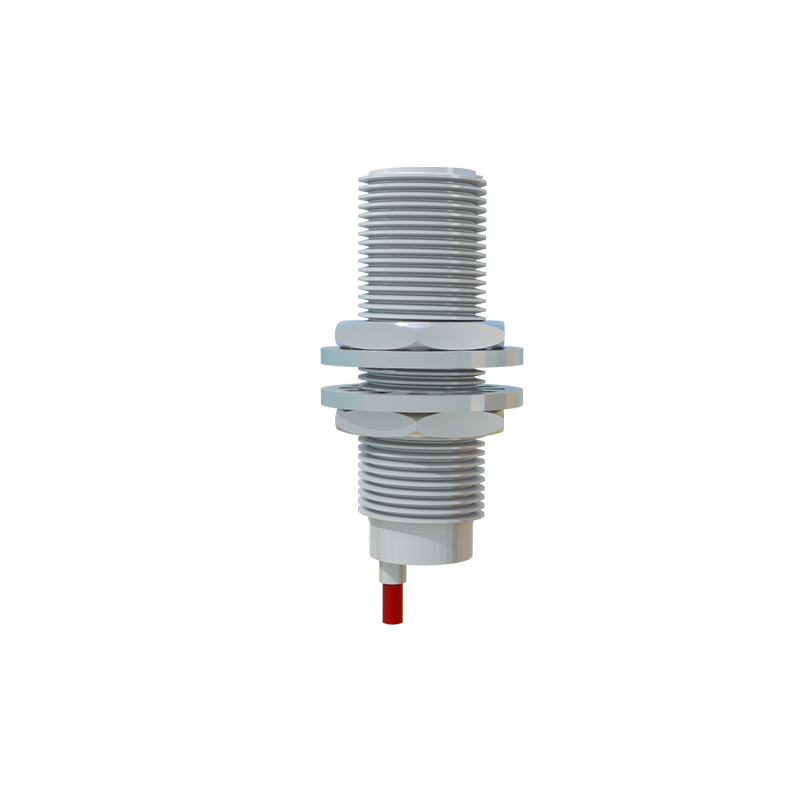
The applications of proximity light sensors are vast and integral to modern industry. On automated assembly lines, they count products, detect missing components, and verify positions. In packaging machinery, they ensure precise labeling and fill-level control. They are indispensable in material handling for detecting the presence of pallets or boxes on conveyors. Robotics rely on them for object pickup coordination and collision avoidance. Beyond traditional manufacturing, they find use in automotive for door and trunk position sensing, in consumer electronics for screen blanking during phone calls, and in safety systems as part of light curtains to protect personnel.
Selecting the right proximity light sensor requires careful consideration of the operating environment. Factors such as ambient light (sunlight, factory lighting), airborne contaminants (dust, fog, steam), and the characteristics of the target object (color, material, size, surface finish) can significantly impact performance. For instance, a shiny metallic object might cause a diffuse sensor to behave unpredictably, while a dark, absorbent material may reduce the effective sensing range. Many industrial-grade sensors incorporate features like background suppression, which uses triangulation to only detect objects within a specific foreground zone, ignoring distant backgrounds, and robust housing with high Ingress Protection (IP) ratings for use in washdown or dusty conditions.
In conclusion, proximity light sensors are sophisticated, reliable components that provide the essential "eyes" for automated systems. Their ability to perform rapid, non-contact detection across various materials and challenging environments makes them a fundamental tool for enhancing efficiency, ensuring quality, and enabling complex automation tasks. As technology advances, we see trends towards miniaturization, increased intelligence with IO-Link communication for parameter setting and diagnostics, and enhanced precision, further solidifying their role in the evolving landscape of Industry 4.0 and smart manufacturing.