In the world of automation, robotics, and smart devices, proximity sensors are the silent sentinels, detecting the presence or absence of objects without physical contact. Their ability to perform this task reliably hinges on the underlying sensing technology. Understanding the different proximity sensor sensing types is crucial for selecting the right sensor for any application, from a smartphone screen to a complex industrial assembly line. Each type operates on a distinct physical principle, offering unique advantages, limitations, and ideal use cases.
One of the most common and versatile types is the Inductive Proximity Sensor. This sensor generates an electromagnetic field. When a metallic object, typically ferrous metals like iron or steel, enters this field, it induces eddy currents within the object. The sensor detects the change in the oscillation amplitude of its internal circuit caused by these currents. Key characteristics include a relatively short sensing range, high switching frequency, and exceptional robustness against environmental factors like dust, oil, and moisture. Consequently, inductive sensors are the workhorses of industrial manufacturing, used for tasks like counting metal parts, detecting piston position in cylinders, and ensuring machine tool safety.
For non-metallic objects, Capacitive Proximity Sensors are the go-to choice. These sensors function similarly to an open capacitor. The sensor face acts as one plate, and the target object acts as the other, with the air gap as the dielectric. As an object—be it plastic, wood, liquid, glass, or even granular materials—approaches, it alters the capacitance of the circuit, triggering the output. They can detect a wider variety of materials than inductive sensors and often have a slightly longer range. This makes them ideal for applications like liquid level detection in tanks, monitoring fill levels of plastic bottles, or detecting the presence of wood or paper products. However, they can be more susceptible to environmental changes like humidity.
Ultrasonic Proximity Sensors employ sound waves beyond the range of human hearing. The sensor emits high-frequency ultrasonic pulses and measures the time it takes for the echo to return after bouncing off a target object. This time-of-flight principle allows them to measure distance with high accuracy, not just detect presence. They are excellent for detecting objects of virtually any material, shape, or color, including transparent items that confound optical sensors. Common applications include parking assist systems, bulk material level sensing in silos, and collision avoidance in automated guided vehicles (AGVs). Limitations include potential interference from temperature gradients, wind, or highly absorbent surfaces.
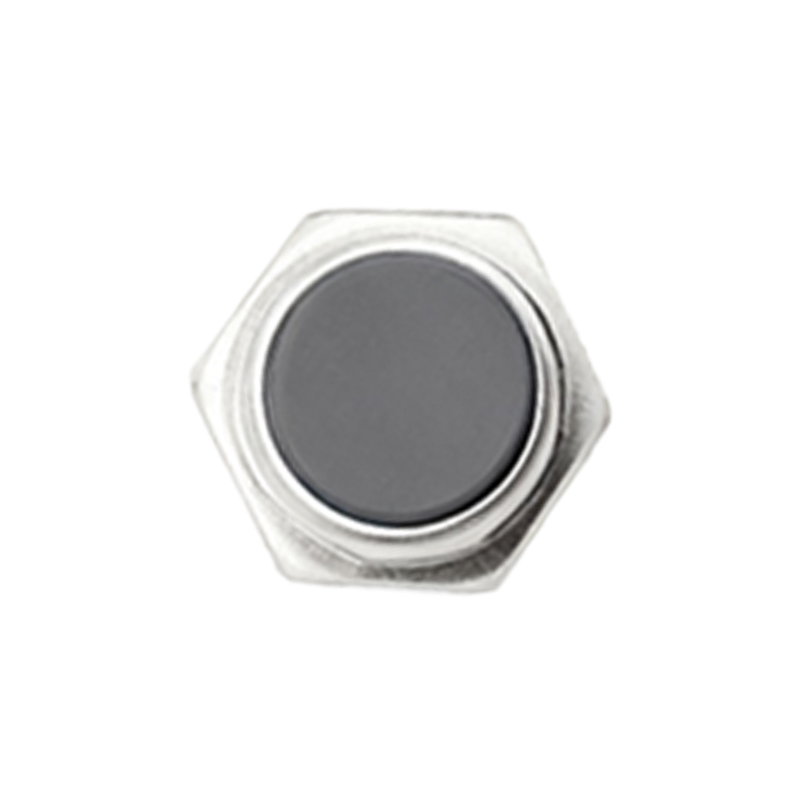
Photoelectric (Optical) Proximity Sensors use light beams, typically infrared, LED, or laser. They come in several main configurations. Through-beam sensors have separate emitter and receiver units; detection occurs when the object breaks the beam, offering the longest range and highest reliability. Retro-reflective sensors use a single unit and a reflector, detecting an object when it interrupts the beam's return path. Diffuse (reflective) sensors have the emitter and receiver in one housing and detect light reflected directly off the target object, simplifying installation but being more sensitive to the target's color and reflectivity. Photoelectric sensors are fast, have long ranges, and are great for detecting small objects. They are widely used in packaging, material handling, and consumer electronics (like the screen-off function during a phone call).
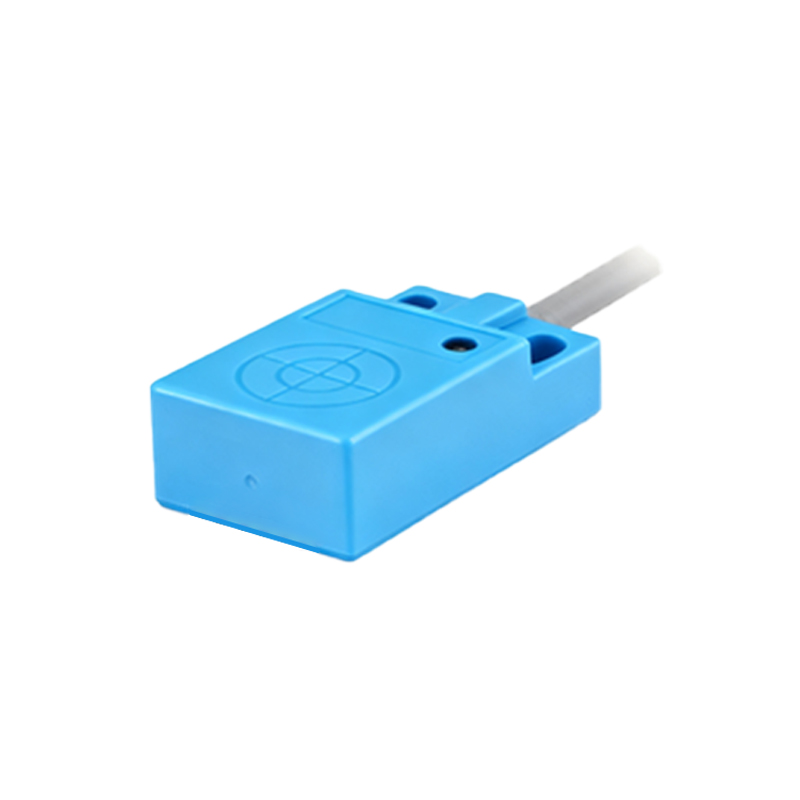
A specialized type, the Magnetic Proximity Sensor (often a Reed Switch or Hall Effect sensor), detects the presence of a permanent magnet. When the magnet approaches, it either closes a reed switch (a pair of ferromagnetic contacts sealed in glass) or triggers a voltage change in a Hall Effect chip. These sensors are completely immune to non-magnetic contaminants like dirt, water, and chips. They are exceptionally reliable for detecting the position of cylinder pistons (with an embedded magnet), in door/window security systems, and in low-power, battery-operated devices due to their passive nature (in the case of reed switches).
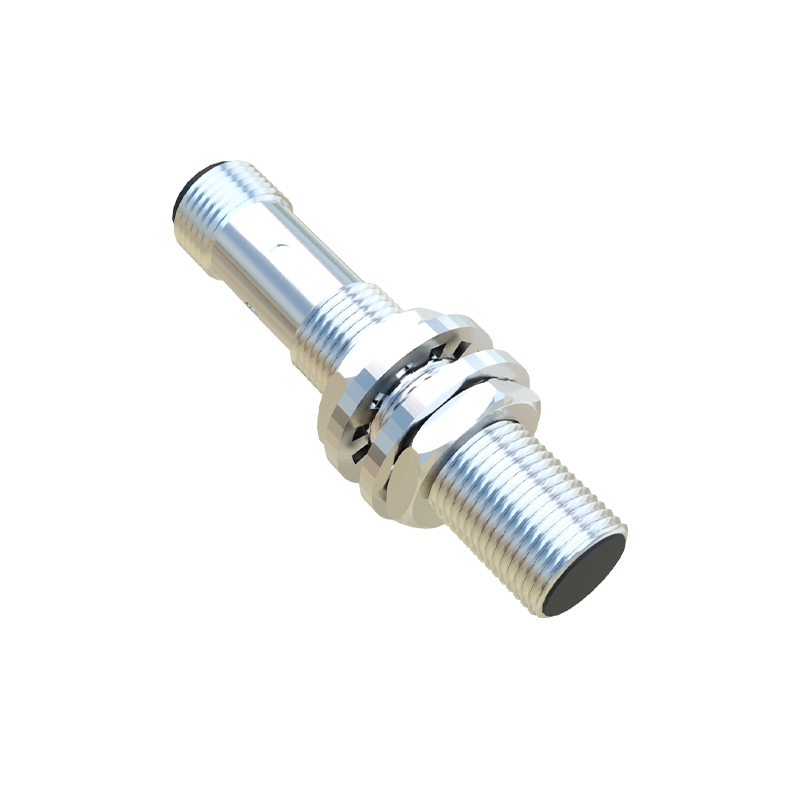
Finally, Eddy-Current Sensors represent a high-precision subset, often used for displacement and vibration measurement rather than simple on/off detection. They work on a principle similar to inductive sensors but are engineered for extreme accuracy, capable of detecting sub-micron changes in the position of conductive (usually metallic) targets. They are critical in precision machining, monitoring turbine shaft runout, and scientific instrumentation.
Selecting the correct sensing type involves a careful analysis of the target material, required sensing distance, environmental conditions (temperature, contaminants), response speed, accuracy needs, and installation constraints. By matching the fundamental physics of the sensor to the application's demands, engineers and designers can ensure reliable, efficient, and cost-effective operation, forming the foundation of countless automated and intelligent systems in our modern world.