Proximity sensors have become indispensable components in modern automation, consumer electronics, and industrial systems. Their primary function is to detect the presence or absence of an object within a specific range without any physical contact. This non-contact detection capability offers significant advantages, including reduced wear and tear, higher reliability, and the ability to sense objects in harsh or sterile environments. The core principle involves emitting a field or beam of electromagnetic radiation and analyzing changes in the return signal or field to determine an object's proximity.
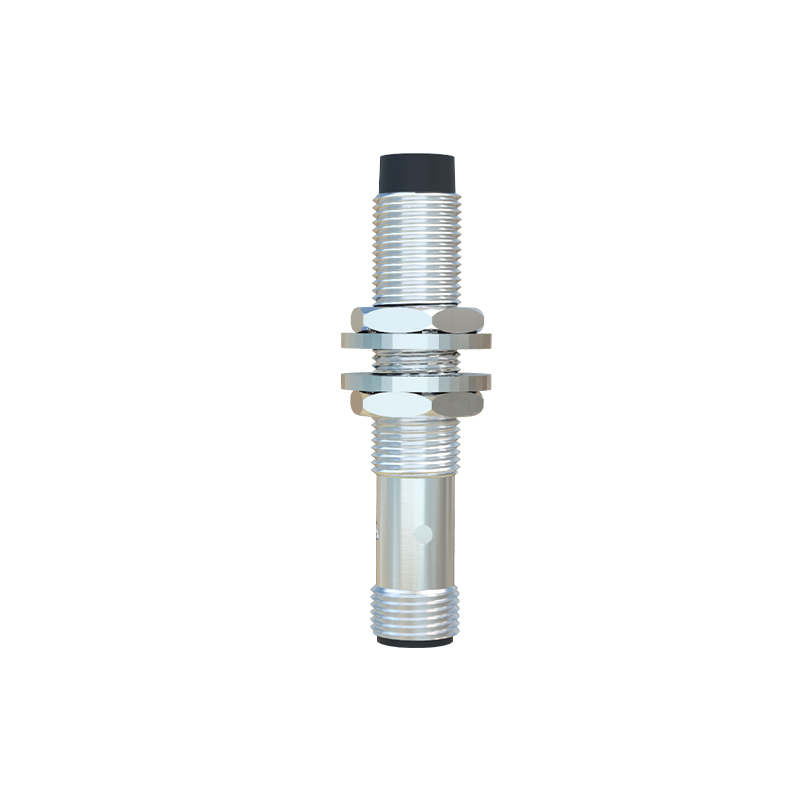
Several fundamental technologies underpin proximity detection, each with distinct operating principles and optimal use cases. Inductive sensors are widely used in industrial settings for detecting metallic objects. They generate an oscillating electromagnetic field from a coil. When a conductive metal enters this field, it induces eddy currents within the metal, which in turn dampens the sensor's oscillation. This change is detected by the sensor's circuitry, triggering an output signal. These sensors are robust, resistant to environmental factors like dust and oil, and are ideal for position sensing in machinery, counting metal parts, or as non-contact limit switches.
Capacitive sensors operate on a different principle, detecting both metallic and non-metallic materials like plastics, liquids, or wood. They function by generating an electrostatic field. Any object that enters this field alters its capacitance. The sensor monitors this capacitance change; when it exceeds a preset threshold, the sensor activates. This makes capacitive sensors versatile for applications such as liquid level detection, material handling, and touch-sensitive interfaces. However, they can be more susceptible to environmental factors like humidity.
Ultrasonic sensors utilize sound waves beyond the human hearing range. They emit high-frequency ultrasonic pulses and measure the time it takes for the echo to return after bouncing off an object. By calculating this time-of-flight, the sensor can determine the distance to the object with high accuracy. This technology is excellent for detecting objects of various materials, shapes, and colors, and is commonly used in parking assist systems, tank level monitoring, and collision avoidance in robotics.
Photoelectric sensors, another major category, employ light beams. They consist of a light emitter (usually an LED or laser diode) and a receiver. There are three main types: through-beam (where the object breaks a beam between separate emitter and receiver units), retro-reflective (the object breaks a beam reflected back from a reflector), and diffuse (the sensor detects light scattered back directly from the object). Photoelectric sensors offer long detection ranges and fast response times, making them suitable for packaging lines, object counting, and security systems.
Magnetic proximity sensors, often referred to as reed switches or Hall-effect sensors, detect the presence of a magnetic field. Reed switches use ferromagnetic reeds that contact each other when a magnet is near. Hall-effect sensors produce a voltage change when exposed to a magnetic field. These are frequently used for detecting the position of doors, cylinders, or any moving part with an attached magnet, prized for their simplicity and reliability in low-power applications.
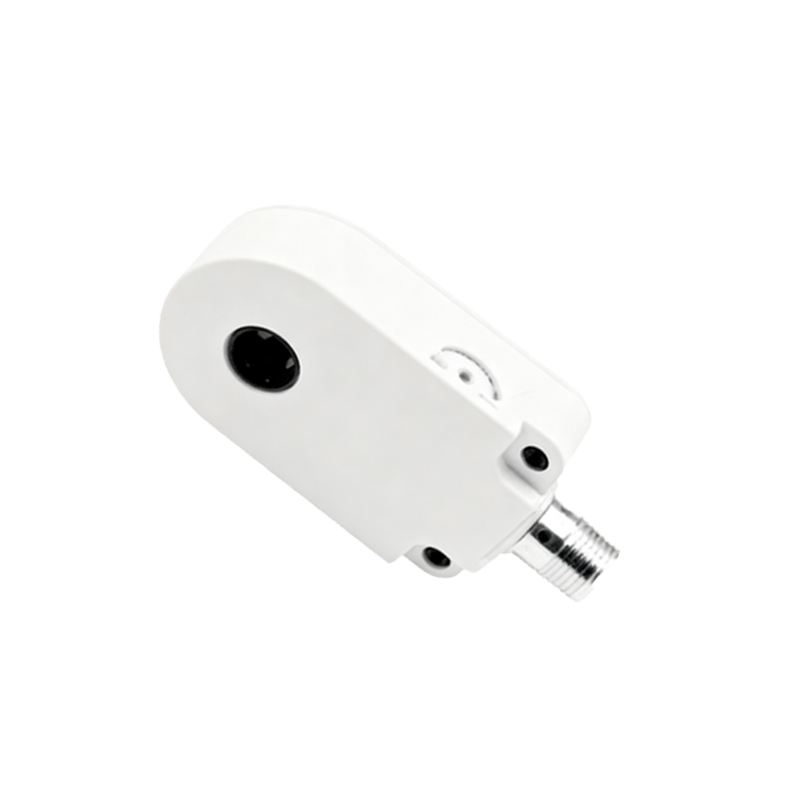
The selection of the appropriate proximity sensor depends on a careful analysis of the application requirements. Key factors include the target material (metal, plastic, liquid), required sensing distance, environmental conditions (temperature, presence of contaminants, humidity), response speed, output type (digital on/off or analog distance), and installation constraints. For instance, an inductive sensor is ineffective for detecting a plastic bottle, while an ultrasonic sensor might be overkill for simply detecting a metal gear tooth at close range.
Applications are vast and growing. In automotive systems, they enable keyless entry, parking assistance, and occupant detection for airbag deployment. In smartphones and tablets, they deactivate the touchscreen during a call to prevent accidental inputs. Industrial automation relies on them for precise positioning, robotic guidance, and safety interlocks on machinery guards. Consumer appliances use them for touchless faucets and automatic soap dispensers, promoting hygiene.
Implementing proximity detection effectively requires more than just selecting a sensor. Proper installation is critical to avoid false triggers from background objects or environmental noise. Shielding, alignment, and environmental compensation are often necessary. Furthermore, integrating the sensor with control systems via standard interfaces (like PNP/NPN outputs, IO-Link, or analog 4-20mA) ensures seamless communication for process control and data acquisition.
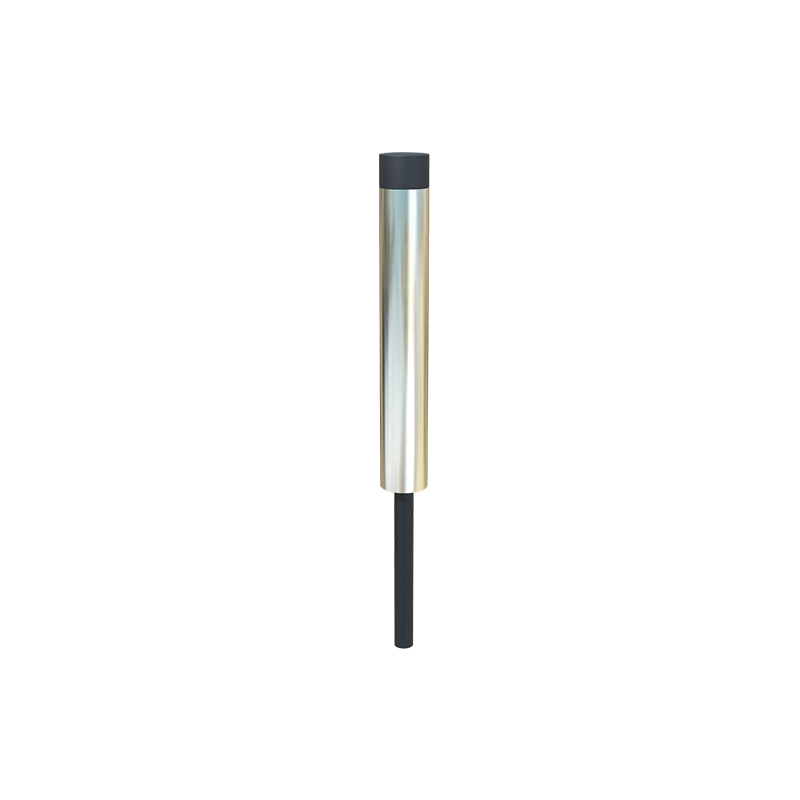
As technology advances, proximity sensors are becoming smarter, smaller, and more integrated. Developments in MEMS (Micro-Electro-Mechanical Systems) technology, improved algorithms for signal processing, and the integration of wireless connectivity are expanding their capabilities. The future points toward multi-sensor fusion, where data from proximity sensors is combined with vision systems or inertial measurement units to create richer contextual awareness for autonomous systems and the Internet of Things (IoT). This evolution will continue to drive innovation, making machines more interactive, efficient, and safe by giving them a reliable sense of their immediate surroundings.