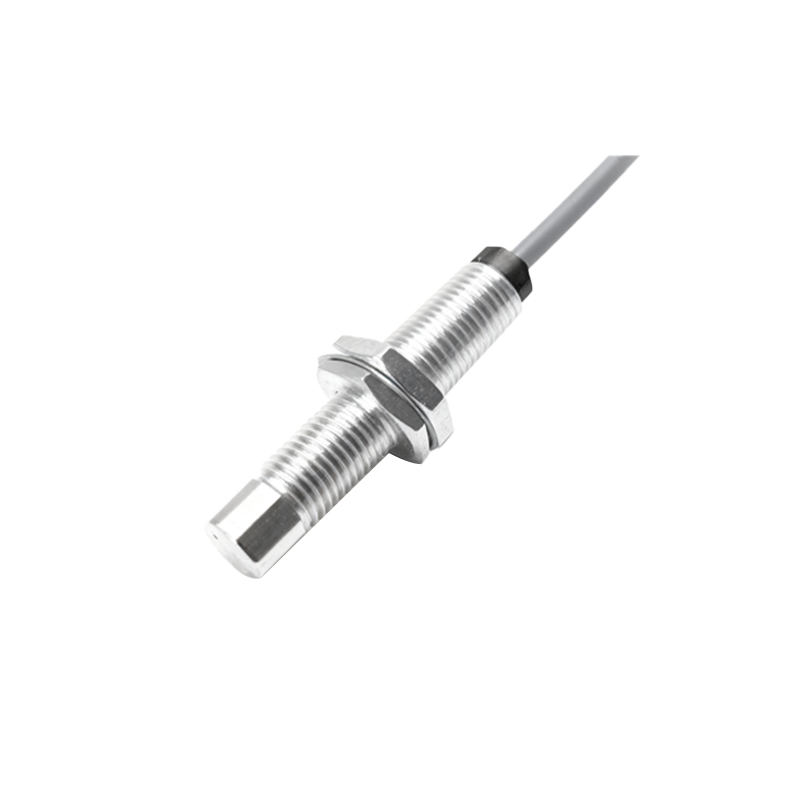
In the demanding landscape of modern industrial automation, the reliability of sensing components under extreme conditions is paramount. Miniature proximity sensors, known for their compact size and precise detection capabilities, face significant challenges when deployed in high-temperature environments. This article delves into the technical aspects, material science, and application strategies that enable these tiny workhorses to maintain functionality and accuracy even when temperatures soar.
The core challenge for miniature proximity sensors in high-temperature settings lies in the inherent limitations of their electronic and material components. Standard sensors typically operate within a range of -25°C to 70°C. However, processes in industries like metal casting, glass manufacturing, automotive engine testing, and semiconductor fabrication often expose equipment to ambient temperatures exceeding 100°C, with localized heat spikes going much higher. Prolonged exposure to such heat can lead to premature failure through several mechanisms: semiconductor degradation in the oscillator and amplifier circuits, demagnetization of inductive cores, deformation of plastic housings, and breakdown of potting compounds or cable insulation.
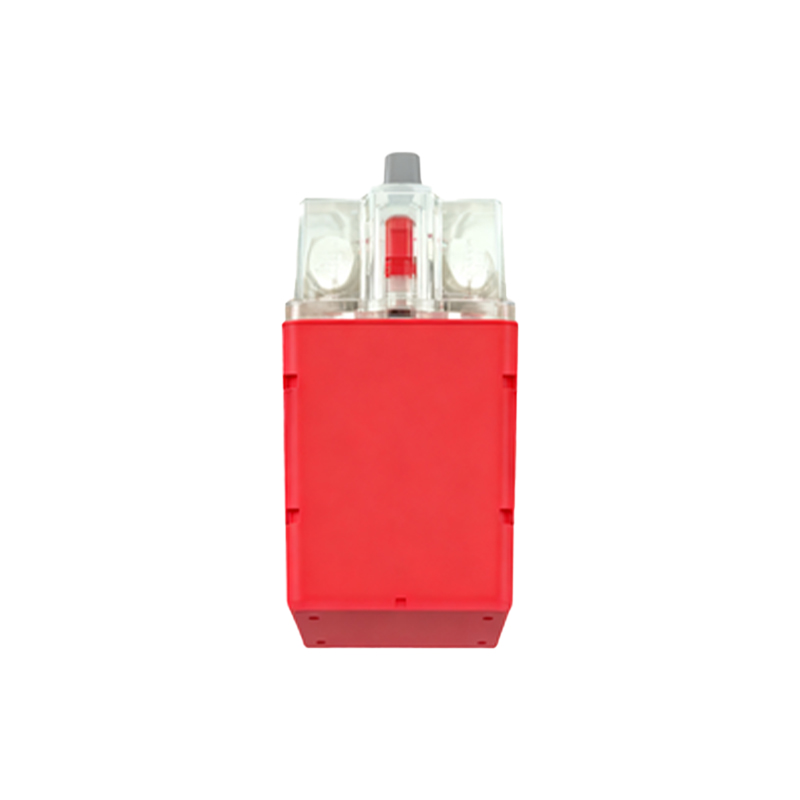
To combat these issues, manufacturers employ a multi-faceted engineering approach. The first line of defense is the selection of high-temperature-resistant materials. Housings are constructed from advanced thermoplastics like PEEK (Polyether Ether Ketone) or LCP (Liquid Crystal Polymer), which can withstand continuous temperatures above 200°C. For the most severe applications, metal casings, often from stainless steel, provide robust protection. Internally, high-temperature solder alloys with higher melting points replace standard lead-free solder to maintain electrical connections. The sensing face, critical for inductive or capacitive models, may utilize ceramic materials known for their thermal stability and low thermal expansion coefficient.
The electronic design is equally critical. Components such as ASICs (Application-Specific Integrated Circuits) and passive elements are specifically rated for high-temperature operation, often utilizing silicon-on-insulator (SOI) technology to reduce leakage current at elevated temperatures. Thermal management is integrated into the design, not as an afterthought. This includes designing PCB layouts to minimize heat concentration, using thermally conductive potting materials to dissipate heat away from sensitive chips, and in some cases, incorporating minimal metallic heat sinks within the constrained form factor.
Furthermore, the sensing technology itself is optimized. Inductive proximity sensors, the most common type for metal detection, may use specialized coil winding techniques and core materials that maintain stable magnetic properties at high temperatures. The oscillator circuit is calibrated with temperature-compensating algorithms to ensure the switching point does not drift as the ambient temperature fluctuates. For capacitive models, which detect non-metallic objects, the dielectric properties of materials are carefully modeled across the intended temperature range to guarantee consistent sensitivity.
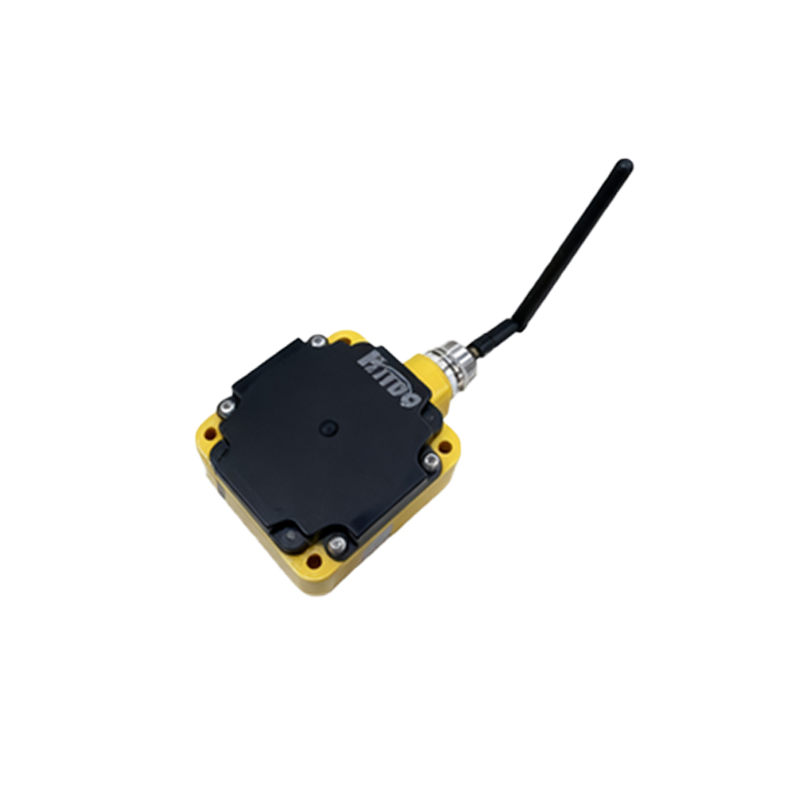
Installation and application practices play a decisive role in real-world performance. Even a sensor rated for 150°C can fail if installed improperly. Key recommendations include ensuring adequate air circulation around the sensor body, using thermally insulated mounting brackets to reduce heat conduction from the hot machine part to the sensor, and selecting high-temperature cables with PTFE (Teflon) insulation. Maintaining a safe distance from direct radiant heat sources, such as furnace openings or molten material, is also crucial. In some cases, a simple passive heat shield can dramatically extend the sensor's service life.
Regular maintenance and condition monitoring are essential. Users should monitor the sensor's operating temperature relative to its datasheet specifications and check for physical signs of thermal stress, such as discoloration, cracking, or softening of materials. Implementing predictive maintenance schedules based on the cumulative thermal exposure can prevent unplanned downtime.
In conclusion, the successful deployment of miniature proximity sensors in high-temperature environments is not merely a matter of selecting a product with a higher temperature rating. It requires a holistic understanding of the thermal challenges, informed selection of sensors built with specialized materials and electronics, and diligent attention to installation and operational practices. As industrial processes push the boundaries of efficiency and temperature, the continuous innovation in sensor technology ensures that these miniature devices remain reliable sentinels in the heart of the heat.