In the rapidly evolving landscape of industrial automation and smart manufacturing, millimeter-level proximity sensors have become indispensable components. These high-precision devices, capable of detecting the presence or absence of an object within a few millimeters without physical contact, are critical for applications requiring extreme accuracy, such as robotic assembly, semiconductor handling, and precision machining. For procurement specialists, design engineers, and project managers, understanding the factors that determine the factory price of these sensors is crucial for effective budgeting and sourcing. This article delves into the key cost drivers and market dynamics.
The factory price of a millimeter-level proximity sensor is not a single figure but a spectrum influenced by a complex interplay of technical specifications, manufacturing processes, and supply chain factors. At its core, the sensing technology itself is a primary cost determinant. Inductive sensors, ideal for detecting metallic objects, generally occupy a lower price point compared to capacitive sensors (for non-metallic materials) or the more advanced laser-based or ultrasonic variants that offer sub-millimeter resolution. The choice between analog output (e.g., 4-20mA, 0-10V) and digital interfaces (e.g., IO-Link, PNP/NPN) also significantly impacts cost, with smart sensors featuring digital communication and diagnostics commanding a premium.
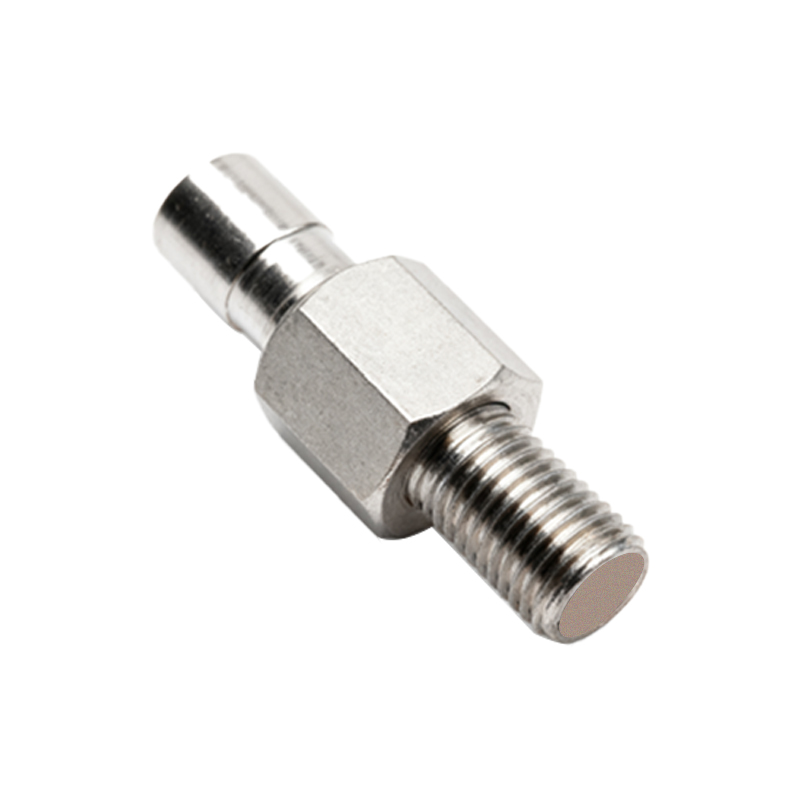
Performance parameters directly correlate with price. Sensing range, while typically short (e.g., 2mm, 5mm, 8mm), requires precise calibration; a sensor with a 1mm range and ±0.1mm repeatability will be more expensive than one with 5mm range and ±0.5mm repeatability. The housing material is another critical factor. Standard cylindrical brass or stainless-steel housings are cost-effective, but sensors designed for harsh environments—featuring high-grade stainless steel (e.g., V4A/316L), specialized coatings for chemical resistance, or increased IP (Ingress Protection) ratings like IP67 or IP69K—incur higher material and machining costs. The manufacturing complexity of miniaturized sensors for tight spaces also adds to the price.
Production volume is a universal economic principle. Original Equipment Manufacturers (OEMs) placing large, recurring orders benefit from significantly lower per-unit costs due to economies of scale, optimized production runs, and long-term supplier agreements. Conversely, small-batch purchases or one-off orders for custom specifications (e.g., special cable length, connector type, or form factor) will have a higher factory price to account for setup and low-volume production inefficiencies. The geographic origin of manufacturing also plays a role. While sensors produced in regions with lower labor costs may offer initial price advantages, total cost of ownership must consider factors like logistics, import duties, and the reputation of the manufacturer for quality and reliability.
The competitive landscape shapes market pricing. Established global brands like Sick, Pepperl+Fuchs, Omron, and Balluff invest heavily in R&D, rigorous testing, and global support networks. Their sensors often carry a brand premium justified by proven durability, extensive certification (e.g., CE, UL), and comprehensive technical support. Meanwhile, numerous specialized and value-oriented manufacturers offer competitive alternatives, potentially at a lower factory price, though due diligence on performance consistency and longevity is essential. The integration of advanced features, such as condition monitoring, temperature compensation, and enhanced noise immunity, further differentiates products and their price tags.
In conclusion, the factory price of a millimeter-level proximity sensor is a reflection of its technological sophistication, performance guarantees, robustness, and the commercial context of its purchase. Professionals are advised to move beyond a simplistic focus on the initial unit cost. A holistic evaluation should include the total cost of ownership, factoring in installation ease, maintenance needs, failure rates, and the sensor's impact on overall system productivity and quality. Engaging in early dialogue with reputable suppliers or distributors to discuss specific application needs and volume expectations is the most effective strategy to secure a favorable and justified price for these precision components.