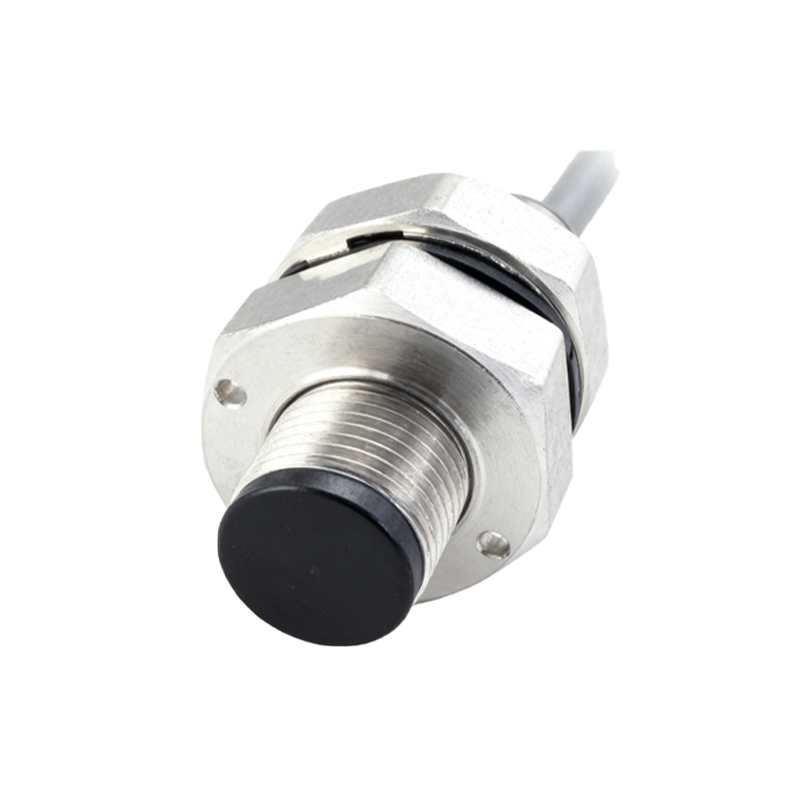
In the rapidly evolving landscape of industrial automation, smart proximity sensors have emerged as a cornerstone technology, driving efficiency, safety, and intelligence in manufacturing and beyond. Unlike traditional sensors that merely detect the presence or absence of an object, smart proximity sensors integrate advanced functionalities such as data processing, communication capabilities, and self-diagnostics, transforming raw detection into actionable insights. These sensors utilize various technologies, including inductive, capacitive, ultrasonic, and photoelectric principles, to detect objects without physical contact, making them ideal for harsh environments where durability and reliability are paramount.
One of the most significant advantages of smart proximity sensors is their ability to communicate within the Industrial Internet of Things (IIoT) ecosystem. Equipped with interfaces like IO-Link, Ethernet/IP, or PROFINET, they can transmit real-time data on parameters such as distance, temperature, and operational status to centralized control systems. This connectivity enables predictive maintenance, as sensors can alert operators to potential failures before they occur, reducing downtime and maintenance costs. For instance, a smart inductive sensor in an automotive assembly line can monitor its own performance and signal when wear and tear might affect accuracy, allowing for timely replacements without disrupting production.
Moreover, the integration of artificial intelligence and machine learning algorithms has further enhanced the capabilities of these sensors. They can now adapt to changing environmental conditions, learn from historical data to optimize detection thresholds, and even differentiate between materials or object types. In logistics and warehousing, smart capacitive sensors can distinguish between packaging materials and products, improving sorting accuracy and reducing errors. This level of intelligence not only boosts operational efficiency but also contributes to energy savings by minimizing false triggers and optimizing sensor activation cycles.
The application scope of smart proximity sensors extends across diverse industries. In manufacturing, they are used for precise positioning of robotic arms, ensuring seamless assembly processes. In the food and beverage sector, hygienic designs with stainless steel housings prevent contamination while detecting containers on conveyor belts. Automotive plants rely on them for safety interlocks on machinery, protecting workers from hazardous movements. Additionally, in smart buildings, these sensors enable touchless controls for lighting and doors, enhancing hygiene and convenience.
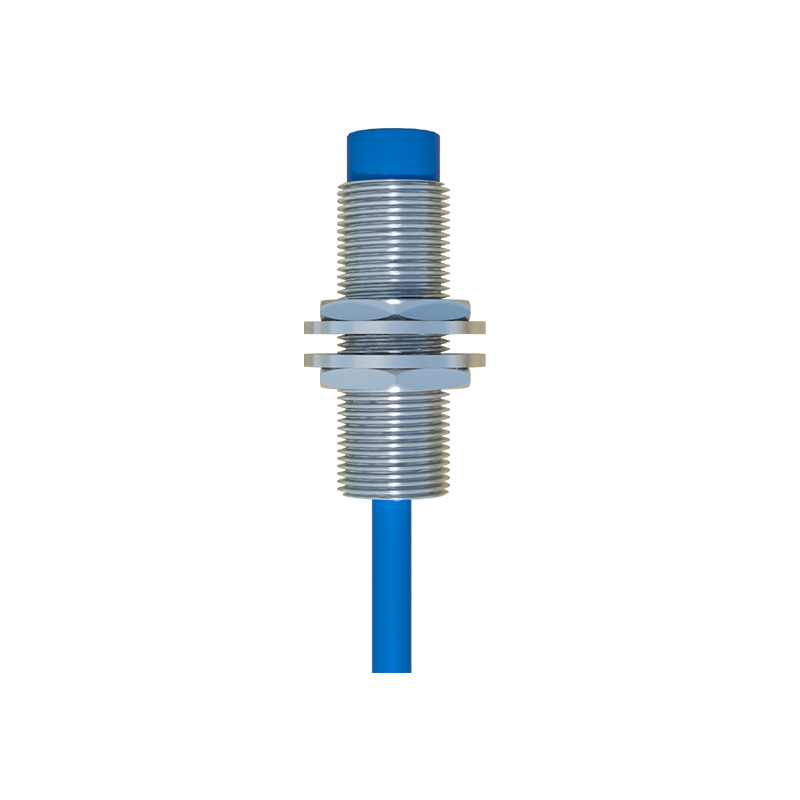
Despite their benefits, implementing smart proximity sensors requires careful consideration of factors like environmental interference, mounting configurations, and compatibility with existing systems. Electromagnetic noise in industrial settings can affect inductive sensors, while dust or moisture may challenge photoelectric types. However, advancements in shielding and housing materials have mitigated many of these issues, making modern sensors more robust than ever.
Looking ahead, the future of smart proximity sensors lies in further miniaturization, increased energy efficiency, and enhanced cybersecurity features to protect data integrity in connected networks. As industries continue to embrace Industry 4.0, these sensors will play a pivotal role in creating fully autonomous, data-driven operations. By bridging the gap between physical processes and digital control, smart proximity sensors are not just components but enablers of a smarter, more responsive industrial world. Their evolution reflects a broader trend toward intelligent sensing, where every detection point contributes to a cohesive, optimized system. For engineers and decision-makers, investing in this technology is a step toward future-proofing operations and unlocking new levels of productivity.