In the realm of industrial automation and control systems, proximity sensors play a pivotal role in detecting the presence or absence of objects without physical contact. Among these, passive proximity sensors stand out due to their simplicity, reliability, and cost-effectiveness. Unlike active sensors that emit energy and measure the response, passive sensors operate by detecting changes in natural fields or energy emitted by the target itself. This article delves into the fundamental principles, types, and applications of passive proximity sensors, providing a comprehensive overview for engineers and technicians in the electrical and automation industries.
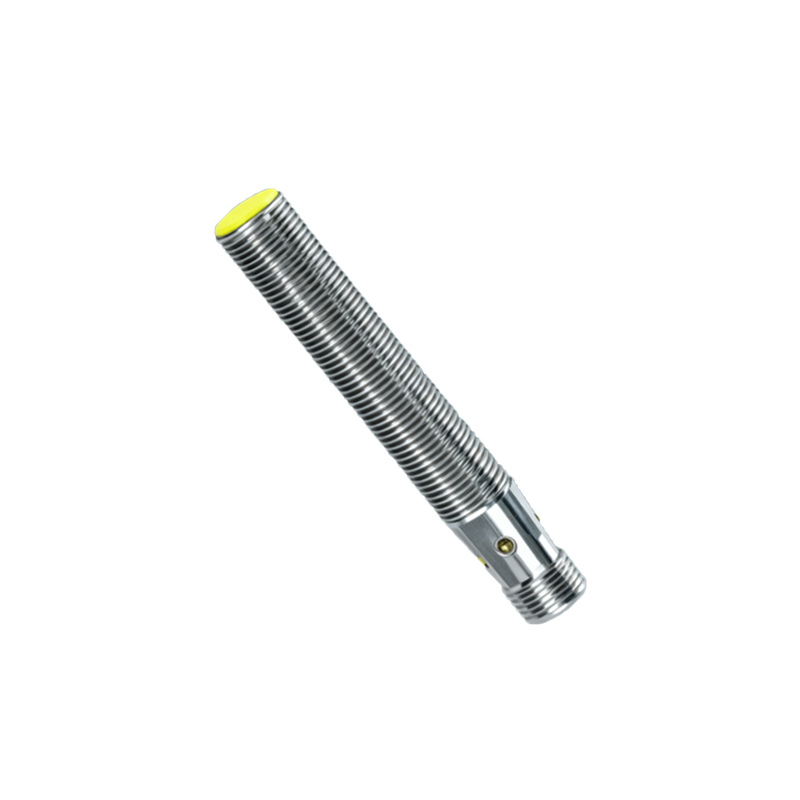
Passive proximity sensors primarily rely on electromagnetic or capacitive principles to function. The most common type is the inductive proximity sensor, which detects metallic objects. It consists of a coil wound around a ferrite core, an oscillator, a detection circuit, and an output stage. When an alternating current passes through the coil, it generates an oscillating electromagnetic field around the sensor head. In the absence of a metallic target, the oscillator maintains a constant amplitude. However, when a conductive metal object enters this field, eddy currents are induced on the surface of the object. These eddy currents draw energy from the oscillator, causing a reduction in its amplitude. The detection circuit monitors this change and triggers the output stage to switch states, indicating the presence of the object. The sensing range depends on factors like the coil design, oscillator frequency, and the material's conductivity and permeability. Typically, inductive sensors are effective for ranges up to a few centimeters and are ideal for detecting ferrous metals such as iron and steel, though they can also sense non-ferrous metals like aluminum or copper with adjusted sensitivity.
Another prevalent type is the capacitive passive proximity sensor, which can detect both metallic and non-metallic objects, including liquids, plastics, and wood. It operates by measuring changes in capacitance between the sensor electrode and the target. The sensor forms one plate of a capacitor, with the target acting as the other plate, and the air gap serving as the dielectric. When an object approaches, the capacitance increases due to the alteration in the dielectric properties or the reduction in distance. An internal circuit converts this capacitance change into a voltage or frequency shift, which is then processed to activate the output. Capacitive sensors are versatile and can sense through non-conductive materials, making them suitable for level detection, material handling, and packaging applications. However, they are sensitive to environmental factors like humidity and temperature, requiring careful calibration.
Passive infrared (PIR) sensors represent another category, commonly used in security and lighting systems. These sensors detect infrared radiation emitted by warm objects, such as humans or animals. They contain pyroelectric materials that generate an electrical charge when exposed to heat variations. When a moving object enters the sensor's field of view, it causes a change in the infrared pattern, triggering an output signal. PIR sensors are energy-efficient and do not emit any radiation, relying solely on ambient heat signatures.
The advantages of passive proximity sensors include low power consumption, as they do not generate their own energy fields actively, and robustness in harsh environments, with many models offering high resistance to dust, moisture, and vibration. They are widely applied in manufacturing for position sensing, object counting, and safety interlocks. For instance, in conveyor systems, inductive sensors detect metal parts to control sorting mechanisms, while capacitive sensors monitor fluid levels in tanks. In automotive assembly, passive sensors ensure precise component placement, enhancing efficiency and quality control.
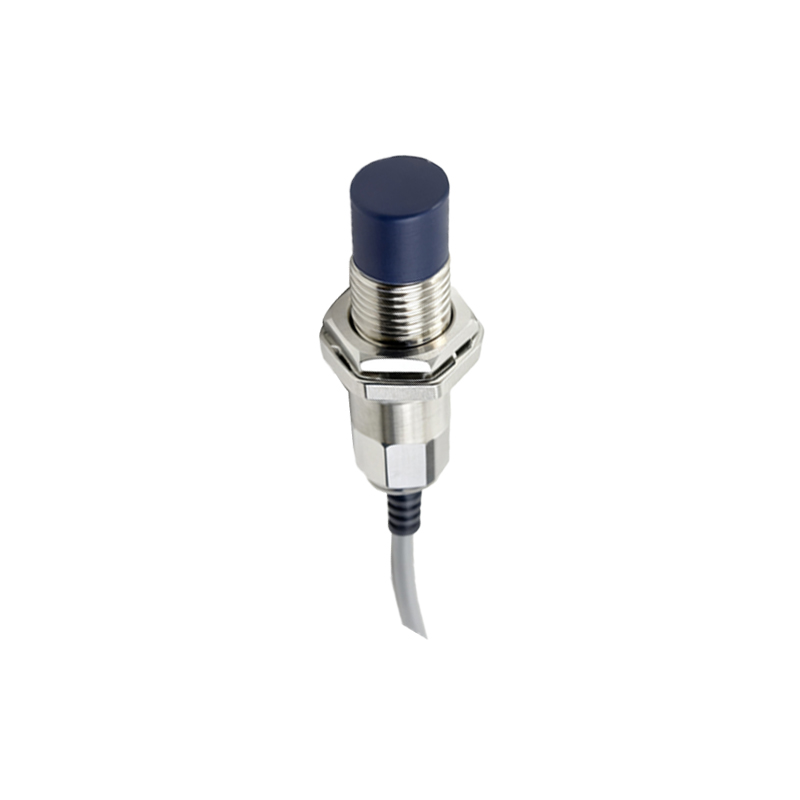
Despite their benefits, passive sensors have limitations. Inductive sensors are restricted to metallic targets, and capacitive sensors can be affected by environmental interferences. Proper selection based on the target material, sensing distance, and operating conditions is crucial for optimal performance. Engineers must consider factors like switching frequency, output type (e.g., NPN or PNP), and housing material to match specific application needs.
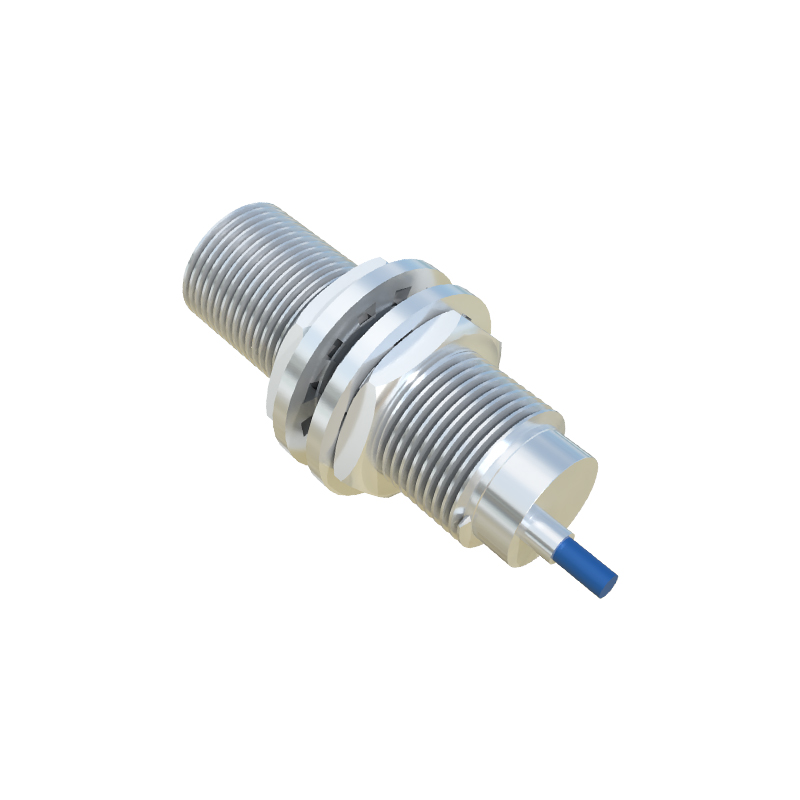
In summary, passive proximity sensors are indispensable tools in modern automation, offering contactless detection through electromagnetic, capacitive, or infrared principles. Their design simplicity and adaptability make them a cornerstone in industries ranging from electronics to heavy machinery. As technology advances, innovations in materials and circuitry continue to expand their capabilities, ensuring their relevance in the evolving landscape of industrial engineering.