In the rapidly evolving landscape of industrial automation and smart technology, proximity sensors have become indispensable components. These devices, which detect the presence or absence of an object without physical contact, are critical for enhancing efficiency, safety, and precision in countless applications. From automotive assembly lines and packaging machinery to consumer electronics and robotics, the demand for reliable proximity sensors continues to grow. This article provides an overview of leading proximity sensor manufacturers and suppliers that are shaping the industry with innovative solutions.
One of the most prominent names in the sensor industry is Sick AG. Headquartered in Germany, Sick is renowned for its high-performance sensors and sensor solutions. The company offers a comprehensive range of proximity sensors, including inductive, capacitive, and magnetic variants. Sick's products are known for their robustness, accuracy, and ability to operate in harsh industrial environments. Their focus on research and development ensures that they remain at the forefront of technology, providing solutions for Industry 4.0 and IoT integration.
Another key player is Omron Corporation, a Japanese electronics giant. Omron's proximity sensor portfolio is extensive, catering to diverse industrial needs. Their inductive proximity sensors, in particular, are praised for their durability and high-speed detection capabilities. Omron emphasizes miniaturization and energy efficiency, making their sensors suitable for compact and power-sensitive applications. With a global distribution network, Omron provides strong technical support and customization options to meet specific client requirements.
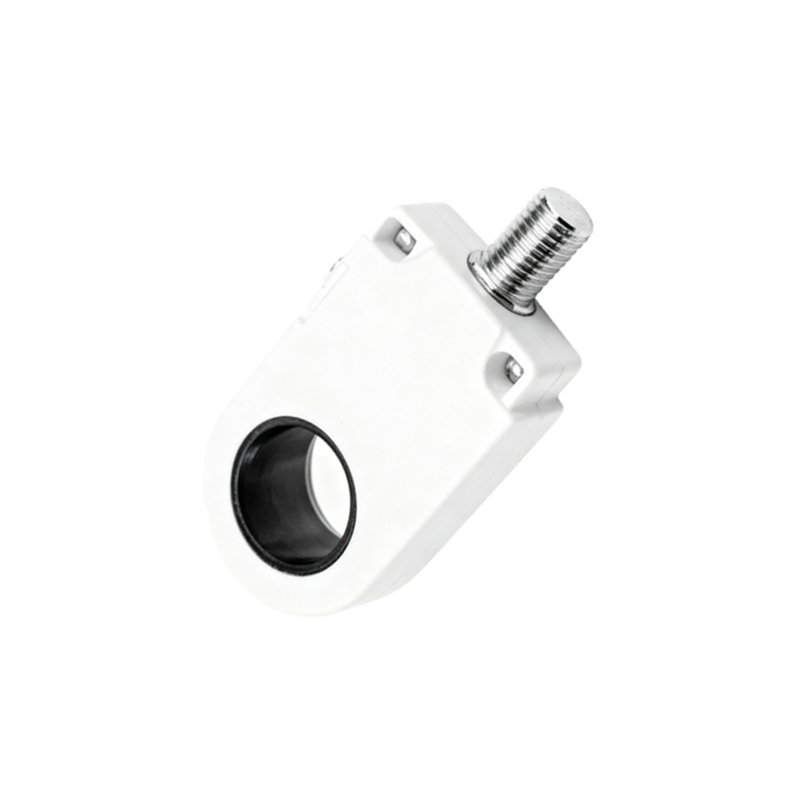
Pepperl+Fuchs, also based in Germany, is a specialist in sensor technology and intrinsic safety. The company excels in producing proximity sensors for explosive and hazardous areas, making them a preferred choice for industries like oil and gas, chemical, and pharmaceuticals. Their capacitive and inductive sensors are designed with a focus on reliability and long service life. Pepperl+Fuchs is also a leader in developing innovative connection technologies and modular systems that simplify installation and maintenance.
From the United States, Rockwell Automation stands out as a major supplier. Through its Allen-Bradley brand, Rockwell offers a wide array of proximity sensors integrated into its broader automation ecosystem. These sensors are engineered for seamless compatibility with Rockwell's programmable logic controllers (PLCs) and other control systems. This integration simplifies system design and enhances overall operational coherence, which is highly valued in large-scale manufacturing setups.
Balluff GmbH, another German sensor manufacturer, is recognized for its high-quality and innovative proximity sensing solutions. Balluff provides a diverse product line that includes miniature sensors, analog sensors, and sensors with IO-Link communication capabilities. Their focus on smart sensor technology enables predictive maintenance and data exchange, aligning with modern smart factory concepts. Balluff's global presence ensures timely delivery and localized customer service.
In addition to these established giants, several other noteworthy companies contribute significantly to the market. Turck, a German-based leader, offers rugged and versatile proximity sensors known for their high immunity to electromagnetic interference. ifm electronic, also from Germany, provides efficient and user-friendly sensors with advanced diagnostic features. Keyence Corporation from Japan is famous for its high-precision and innovative sensor designs, often incorporating advanced optics and laser technology for specialized proximity detection tasks.
When selecting a proximity sensor supplier, several factors should be considered. Technical specifications such as sensing range, output type (PNP/NPN, analog, IO-Link), housing material, and environmental ratings (IP, NEMA) are paramount. Industry certifications (e.g., ATEX, IECEx for hazardous areas) ensure compliance with safety standards. Furthermore, supply chain reliability, technical support, and value-added services like customization and training play crucial roles in the decision-making process.
The future of proximity sensors is closely tied to trends in miniaturization, wireless connectivity, and intelligence. Manufacturers are increasingly embedding self-diagnostic functions, energy-harvesting capabilities, and enhanced communication protocols like IO-Link and OPC UA. These advancements facilitate deeper integration into Industrial Internet of Things (IIoT) frameworks, enabling real-time monitoring, data analytics, and improved system interoperability.
In conclusion, the landscape of proximity sensor manufacturers is dynamic and competitive, driven by technological innovation and industrial demand. Companies like Sick, Omron, Pepperl+Fuchs, Rockwell Automation, and Balluff lead the market with their specialized expertise and comprehensive solutions. By understanding the offerings and strengths of these key suppliers, engineers and procurement professionals can make informed choices to optimize their automation systems for performance, reliability, and future readiness.