In the realm of industrial automation, reliable and durable sensing solutions are paramount. Among the various technologies available, magnetic inductive proximity switches stand out for their robustness, non-contact operation, and exceptional performance in harsh environments. This article delves into the working principles, key characteristics, diverse applications, and critical selection criteria for these indispensable sensors.
At its core, a magnetic inductive proximity switch is a solid-state electronic device designed to detect the presence or absence of ferromagnetic objects—primarily iron and steel—without any physical contact. The fundamental operating principle is based on electromagnetic induction. The sensor contains a coil that is part of an oscillator circuit, generating a high-frequency alternating magnetic field at its active face. When a ferromagnetic target enters this field, eddy currents are induced on the target's surface. This causes a change in the oscillation amplitude within the sensor's coil. An integrated evaluation circuit detects this damping effect and triggers a switching signal, typically by changing the state of a solid-state output (PNP, NPN, or Namur).
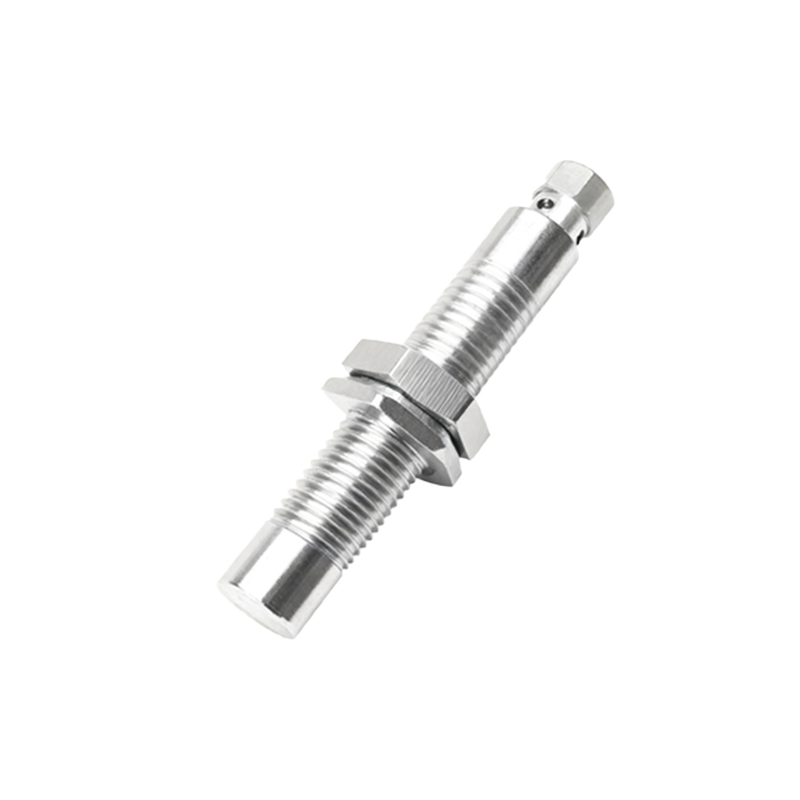
One of the most significant advantages of magnetic inductive sensors is their remarkable resilience. They are inherently immune to environmental contaminants such as dust, dirt, oil, and moisture. Unlike optical sensors, their operation is unaffected by opaque media or accumulated grime on the sensing face. Furthermore, they are completely encapsulated, often in robust housings made of stainless steel, nickel-plated brass, or high-grade plastics like PBT, offering high degrees of protection (commonly IP67, IP68, or IP69K). This makes them ideal for demanding applications in machine tools, mobile hydraulics, welding equipment, and heavy machinery where coolant, metal chips, and extreme vibrations are commonplace.
The applications for magnetic inductive proximity switches are vast and varied. A classic use is in cylinder position sensing, where a sensor detects a permanent magnet embedded in the piston of a pneumatic or hydraulic cylinder, providing precise feedback on the cylinder's extended or retracted position. They are extensively used for rotational speed monitoring, such as counting gear teeth or detecting bolts on a rotating flange. In material handling, they detect the presence of metal parts on conveyors. Safety-related applications include position verification on guards and doors. Their ability to function reliably in submerged conditions also makes them suitable for use in washdown areas within the food and beverage or pharmaceutical industries.
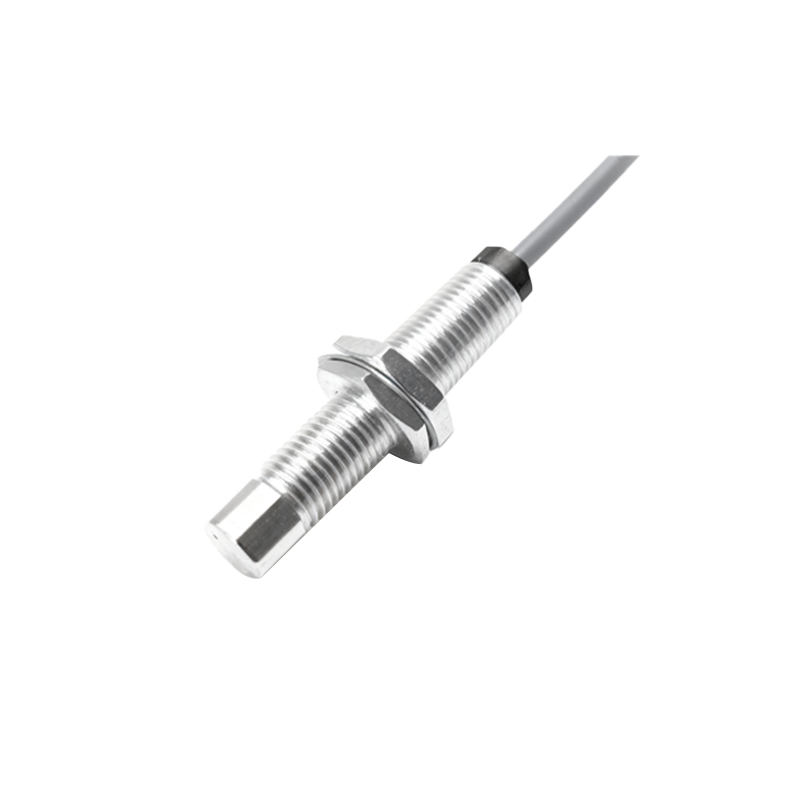
When selecting a magnetic inductive proximity switch, several key parameters must be carefully considered to ensure optimal performance and system integration. First is the sensing distance, which is standardized (e.g., Sn). It is crucial to note that the effective switching distance can be reduced for non-ideal targets like thin steel or different metals. The target material must be ferromagnetic; these sensors will not detect aluminum, copper, brass, or non-metals. The housing style and size are critical for mechanical integration—common forms include cylindrical barrels (e.g., M8, M12, M18, M30 threaded barrels) and rectangular or block-style housings. Electrical characteristics are equally important: the output type (PNP normally open/closed, NPN, analog, or Namur for intrinsically safe circuits), supply voltage range (commonly 10-30V DC or wider), and current rating must match the control system's requirements. Switching frequency defines how quickly the sensor can respond to targets passing by, a vital factor for high-speed counting applications. Finally, environmental ratings for temperature range, pressure resistance, and chemical compatibility must align with the operating conditions.
Installation and configuration also demand attention. Maintaining the proper mounting clearance between adjacent sensors and between the sensor and metal mounting surfaces is essential to prevent mutual interference and ensure the rated sensing distance is achieved. For cylinder sensors, the orientation of the magnet within the piston and the sensor's magnetic operating point must be correctly aligned.
In conclusion, magnetic inductive proximity switches are a cornerstone technology in modern industrial control systems. Their simple yet effective operating principle, combined with unparalleled durability and reliability, ensures their continued dominance in applications involving ferrous metal detection. A thorough understanding of their specifications, limitations, and installation requirements empowers engineers and technicians to deploy these sensors effectively, enhancing machine performance, safety, and uptime across countless industries. As automation evolves, these robust sensors will undoubtedly remain a critical link between the physical movement of machinery and the digital world of control.