In industrial automation and machinery control, proximity sensors are indispensable components designed to detect the presence or absence of objects without physical contact. However, a common and frustrating issue faced by engineers and technicians is when these sensors "fail to limit" properly—meaning they do not accurately restrict or control machinery movement within set parameters. This malfunction can lead to operational inefficiencies, safety hazards, and costly downtime. Understanding the root causes and implementing effective solutions is crucial for maintaining system reliability.
One primary reason proximity sensors may fail to limit is environmental interference. Industrial settings often expose sensors to extreme conditions such as high temperatures, humidity, dust, or chemical contaminants. For instance, metallic dust accumulating on an inductive proximity sensor can cause false triggering or reduced sensing range, leading to inaccurate limit detection. Similarly, in outdoor applications, moisture ingress can corrode internal components, impairing functionality. Regular maintenance, including cleaning and using sensors with appropriate IP ratings, can mitigate these issues. Selecting sensors designed for harsh environments—like those with stainless steel housings or sealed designs—enhances durability and performance.
Electrical and signal problems are another significant factor. Voltage fluctuations, electromagnetic interference (EMI) from nearby motors or cables, and improper wiring can all disrupt sensor operation. A proximity sensor might output erratic signals, causing machinery to overshoot or undershoot limits. To address this, ensure stable power supplies with surge protection and use shielded cables to minimize EMI. Additionally, verify wiring connections according to manufacturer specifications, as loose or incorrect wiring is a common oversight. Implementing signal conditioners or filters can also help stabilize outputs, ensuring consistent limit control.
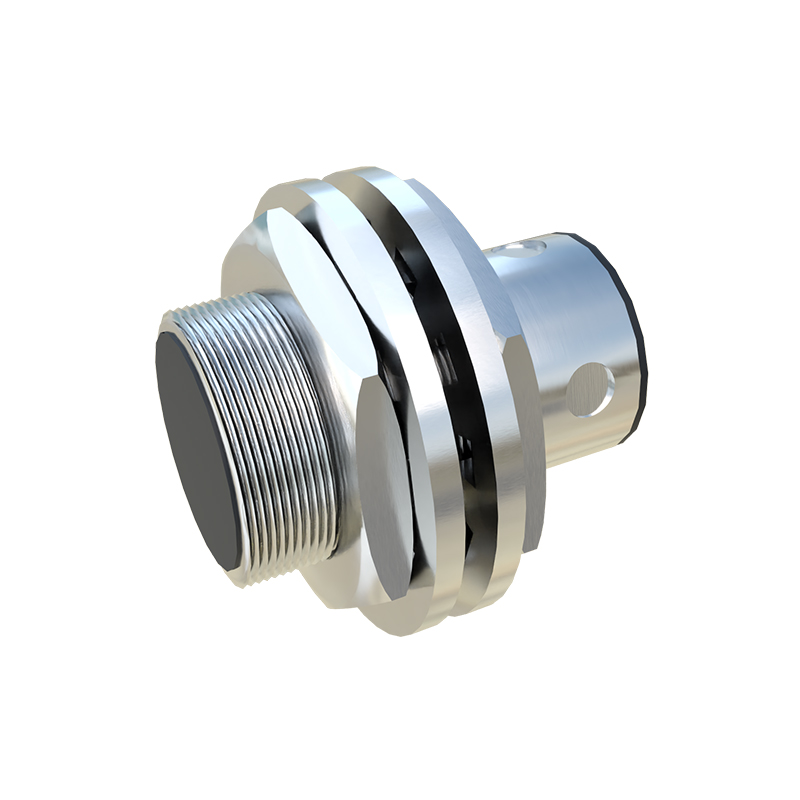
Sensor misalignment or mechanical wear often contributes to limiting failures. Over time, vibrations or physical impacts can shift sensor positions, altering their detection zones. For example, if a sensor meant to stop a conveyor belt at a specific point is misaligned by even a few millimeters, it may trigger too early or too late, causing product jams or incomplete operations. Regular calibration and alignment checks are essential. Using robust mounting brackets and inspecting for mechanical wear on sensor components—like sensing faces or mounting hardware—can prevent such issues. In high-vibration environments, opting for sensors with built-in vibration resistance improves accuracy.
Incorrect sensor selection for the application is a frequent but overlooked cause. Proximity sensors come in various types—inductive, capacitive, ultrasonic, and photoelectric—each suited for specific materials and ranges. Using an inductive sensor to detect non-metallic objects, for instance, will result in failure to limit properly. Engineers must assess factors like sensing distance, target material, response time, and output type (e.g., PNP vs. NPN) during design. Consulting sensor datasheets and application guidelines ensures the right fit, reducing the risk of malfunctions.
Software or control system integration errors can also lead to limiting issues. Even with a perfectly functioning sensor, improper programming in PLCs (Programmable Logic Controllers) or mismatched parameters can cause failures. For example, if the sensor's output signal is not correctly mapped in the control logic, machinery may ignore limit commands. Thorough testing and simulation during installation, along with regular software updates, help identify and rectify such gaps. Collaboration between electrical and software engineering teams is key to seamless integration.
In conclusion, proximity sensors failing to limit properly stem from diverse factors—environmental, electrical, mechanical, selection-based, and software-related. Proactive measures like routine maintenance, correct installation, appropriate sensor choice, and system testing are vital for prevention. By addressing these aspects, industries can enhance operational safety, reduce downtime, and optimize automation processes. As technology advances, leveraging smart sensors with diagnostic capabilities offers further improvements, enabling predictive maintenance and real-time adjustments for reliable limit control.