Proximity vision sensors represent a critical fusion of proximity sensing and machine vision technologies, enabling non-contact detection, measurement, and inspection in industrial environments. Unlike simple proximity switches, these sensors integrate imaging capabilities to provide rich visual data for complex decision-making. Based on their underlying technology and operational principles, proximity vision sensors can be broadly classified into several key categories, each suited for specific applications.
The first major category is 2D Vision-Based Proximity Sensors. These systems typically utilize one or more digital cameras and a controlled lighting source to capture two-dimensional images of the target area. They are further subdivided into area scan and line scan sensors. Area scan sensors capture a full frame image at once and are excellent for presence/absence checks, basic dimensional gauging, and pattern recognition on stationary or slowly moving objects. Line scan sensors, on the other hand, capture image data one line at a time as an object moves past, making them ideal for continuous web inspection (e.g., textiles, metals, paper) or high-speed sorting of objects on conveyors. Their proximity function is often derived by analyzing the focus, contrast, or specific feature location within the captured 2D image.
The second, and increasingly prevalent, category is 3D Vision-Based Proximity Sensors. These sensors provide depth information in addition to 2D visual data, creating a point cloud or depth map of the scene. Common technologies here include Stereo Vision, Structured Light, and Time-of-Flight (ToF). Stereo vision systems use two or more cameras to triangulate points in space, similar to human binocular vision. Structured light sensors project a known pattern (like grids or dots) onto an object and use a camera to analyze the deformation of this pattern to calculate depth. Time-of-Flight sensors emit modulated light (often laser or LED) and measure the phase shift or direct time delay of the reflected signal to determine distance for each pixel. 3D proximity vision sensors are indispensable for bin picking, robotic guidance, volume measurement, and inspecting object profiles or surface flatness.
Another fundamental classification is based on the type of light source employed. This includes Visible Light sensors, which operate in the spectrum seen by humans, and Non-Visible Light sensors. The latter includes Infrared (IR) and Laser-based sensors. IR sensors are excellent for low-light conditions or for applications requiring insensitivity to ambient visible light. Laser triangulation sensors, a specific type of structured light, use a laser line or dot for highly accurate distance and profile measurements, even on shiny or dark surfaces that challenge conventional vision.
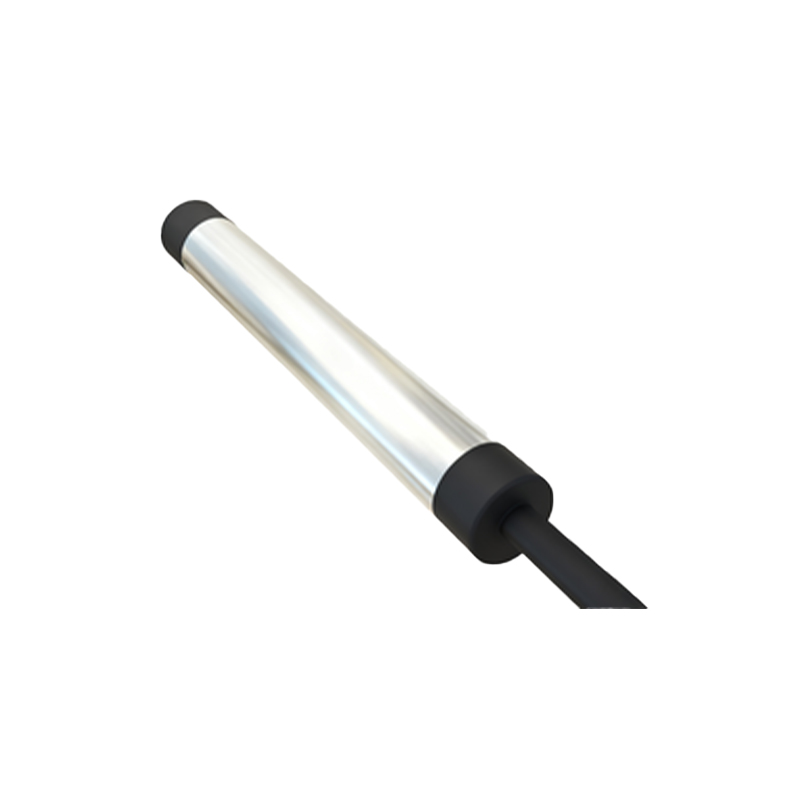
Furthermore, sensors can be categorized by their output and integration level. Basic vision sensors provide a simple digital or analog output (e.g., pass/fail, measured distance) and are designed for standalone inspection tasks. More advanced Smart Cameras or Embedded Vision Systems incorporate a processor within the sensor housing, capable of running complex vision algorithms (like OCR, barcode reading, or advanced blob analysis) and communicating directly over industrial networks (Ethernet/IP, PROFINET, EtherCAT). This integrated "sensor-as-a-system" approach reduces wiring and central processor load.
The choice of sensor category depends heavily on the application's requirements. For instance, verifying label presence on a bottle is a task for a 2D area scan sensor. Guiding a robot arm to grasp randomly oriented parts from a bin demands a 3D sensor, typically using structured light or stereo vision. Measuring the precise height of solder paste on a circuit board requires the accuracy of a laser triangulation sensor. Key selection criteria include required measurement resolution (XY and Z), working distance, field of view, processing speed, environmental robustness (against dust, moisture, vibration), and ambient lighting conditions.
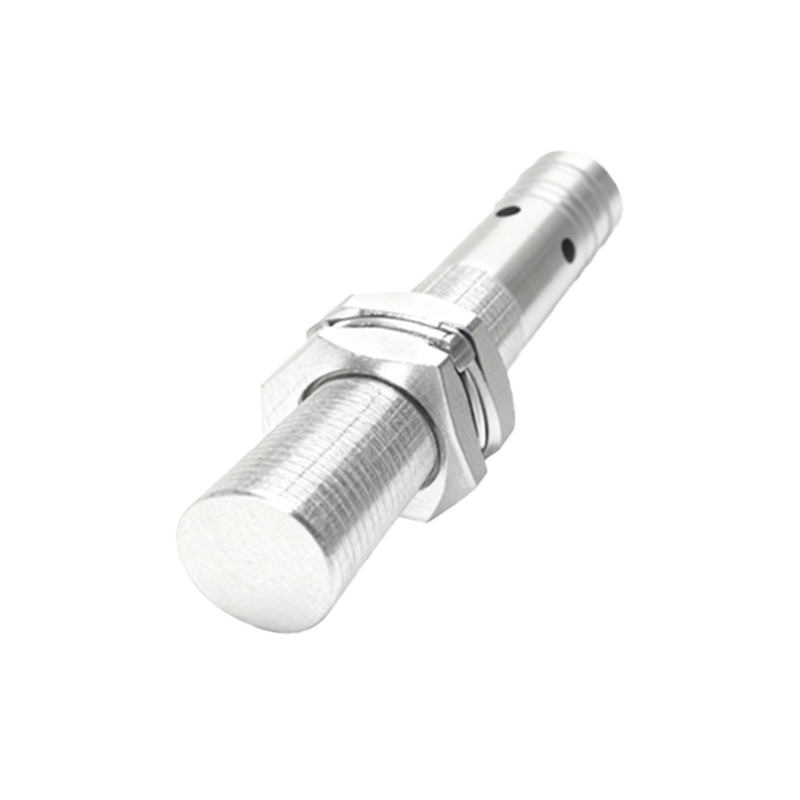
In modern smart factories and Industry 4.0 frameworks, proximity vision sensors are the "eyes" of automated systems. Their ability to provide precise spatial and visual data enables unprecedented levels of quality control, traceability, and flexible automation. From ensuring component alignment in assembly and detecting microscopic surface defects to safely guiding collaborative robots (cobots) near human workers, the classification of these sensors defines the toolbox from which engineers can select the perfect solution to bridge the gap between the physical and digital worlds.