In the rapidly evolving landscape of industrial automation and machine safety, proximity sensors stand as critical components for non-contact object detection. Understanding their pricing structure is essential for engineers, procurement specialists, and system integrators to make informed budgeting and design decisions. This guide provides a detailed analysis of the current market prices for various types of proximity sensors, examining the key factors that influence cost and offering insights for cost-effective selection.
The price of a proximity sensor is not a single figure but a spectrum influenced by a confluence of technical specifications, brand positioning, and purchasing volume. At the most fundamental level, sensor technology dictates a significant portion of the cost. Inductive proximity sensors, used for detecting metallic objects, are generally the most economical, with prices for standard cylindrical models (e.g., M12, M18) ranging from $15 to $80 USD per unit. Capacitive sensors, capable of detecting both metallic and non-metallic materials like liquids or plastics, typically command a premium, with prices between $25 and $120 USD. For longer-range detection or specific material requirements, ultrasonic and photoelectric sensors see a wider range, from $50 to over $300 USD, depending on sensing distance, light source (laser vs. LED), and environmental ratings.
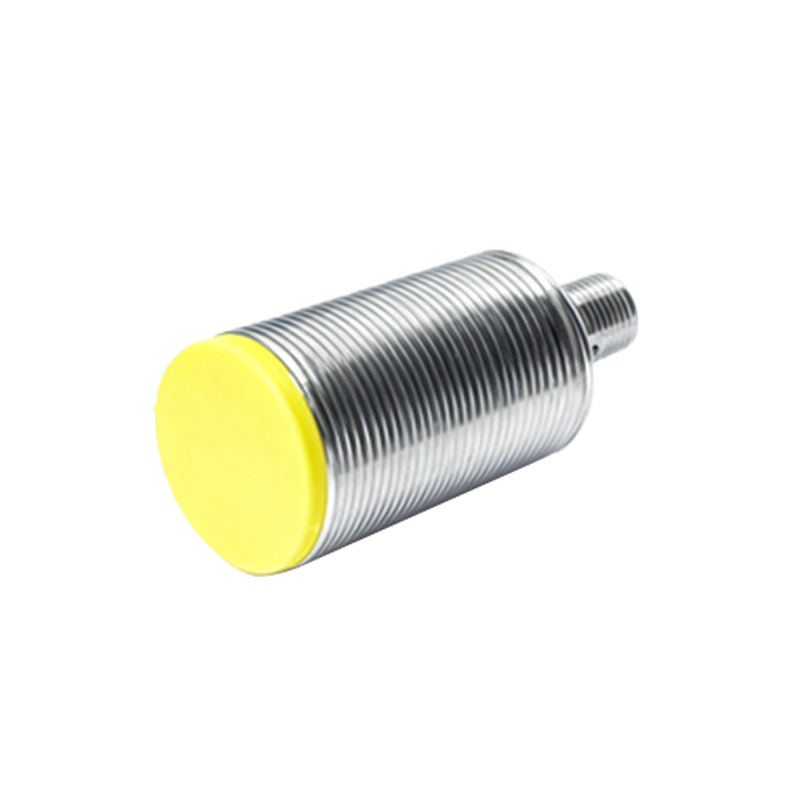
Beyond core technology, several critical specifications directly impact the price tag. The sensing range is a primary driver; a standard 5mm range inductive sensor is far less expensive than a specialized 40mm range unit. Housing material and design also contribute significantly. Stainless steel housings, essential for washdown or corrosive environments, increase cost compared to nickel-plated brass or PBT plastic. The protection rating (IP67, IP68, IP69K) is another major factor. A sensor rated IP67 is standard for most industrial applications, but an IP69K rating for high-pressure, high-temperature cleaning adds to the manufacturing complexity and cost. Electrical output type (PNP vs. NPN, NO vs. NC) and connection style (pre-wired cable vs. quick-disconnect) offer baseline variations, while analog output or IO-Link communication functionality can add 20% to 50% to the base price.
Brand reputation and supply chain positioning create another layer of price stratification. Established global leaders like Sick, Omron, Pepperl+Fuchs, and Balluff are positioned at the premium end of the market. Their sensors are renowned for reliability, extensive product validation, and global technical support, with prices reflecting this value. For instance, a standard M18 inductive sensor from these brands may cost $60 to $120. In contrast, competitive brands and generic manufacturers, often from Asia, offer functionally similar sensors at a substantially lower cost, typically in the $20 to $50 range for a comparable model. The trade-off often involves longer lead times, less consistent quality control, and limited local support.
Purchasing volume remains one of the most powerful levers for cost reduction. List prices are often merely a starting point. For OEMs or large end-users with annual procurement volumes in the thousands, direct negotiations with manufacturers or authorized distributors can yield discounts of 30% to 50% off catalog prices. Distributors like Allied Electronics, Digi-Key, or RS Components offer transparent online pricing for small-quantity purchases but provide significant breaks for volume orders. Furthermore, considering the total cost of ownership (TCO) is crucial. A cheaper sensor with a higher failure rate can lead to disproportionate costs in downtime, maintenance, and replacement, making a higher initial investment in a reliable brand more economical over the machine's lifecycle.
The market also shows clear pricing trends for specialized sensors. Cylindrical threaded sensors (M8, M12, M18, M30) are the most common and cost-competitive. Rectangular or slot-style sensors, used in specific mounting situations, are generally more expensive. Sensors designed for extreme conditions—such as high-temperature variants (capable of withstanding >100°C) or those with weld-field immunity for robotic welding cells—can see prices double or triple that of a standard unit. As Industry 4.0 gains momentum, sensors with integrated IO-Link digital communication are becoming increasingly popular. While they add 15-30% to the sensor's cost, they provide immense value in diagnostics, parameterization, and process data, potentially reducing wiring and commissioning costs elsewhere.
In conclusion, navigating the proximity sensor market requires a balanced approach. Engineers must align technical requirements (type, range, housing, rating) with operational needs and budget constraints. While list prices provide a benchmark, final costs are highly negotiable based on volume and supplier relationships. Prioritizing specifications that are absolutely necessary for the application, rather than over-specifying, is key to cost control. Ultimately, the most cost-effective sensor is the one