In the realm of industrial automation, consumer electronics, and automotive systems, proximity sensor integrated circuits (ICs) have become indispensable components. These sophisticated devices enable non-contact detection of objects, providing critical data for control, safety, and user interaction. A proximity sensor IC is essentially a complete sensing system on a chip, integrating a sensing element, signal conditioning circuitry, and often a digital interface into a single package. This integration offers significant advantages in terms of size, reliability, and ease of implementation compared to discrete sensor solutions.
The core technology behind most modern proximity sensor ICs is based on infrared (IR) light, typically utilizing a light-emitting diode (LED) and a photodiode or phototransistor. The IC modulates an IR signal emitted by the LED. When an object enters the detection field, it reflects a portion of this modulated light back to the photodetector. The onboard circuitry then processes this signal, filtering out ambient light interference and converting the reflected signal's strength into a usable output, often a digital signal indicating presence/absence or an analog value proportional to distance. More advanced ICs employ time-of-flight (ToF) or triangulation principles for precise distance measurement, not just detection.
Key performance parameters for evaluating a proximity sensor IC include sensing range, response time, resolution, and power consumption. The sensing range varies dramatically based on the application, from a few millimeters in smartphones for screen blanking during calls to several meters in industrial material handling. Response time is critical in high-speed automation lines, where milliseconds matter. Low power consumption is paramount for battery-operated devices like wearables and IoT sensors. Furthermore, modern ICs incorporate intelligent features such as programmable detection thresholds, interrupt outputs to wake a host microcontroller, and built-in compensation for temperature drift and component aging, which greatly simplifies system design.
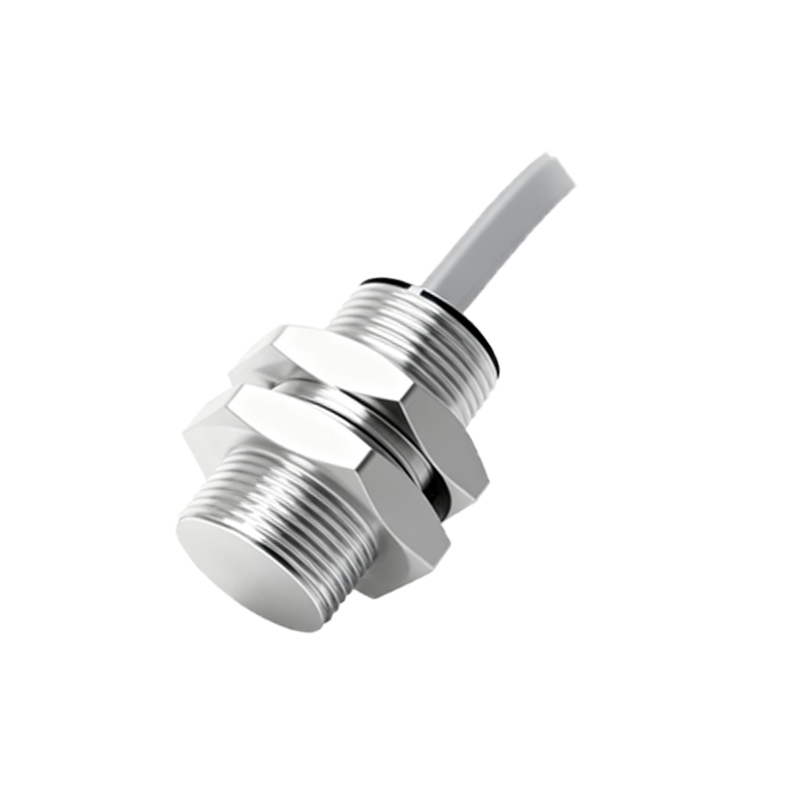
The applications for these ICs are vast and growing. In consumer electronics, they manage touchscreen behavior, enable gesture recognition, and conserve battery by turning off displays when a phone is held to the ear. In the automotive sector, they are used in occupancy detection for airbag systems, hands-free trunk opening, and collision avoidance. Industrial automation relies on them for object counting, jam detection, and precise positioning of robotic arms. The robust nature of optical sensing makes them ideal for harsh environments where mechanical switches would fail.
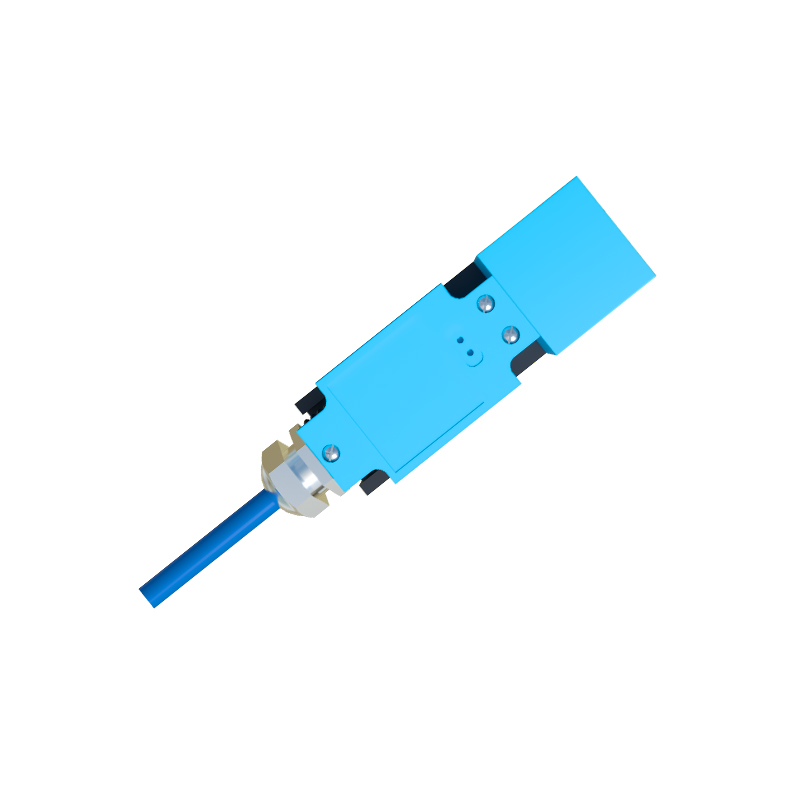
Selecting the right proximity sensor IC requires a careful analysis of the application's needs. Engineers must first define the required detection distance and the physical properties of the target objects (size, material, color, reflectivity). Environmental conditions like ambient light, dust, fog, or temperature extremes will dictate the need for specific filtering algorithms or housing designs. The choice of output interface—digital (I2C, SPI) or analog—depends on the host system's architecture. Package size is another crucial constraint, especially in miniaturized consumer products. Finally, cost considerations always play a role in balancing performance with budget.
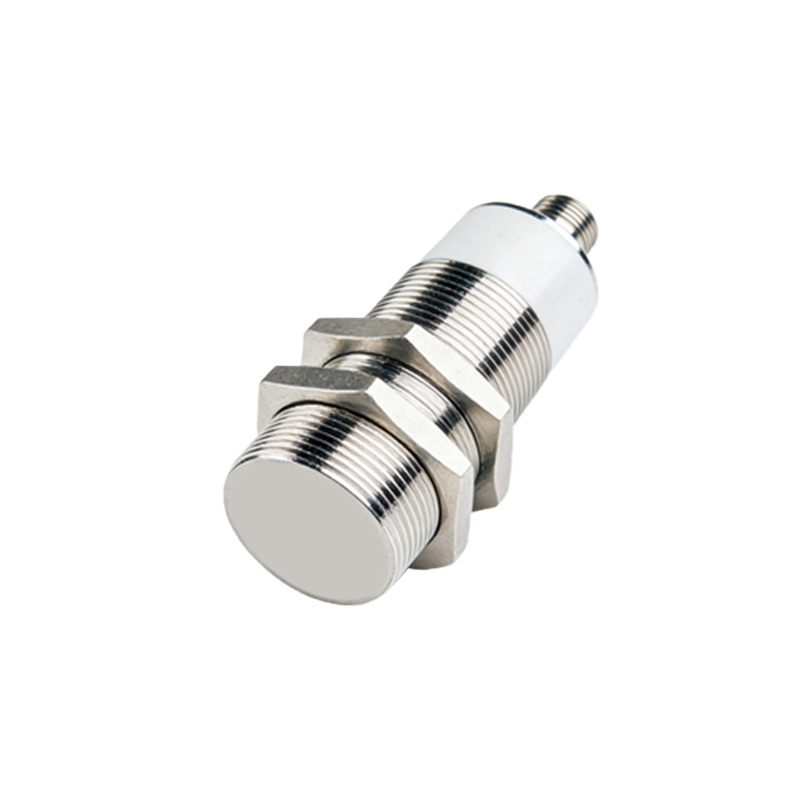
Looking ahead, the evolution of proximity sensor ICs is geared towards greater integration, intelligence, and miniaturization. We are seeing the convergence of proximity sensing with ambient light sensing (ALS) into combo chips, providing contextual awareness to devices. The adoption of vertical-cavity surface-emitting lasers (VCSELs) as light sources promises longer ranges and higher accuracy. Furthermore, the integration of artificial intelligence for edge processing directly on the sensor IC is an emerging trend, allowing for more complex object classification and decision-making at the point of sensing.
In conclusion, proximity sensor ICs represent a mature yet rapidly advancing technology. Their ability to provide reliable, non-contact detection in a compact, system-friendly format makes them a cornerstone of modern electronic design. For engineers, a deep understanding of their operating principles, key specifications, and application nuances is essential for leveraging their full potential to create innovative, efficient, and responsive systems across countless industries.