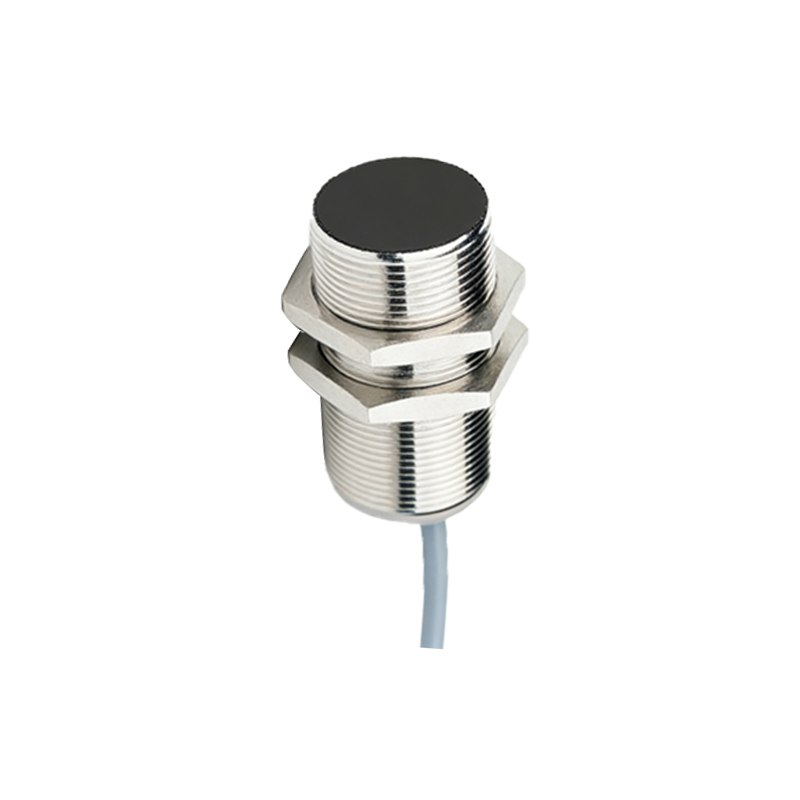
Light curtain proximity sensors, often referred to as safety light curtains or optical guards, are critical components in modern industrial automation systems. These devices play a pivotal role in ensuring operational safety and enhancing productivity by detecting the presence of objects or personnel within hazardous zones. Essentially, a light curtain consists of an array of photoelectric transmitters and receivers aligned to create an invisible protective screen. When an object interrupts one or more beams within this screen, the sensor triggers a safety response, such as halting machinery or activating alarms, thereby preventing accidents.
The fundamental principle behind light curtain proximity sensors is based on infrared or laser light transmission. The transmitter unit emits modulated light beams across a defined area, which are received by a corresponding receiver unit. This modulation helps distinguish the sensor's signal from ambient light, reducing false triggers. The system continuously monitors the integrity of the light beams; any interruption indicates an intrusion. Advanced models incorporate features like muting or blanking, allowing temporary beam interruptions for non-hazardous objects, such as materials on a conveyor, without compromising safety. This adaptability makes light curtains versatile for applications ranging from robotic cells to press brakes and assembly lines.
In terms of functionality, light curtains are categorized into Type 2 and Type 4 according to international safety standards like IEC 61496. Type 2 sensors are suitable for lower-risk environments, providing basic protection against mechanical hazards, while Type 4 offers higher reliability with redundant circuits and self-checking mechanisms, ideal for high-risk scenarios. The selection depends on factors like machine speed, required resolution (beam spacing), and environmental conditions. For instance, in automotive manufacturing, fine-resolution light curtains safeguard workers during precise operations, whereas in heavy machinery, robust designs withstand dust and vibrations.
The integration of light curtain proximity sensors into industrial systems involves careful alignment and configuration to ensure optimal performance. Proper installation minimizes blind spots and aligns with safety distance calculations, as per standards like ISO 13855, which determines the minimum distance needed to stop machinery before a person reaches the danger zone. Regular maintenance, including cleaning lenses and checking alignment, is essential to prevent degradation due to contamination or misalignment. Modern sensors also feature diagnostic capabilities, providing real-time feedback on beam status and fault conditions, thereby supporting predictive maintenance strategies.
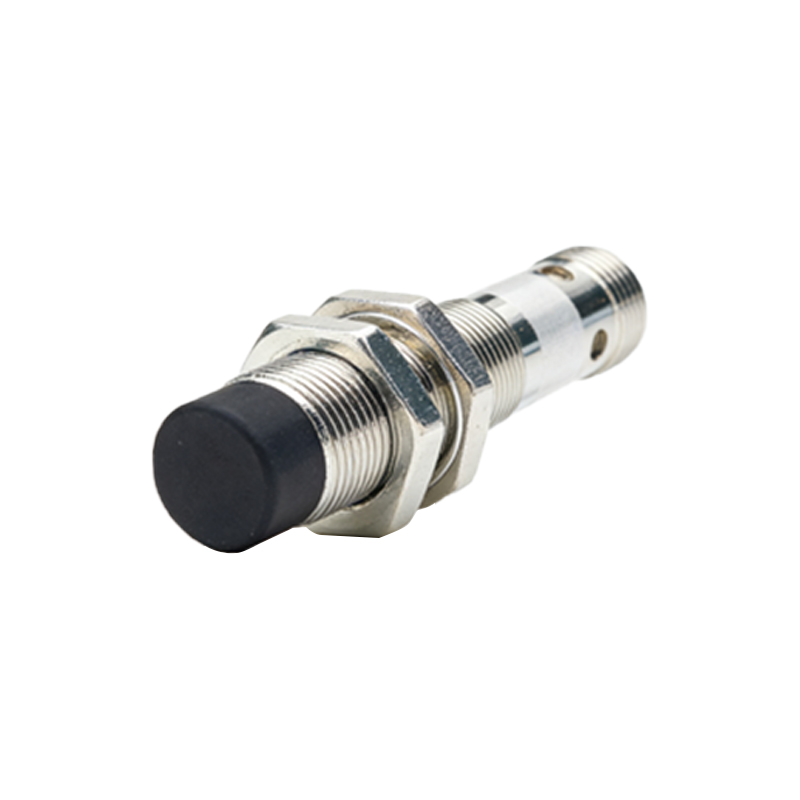
Beyond safety, light curtains contribute to operational efficiency by enabling non-contact detection. Unlike physical barriers, they allow seamless material flow and quick access for maintenance, reducing downtime. In automated processes, they can be used for part presence detection or counting, adding value beyond pure safety functions. As Industry 4.0 evolves, smart light curtains with connectivity options, such as IO-Link or Ethernet/IP, facilitate data exchange with control systems, enabling enhanced monitoring and integration into broader safety networks. This digital transformation supports proactive risk management and compliance with regulations like OSHA or EU machinery directives.
In summary, light curtain proximity sensors are indispensable in industrial settings, merging advanced optics with safety engineering to protect personnel and optimize workflows. Their principle of beam interruption detection, coupled with robust design and smart features, ensures reliable performance across diverse applications. As automation advances, these sensors will continue to evolve, offering higher precision and connectivity to meet the growing demands for safety and efficiency in the industrial landscape.