In the realm of industrial automation and machine safety, proximity sensors are indispensable. Among them, anti-glare or anti-light interference proximity sensors hold a special place. These sophisticated devices are engineered to function reliably in environments with intense ambient light, such as near welding stations, in direct sunlight, or under powerful industrial lighting, where standard sensors might fail due to optical noise. A common question from procurement specialists, system integrators, and engineers is: "How much do these specialized sensors cost?" The answer is not a single figure but a range influenced by a matrix of technical and commercial factors.
Firstly, the core technology dictates a significant portion of the cost. The most common types are:
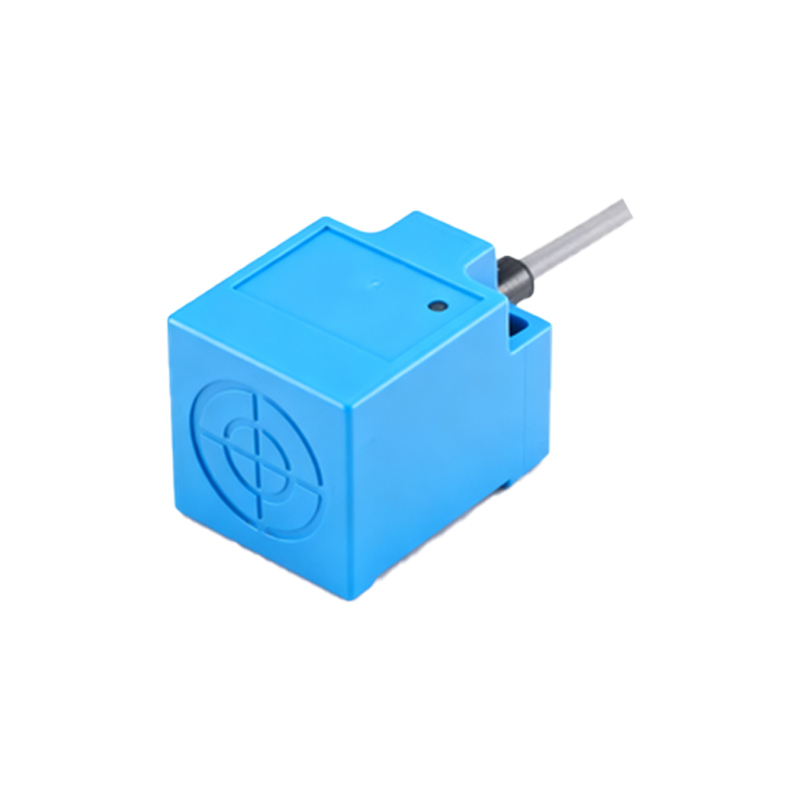
Diffuse Reflective Sensors with Background Suppression: These use triangulation or time-of-flight principles to ignore distant backgrounds and reflective surfaces. Prices typically start from $50 USD for basic models and can exceed $200 USD for high-precision, long-range versions with advanced diagnostics.
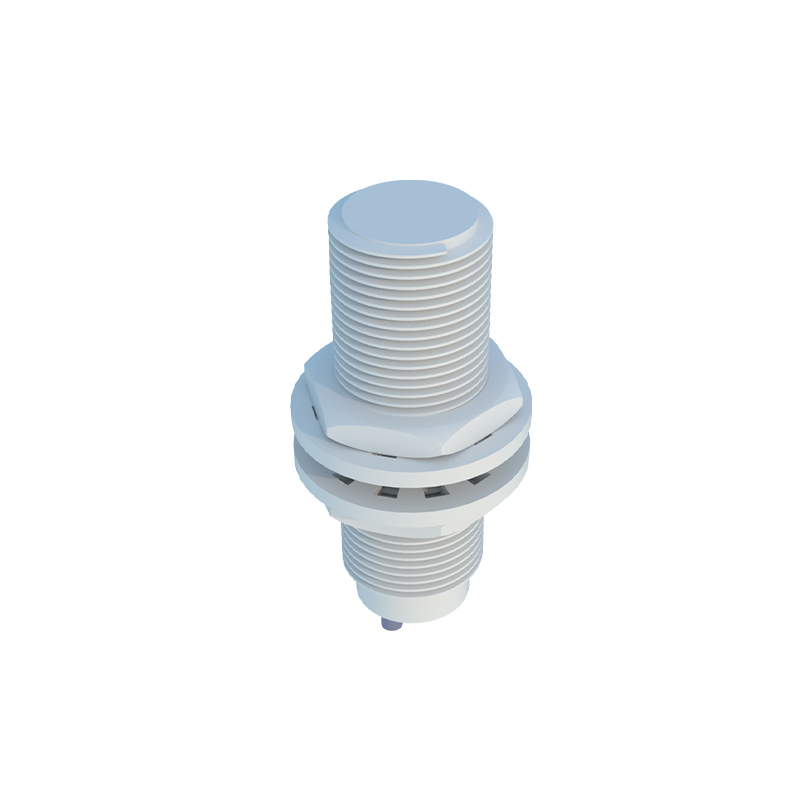
Retro-reflective Sensors with Polarization Filters: Designed to work with a reflector, the built-in filter blocks direct reflections from shiny objects, preventing false triggers. These are generally more economical, with a range from $30 to $150 USD.
Through-beam Sensors: Known for the longest range and highest reliability, the emitter and receiver are separate units. Anti-glare versions feature modulated infrared light and narrow-band optical filters to reject ambient light. A matched pair can cost between $80 and $300 USD, depending on range and housing robustness.
Beyond type, several specifications critically impact pricing:
Sensing Range: A sensor with a 2-meter range will cost substantially more than one with a 300mm range.
Light Immunity Rating: Measured in lux (e.g., immunity up to 30,000 lux for sunlight), a higher rating requires more refined optics and electronics, increasing cost.
Output Type & Function: A simple PNP/NPN transistor output is standard. Sensors with analog outputs (4-20mA, 0-10V), IO-Link communication for smart factory integration, or teach-in functionality for easy setup command a premium, often adding 20-50% to the base price.
Housing Material & Protection Class: Industrial-grade metal (stainless steel) or rugged plastic housings with high IP (Ingress Protection, e.g., IP67, IP69K) and NEMA ratings for washdown or hazardous areas increase durability and cost.
Brand & Certification: Established brands like Sick, Omron, Banner Engineering, Keyence, and Pepperl+Fuchs offer proven reliability and extensive support but at a higher price point. Sensors with international certifications (UL, CE, ATEX for explosive atmospheres) also carry a cost premium.
For budgetary planning, consider these general market tiers:
Economy Tier ($30 - $80): Suitable for general factory automation with moderate light interference. Often from value-oriented brands or as standard catalog items from major manufacturers.
Mid-Range/Performance Tier ($80 - $250): The most common selection for demanding applications. Offers excellent light immunity, good range, various output options, and robust housing. Represents the best balance of cost and performance.
High-End/Specialized Tier ($250 - $600+): Reserved for extreme conditions: very long ranges, exceptionally high light immunity, hazardous location approvals (ATEX/IECEx), or integration with sophisticated safety systems and networks.
It is crucial to view cost through the lens of Total Cost of Ownership (TCO). A slightly more expensive sensor from a reputable supplier that prevents just one production line stoppage due to false triggering pays for itself instantly. Factors like mean time between failures (MTBF), warranty length, availability of spare parts, and technical support are intangible value components that affect the real-world "cost."
In conclusion, while a basic anti-glare proximity sensor can be sourced for around $30-$50, the typical investment for a reliable sensor in an industrial setting falls in the $100 to $300 range. The final price is a direct reflection of the specific environmental challenge it must overcome. The most cost-effective approach is to precisely define the application requirements—required sensing distance, level of ambient light, object characteristics, and environmental conditions—and then consult with technical sales engineers from sensor manufacturers or authorized distributors. They can provide exact quotations and often suggest the most optimized model for your needs, ensuring system reliability and long-term value over the initial purchase price.