In the realm of industrial automation, the ability to detect the presence, absence, or position of an object is fundamental. This critical task is reliably performed by two primary types of non-contact sensors: photoelectric sensors and proximity switches. While both serve the overarching goal of object detection, their underlying principles, applications, and advantages differ significantly. Understanding these differences is key to selecting the right sensor for a specific task, ensuring optimal performance, reliability, and cost-efficiency in automated systems.
Photoelectric sensors operate on the principle of light transmission and reception. Essentially, they consist of an emitter (light source) and a receiver. The sensor detects an object by interpreting changes in the light signal received. These sensors are categorized mainly by their sensing modes: through-beam, retro-reflective, and diffuse reflective. Through-beam sensors have separate emitter and receiver units placed opposite each other; an object is detected when it interrupts the light beam. This mode offers the longest sensing range and highest reliability, ideal for precise detection in challenging environments. Retro-reflective sensors house both emitter and receiver in one unit, using a reflector to bounce the light beam back. Detection occurs when the beam is blocked. Diffuse reflective sensors also have a single housing, but they detect light reflected directly off the target object itself, making them simpler to install but with a shorter range and sensitivity to the object's color and surface texture.
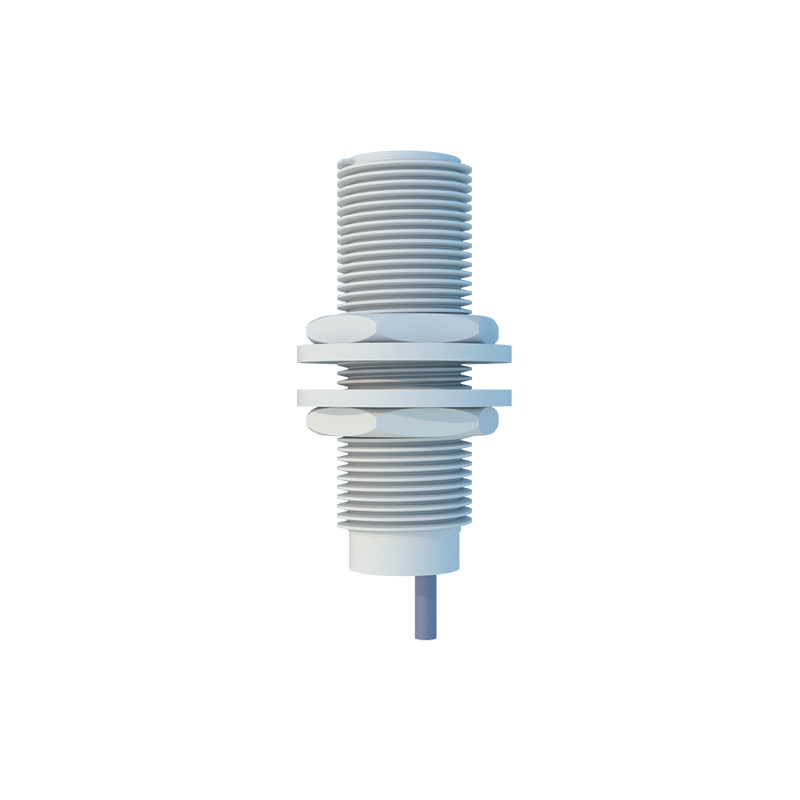
The light source in modern photoelectric sensors is typically a light-emitting diode (LED), often in visible red, infrared, or laser varieties. Infrared LEDs are common for their immunity to ambient light, while laser versions provide extremely precise detection for small objects or long ranges. Key advantages of photoelectric sensors include their ability to sense objects from a considerable distance, detect a wide variety of materials (including glass, plastic, metal, and liquids), and their insensitivity to the target's electromagnetic properties. They are widely used in packaging lines, material handling, food and beverage production, and assembly automation for tasks like counting, positioning, and break detection.
In contrast, proximity switches, specifically inductive and capacitive types, detect objects without any physical contact but through changes in an electromagnetic field. Inductive proximity switches are the most common type for metal detection. They generate an oscillating electromagnetic field from a coil in their sensing face. When a metallic object enters this field, it induces eddy currents that dampen the oscillation, triggering the sensor's output switch. These sensors are robust, wear-free, and excel in harsh industrial environments with dirt, dust, or oil. They are perfectly suited for detecting metal parts, such as in machine tools, robotic arms, and conveyor systems for position sensing or end-of-travel limits.
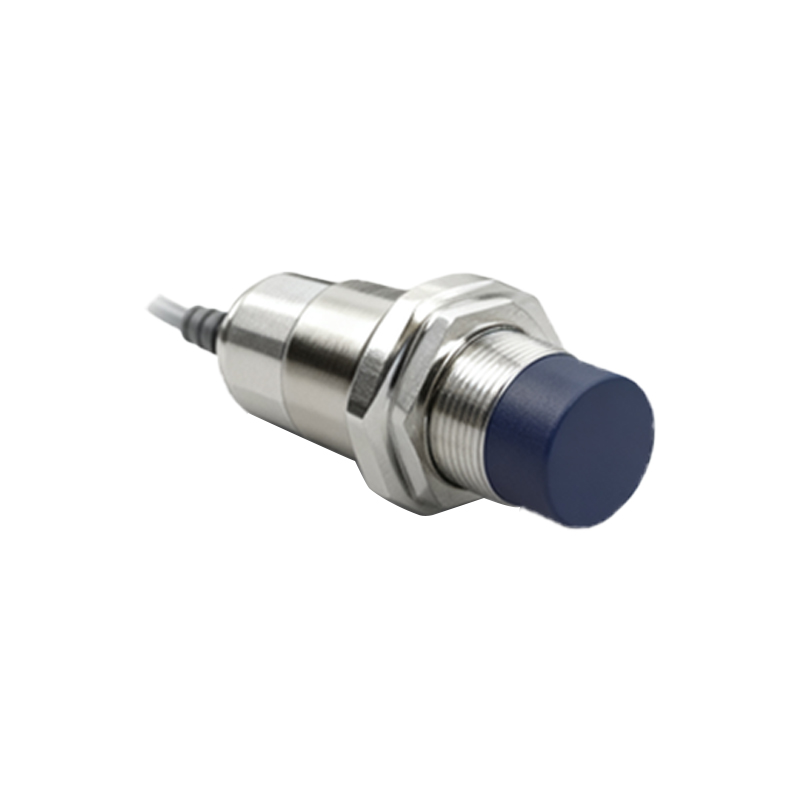
Capacitive proximity switches can detect both metallic and non-metallic materials—liquids, plastics, wood, granules, and more. They function by generating an electrostatic field. Any object with a dielectric constant different from air entering this field alters the sensor's capacitance, triggering detection. This makes them invaluable for applications like level detection in tanks (liquid or granular solids), presence detection of non-metallic containers, or monitoring material composition.
The core distinction lies in the detection method and target material. Photoelectric sensors rely on light and are material-agnostic over long distances but can be affected by environmental factors like fog, dust, or highly reflective backgrounds. Proximity switches, being field-based, have shorter sensing ranges but are exceptionally reliable for specific material types (metal for inductive, almost anything for capacitive) and are unaffected by opaque environmental contaminants.
Choosing between them hinges on the application's specific parameters: the target material, required sensing distance, environmental conditions, installation constraints, and required response speed. For instance, detecting a transparent bottle on a high-speed conveyor would necessitate a precise photoelectric sensor, perhaps a through-beam type. Conversely, confirming the position of a metal piston in a hydraulic cylinder calls for a rugged inductive proximity switch.
In conclusion, both photoelectric sensors and proximity switches are indispensable pillars of modern industrial sensing. Photoelectric sensors offer versatile, long-range detection for diverse materials, while proximity switches provide robust, short-range detection for specific material properties. A clear understanding of their operational principles and strengths enables engineers and technicians to design more efficient, reliable, and intelligent automated systems, forming the essential sensory network that drives productivity and quality in manufacturing and beyond.