In today's fast-paced industrial and consumer electronics landscape, efficiency is paramount. The integration of sensors, particularly proximity sensors, into various systems is a critical task that can significantly impact project timelines and overall functionality. Among the key factors driving adoption, ease of installation stands out as a primary concern for engineers, technicians, and DIY enthusiasts alike. This guide delves into the world of easy-install proximity sensors, exploring their features, benefits, and practical considerations for achieving seamless integration.
Proximity sensors are devices that detect the presence or absence of an object within a specific range without physical contact. They come in various types, including inductive, capacitive, ultrasonic, and photoelectric sensors. While each type has its unique operating principle and ideal application, a common thread among modern advancements is the focus on simplifying the installation process. Traditional sensors often required complex wiring, precise alignment, and extensive configuration, leading to increased labor costs and potential errors. The new generation of easy-install models addresses these pain points directly.
What makes a proximity sensor "easy to install"? Several design and feature elements contribute to this characteristic. First, many modern sensors feature intuitive mounting systems. These include simple bracket designs, quick-disconnect housings, and standardized form factors that fit common industrial mounts. The physical installation becomes a matter of minutes rather than hours. Second, wiring simplification is a major breakthrough. Sensors now often come with pre-wired cables, plug-and-play connectors like M8 or M12 standards, and clear, color-coded leads. This eliminates the guesswork and reduces the risk of incorrect connections, which can damage the sensor or the connected control system.
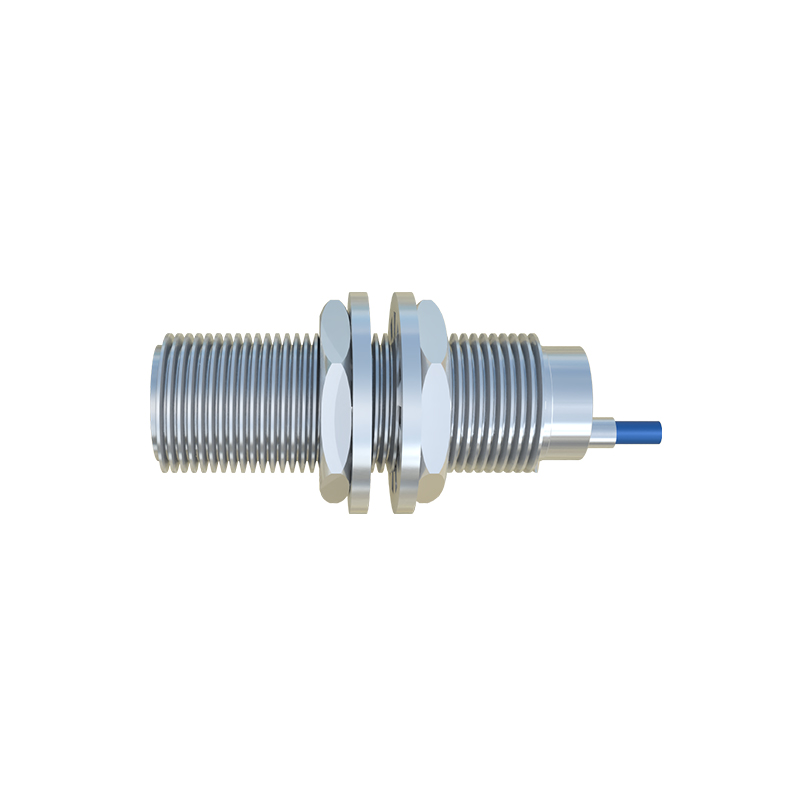
Furthermore, advanced sensors incorporate alignment aids. For instance, some photoelectric sensors have built-in LED indicators that provide visual feedback on alignment quality and detection status. An installer can see a bright LED when the sensor is correctly aligned with its target, ensuring optimal performance from the start. This feature is invaluable in applications where the sensor and target are in difficult-to-view locations. Another significant aspect is the reduction of calibration needs. Many easy-install proximity sensors are pre-calibrated from the factory for standard detection ranges and materials. They offer wide sensing ranges and adjustable sensitivity pots or teach-in functions, allowing for quick field adjustments without specialized tools or software.
The benefits of opting for sensors designed for easy installation are substantial. The most obvious is time savings. Reduced installation time translates directly into lower labor costs and faster project completion, enabling quicker time-to-market for products or production lines. It also minimizes system downtime during maintenance or retrofitting. Enhanced reliability is another key advantage. Simplified, foolproof wiring and mounting reduce human error, leading to more consistent and reliable sensor performance. This reliability is crucial in critical applications like automated assembly lines, robotic guidance, and safety systems.
For maintenance personnel, easy-install sensors mean easier replacement. When a sensor fails, having a plug-and-play replacement unit on hand allows for swift swap-out, restoring operations with minimal disruption. This interoperability, fostered by standardized connections and form factors, is a cornerstone of modern industrial design. Additionally, these user-friendly features make advanced sensing technology accessible to a broader range of users, including those with less specialized training, fostering innovation in small-scale automation and maker projects.
When selecting an easy-install proximity sensor for a specific application, several factors must be considered. The environment is paramount. Will the sensor be exposed to dust, water, oils, or extreme temperatures? Choosing a sensor with an appropriate Ingress Protection (IP) rating, such as IP67 for dust and temporary immersion, is essential for durability. The detection target material, size, and required sensing distance will determine whether an inductive, capacitive, or photoelectric sensor is most suitable. Inductive sensors, for example, are excellent for detecting metals at short ranges and are inherently robust.
Output type is another critical decision point. Sensors typically provide digital outputs like NPN, PNP, or relay contacts. The choice must be compatible with the input module of the programmable logic controller (PLC) or other receiving device. Finally, while ease of installation is a major goal, it should not come at the expense of necessary features. Ensure the sensor offers the required sensing range, response speed, and output configuration for the task.
In conclusion, the evolution of proximity sensors towards simplified installation represents a significant leap forward in practical automation. By prioritizing features like standardized connectors, visual alignment aids, and reduced calibration, manufacturers are removing traditional barriers to implementation. Whether for a large-scale industrial automation upgrade, a new machine build, or an innovative prototype, selecting sensors designed for easy installation is a strategic choice that pays dividends in saved time, improved reliability, and overall system robustness. As technology continues to advance, we can expect this trend towards user-centric, seamlessly integrable sensing solutions to accelerate, further democratizing automation and smart system design.