The automotive industry is witnessing a transformative shift with the integration of advanced sensor technologies, particularly in the realm of tailgate proximity sensors. These sophisticated devices are no longer mere accessories but essential components that redefine vehicle safety, convenience, and user experience. As a seasoned electrical engineer specializing in automotive systems, I delve into the technical intricacies and practical benefits of the latest tailgate proximity sensors, highlighting their evolution, operational principles, and future prospects.
Traditionally, tailgate operations relied on manual mechanisms or basic remote controls, often leading to accidental closures, safety hazards, and user inconvenience. The advent of proximity sensors has revolutionized this domain by introducing non-contact detection capabilities. Modern tailgate proximity sensors typically employ electromagnetic or capacitive sensing technologies to detect objects or human presence within a predefined range. For instance, electromagnetic sensors generate a magnetic field and monitor disturbances caused by metallic objects, while capacitive sensors detect changes in capacitance when a conductive object, such as a human body, enters the sensing zone. This enables precise detection without physical contact, reducing wear and tear and enhancing reliability.
The latest models of tailgate proximity sensors incorporate microcontrollers with embedded algorithms for real-time data processing. These algorithms filter out environmental noise, such as rain or debris, to minimize false triggers. Additionally, sensors now feature adaptive sensitivity settings, allowing them to adjust detection thresholds based on ambient conditions. For example, in low-light or adverse weather scenarios, the sensor can amplify its sensitivity to ensure consistent performance. This adaptability is crucial for maintaining functionality across diverse climates and driving environments, from urban settings to rugged terrains.
From a safety perspective, these sensors play a pivotal role in preventing accidents. They can halt tailgate movement instantly upon detecting an obstruction, thereby avoiding injuries or damage to property. In commercial vehicles, this is especially critical for loading and unloading processes, where workers might be in close proximity to the tailgate. Moreover, integration with vehicle networks, such as CAN (Controller Area Network) or LIN (Local Interconnect Network), allows sensors to communicate with other safety systems like rearview cameras or collision avoidance modules. This synergy creates a cohesive safety ecosystem, where the tailgate sensor contributes to broader autonomous driving functionalities.
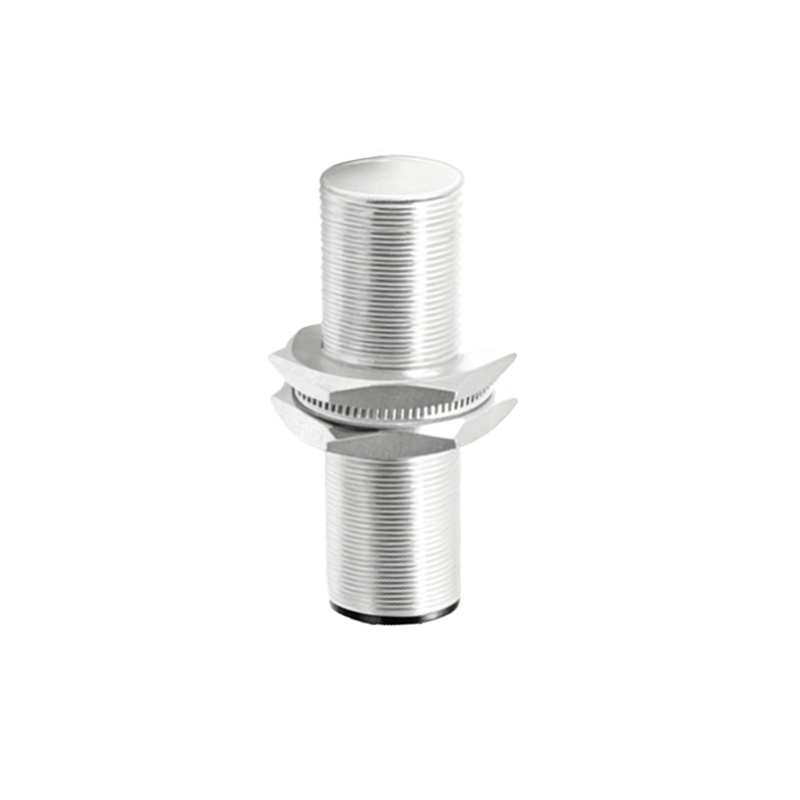
Convenience is another significant advantage. Modern sensors enable hands-free operation, where the tailgate automatically opens or closes based on user proximity or gesture recognition. This is particularly beneficial when users have their hands full, such as carrying groceries or luggage. Some high-end models even incorporate biometric authentication, ensuring that only authorized individuals can access the tailgate, thereby enhancing security. The user interface has also evolved, with mobile app integrations providing remote monitoring and control options. For instance, users can check the tailgate status or receive alerts on their smartphones, adding a layer of digital connectivity to the physical vehicle.
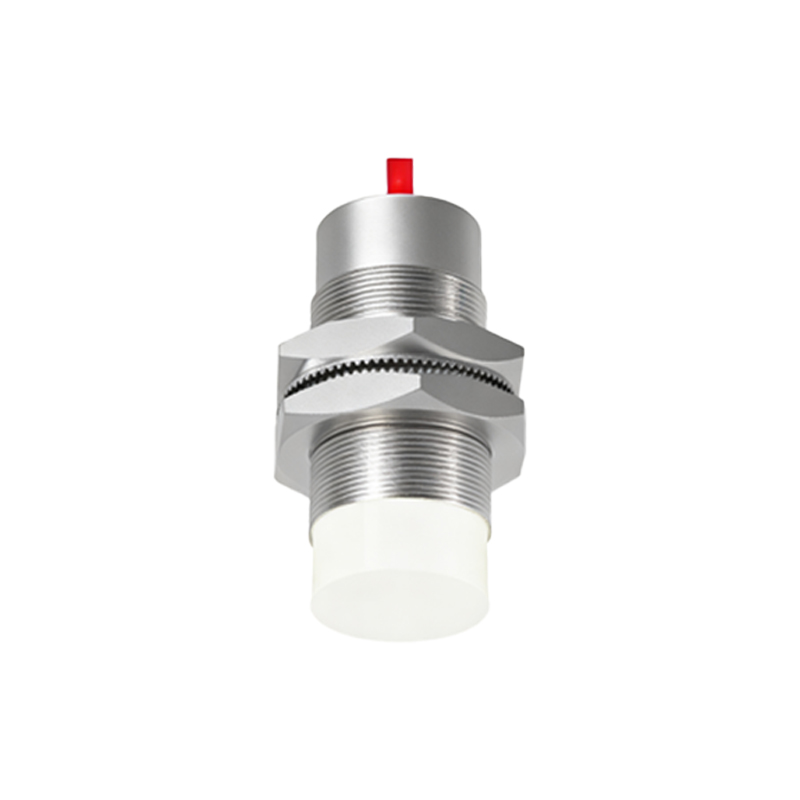
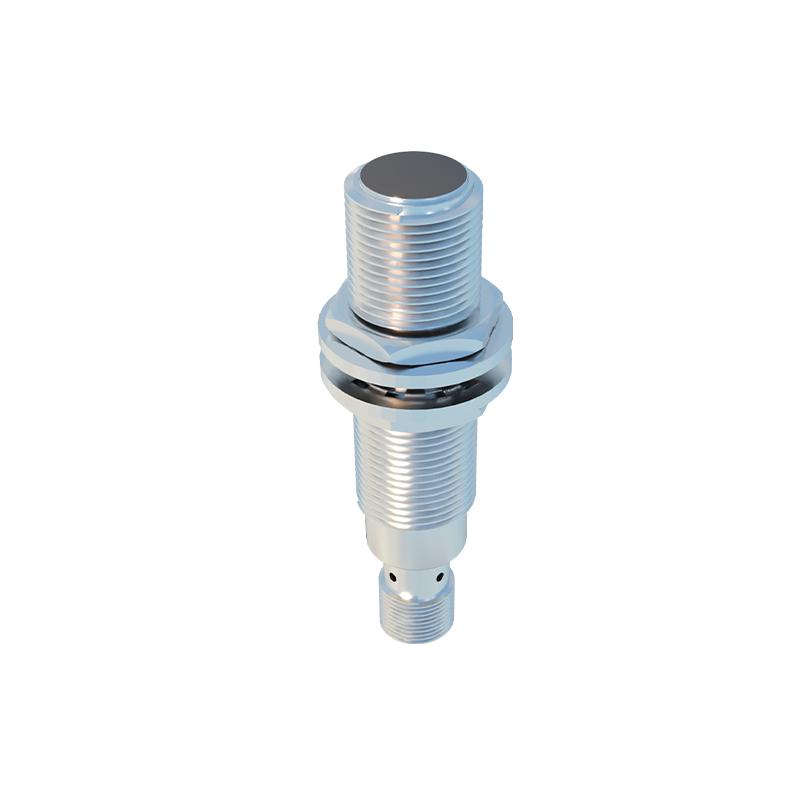
In terms of design and installation, the latest sensors are more compact and energy-efficient. They utilize low-power components, such as MEMS (Micro-Electro-Mechanical Systems) technology, to minimize battery drain in electric vehicles. The housing is often IP67-rated, offering protection against dust and water ingress, which extends the sensor's lifespan in harsh conditions. Installation has become streamlined, with plug-and-play modules that reduce wiring complexity and facilitate easier maintenance. This modular approach also allows for scalability, enabling manufacturers to customize sensor configurations based on vehicle models and customer preferences.
Looking ahead, the future of tailgate proximity sensing is intertwined with trends like electrification and autonomous driving. Researchers are exploring the use of LiDAR (Light Detection and Ranging) or ultrasonic arrays for more accurate 3D mapping of the tailgate environment. These technologies could enable predictive analytics, where the sensor anticipates user behavior based on historical data, further optimizing response times. Additionally, advancements in AI (Artificial Intelligence) may lead to self-learning sensors that continuously improve their detection accuracy through machine learning algorithms.
In conclusion, the new generation of tailgate proximity sensors represents a leap forward in automotive engineering. By blending cutting-edge technology with practical applications, they enhance safety, convenience, and efficiency in ways previously unimaginable. As the industry moves toward smarter and more connected vehicles, these sensors will undoubtedly play a central role in shaping the driving experience of tomorrow. For engineers and manufacturers, staying abreast of these innovations is key to delivering value in an increasingly competitive market.