In the world of industrial automation and control, the ability to detect objects without physical contact is a fundamental requirement. Among the various non-contact sensing technologies, the capacitive proximity switch stands out for its unique capabilities and versatility. Unlike its more common counterpart, the inductive proximity sensor, which detects only metals, a capacitive proximity switch can detect a vast array of materials, including liquids, plastics, glass, wood, and even granular substances. This makes it an indispensable tool in countless applications across diverse industries.
At its core, a capacitive proximity switch operates on the principle of capacitance change. The sensor face acts as one plate of a capacitor, with the target object acting as the other plate, and the air gap between them serving as the dielectric. The sensor generates an electrostatic field. When a target object enters this field, it alters the dielectric constant and thus the capacitance of the system. The sensor's internal oscillator circuit detects this minute change in capacitance. Once the change exceeds a predefined threshold, the sensor's output state switches, sending a signal to a programmable logic controller (PLC) or other control device. This entire process happens without any physical contact, ensuring no wear and tear on the sensor or the target.
The construction of a typical capacitive sensor includes a sensing electrode, an oscillator, a trigger circuit, and an output switching device, often housed in a robust metal or polymer casing. A key feature is the sensitivity adjustment potentiometer, usually accessible on the body of the sensor. This allows technicians to fine-tune the sensing distance or adjust for different material types. For instance, detecting a water-filled bottle requires a different sensitivity setting than detecting an empty cardboard box, even at the same distance.
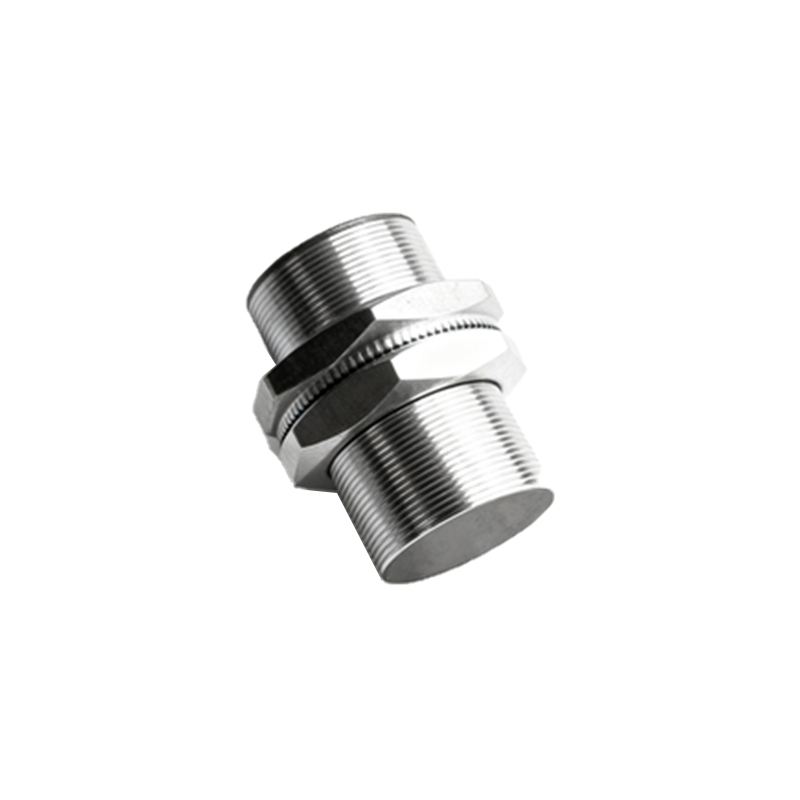
The applications for capacitive proximity sensors are remarkably broad. In packaging, they reliably detect the presence of plastic bottles, foil lids, or cardboard boxes on a conveyor, regardless of color or transparency. In the food and beverage industry, they are perfect for liquid level detection in non-metallic tanks, ensuring precise control for filling operations. Woodworking machines use them to sense the presence of wood panels, while printing presses employ them to monitor paper or film web breaks. They can even detect materials through thin non-metallic walls, enabling sealed container monitoring. Another critical use is in human presence detection for touchless faucets, soap dispensers, and automatic doors, leveraging the human body's inherent capacitance.
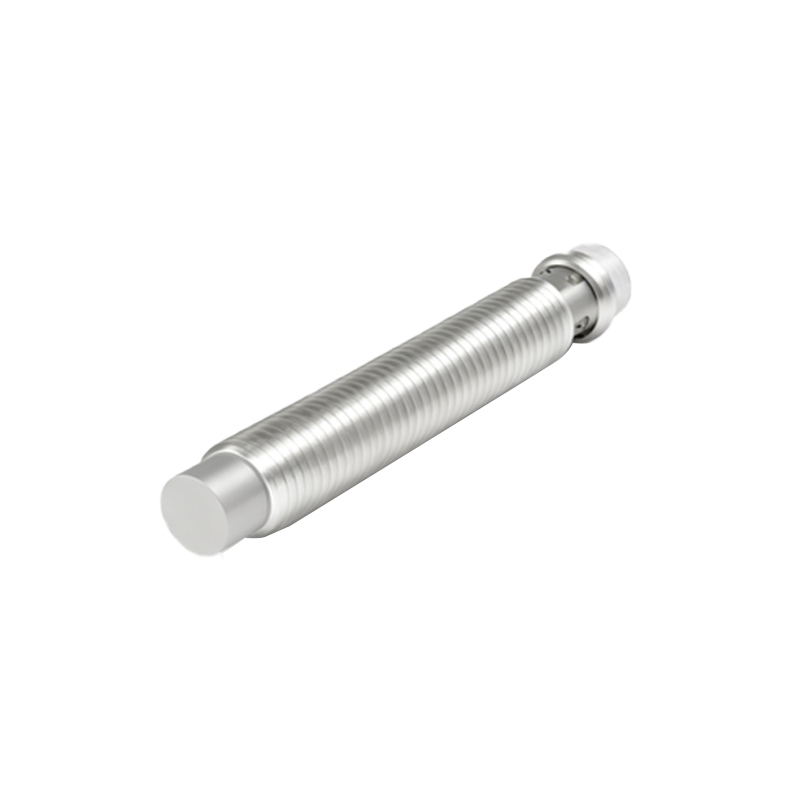
Selecting the right capacitive proximity switch requires careful consideration of several factors. First, the sensing distance, or nominal range, must be suitable for the application. It's crucial to note that the effective sensing distance can vary with the target material's dielectric constant; water has a very high constant and is easily detected, while dry wood has a lower one. The housing material is another decision point; cylindrical metal housings offer durability but may require a non-flush (unshielded) mounting style for maximum range, while plastic housings are ideal for detecting metals or in environments where metal sensing faces could cause interference. Output type is also vital—PNP (sourcing) or NPN (sinking) transistor outputs are standard for DC models, with 2-wire AC/DC and analog output versions also available. Environmental ratings, such as IP67 for protection against dust and temporary immersion, are essential for harsh washdown areas in food processing.
Installation and maintenance are straightforward but demand attention to detail. Sensors should be mounted securely, away from other large metal objects that could cause false triggering. The sensitivity should be adjusted with the actual target material present, setting it just above the point where false signals occur. Common challenges include false triggers from conductive dust buildup on the sensor face or environmental factors like humidity changes, which can be mitigated by regular cleaning and proper calibration.
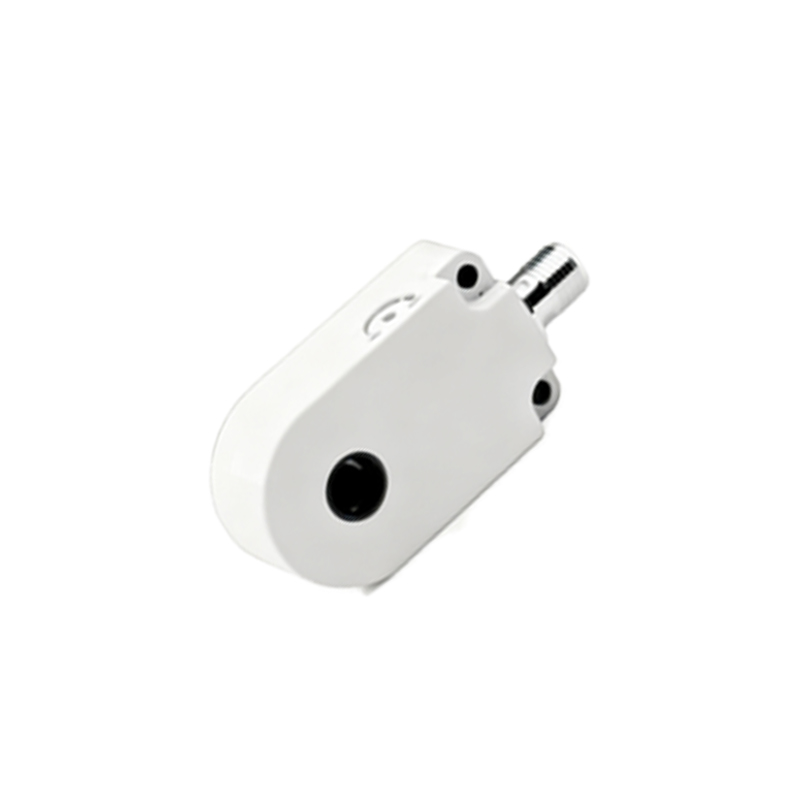
In summary, capacitive proximity switches offer a flexible and reliable sensing solution where other technologies fall short. Their ability to interact with almost any material through a non-contact method opens up possibilities for automation, safety, and process control that are both sophisticated and efficient. By understanding their operating principle, key specifications, and application nuances, engineers and technicians can effectively harness their power to create more responsive, intelligent, and efficient automated systems.