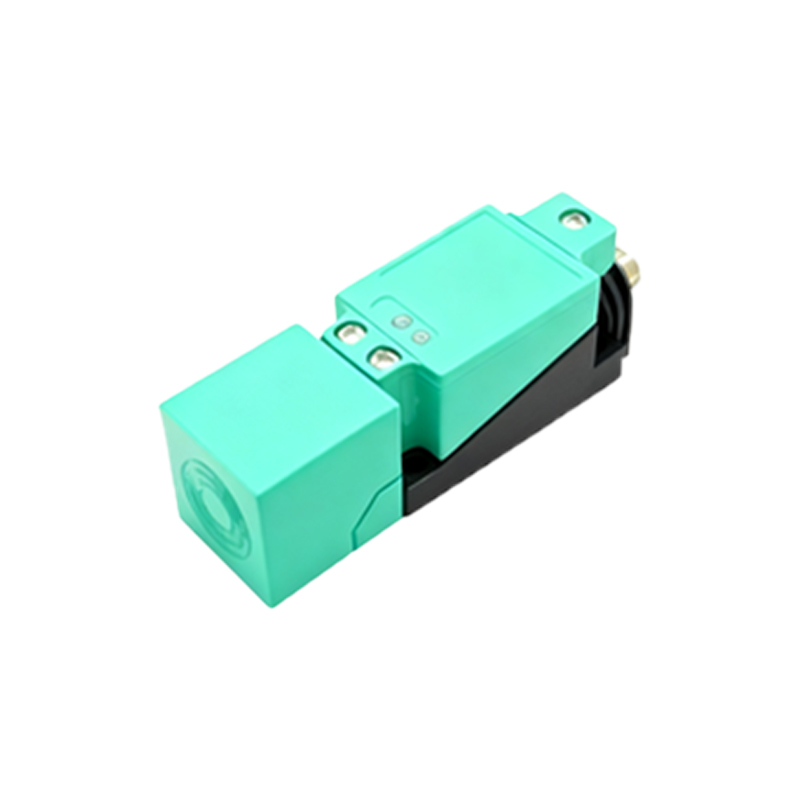
In today's interconnected technological landscape, the concept of sensor brand proximity has emerged as a critical factor influencing system integration, data reliability, and long-term operational efficiency. This term refers to the strategic alignment and compatibility between different sensor manufacturers within a unified system or application environment. As industries increasingly rely on complex sensor networks for automation, monitoring, and data collection, understanding brand proximity becomes essential for engineers, system architects, and procurement specialists.
The foundation of sensor brand proximity lies in interoperability standards. Leading manufacturers often develop proprietary communication protocols, calibration methodologies, and data formats. When sensors from brands with high proximity are deployed together, they typically share similar design philosophies, voltage requirements, and output signal characteristics. This inherent compatibility reduces integration complexity, minimizes middleware requirements, and decreases potential points of failure. For instance, in an industrial automation setting, using pressure and temperature sensors from brands with established interoperability can streamline PLC programming and reduce calibration time by up to 40% compared to mixing disparate systems.
Data consistency represents another crucial dimension. Sensors from brands with close proximity often exhibit comparable accuracy ratings, response times, and environmental tolerances. This homogeneity ensures that data streams across a network maintain consistent quality and granularity, which is particularly vital for machine learning algorithms and predictive analytics. In automotive manufacturing, for example, robotic assembly lines utilizing force and vision sensors from strategically aligned brands demonstrate fewer data interpretation errors and more synchronized operations.
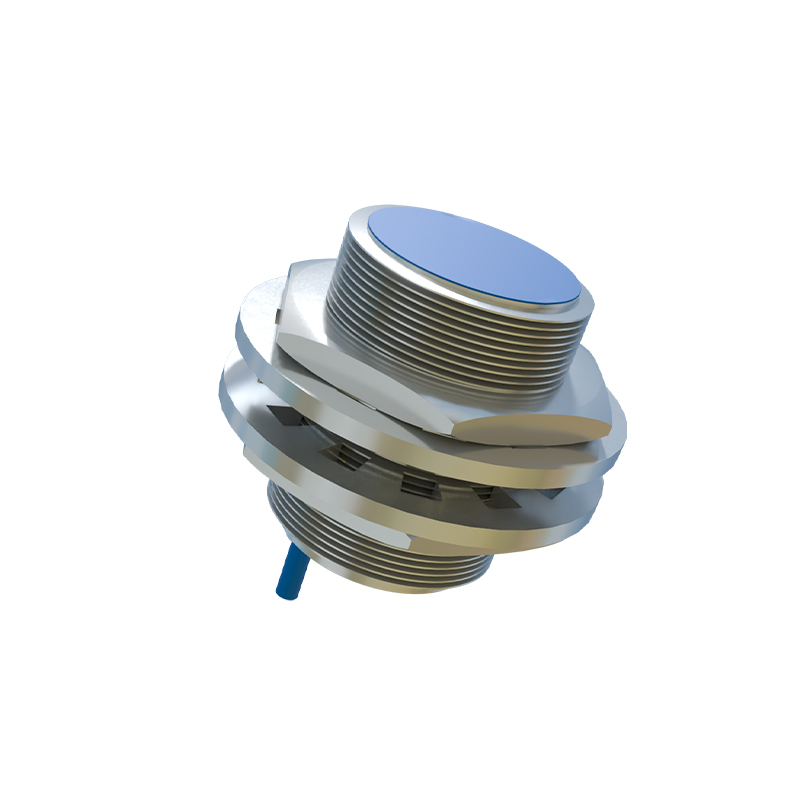
From a maintenance and lifecycle perspective, brand proximity simplifies inventory management and technical support. Organizations benefit from consolidated supplier relationships, unified firmware update schedules, and standardized diagnostic tools. This approach reduces training requirements for technical staff and often leads to more favorable volume purchasing agreements. A study of commercial building management systems revealed that facilities using HVAC and occupancy sensors from a curated ecosystem of compatible brands experienced 30% lower annual maintenance costs and longer mean time between failures.
However, the pursuit of brand proximity requires careful strategic balance. Over-reliance on a single brand ecosystem may create vendor lock-in, reduce negotiating leverage, and limit access to innovative niche technologies. The most resilient system architectures often incorporate sensors from brands with measured proximity—maintaining core compatibility while intentionally introducing select components from alternative manufacturers to foster competition and technological diversity. This hybrid approach is evident in modern precision agriculture, where farmers combine primary soil moisture sensors from established brands with specialized drone-mounted multispectral sensors from innovative startups.
The evolution of open standards and industry consortia is gradually reshaping traditional brand proximity dynamics. Initiatives like the Open Connectivity Foundation and IEEE sensor standards are creating frameworks where even competing brands can achieve functional proximity through adherence to shared specifications. This standards-driven compatibility is accelerating in sectors like smart cities and healthcare, where public infrastructure requires multi-vendor interoperability.
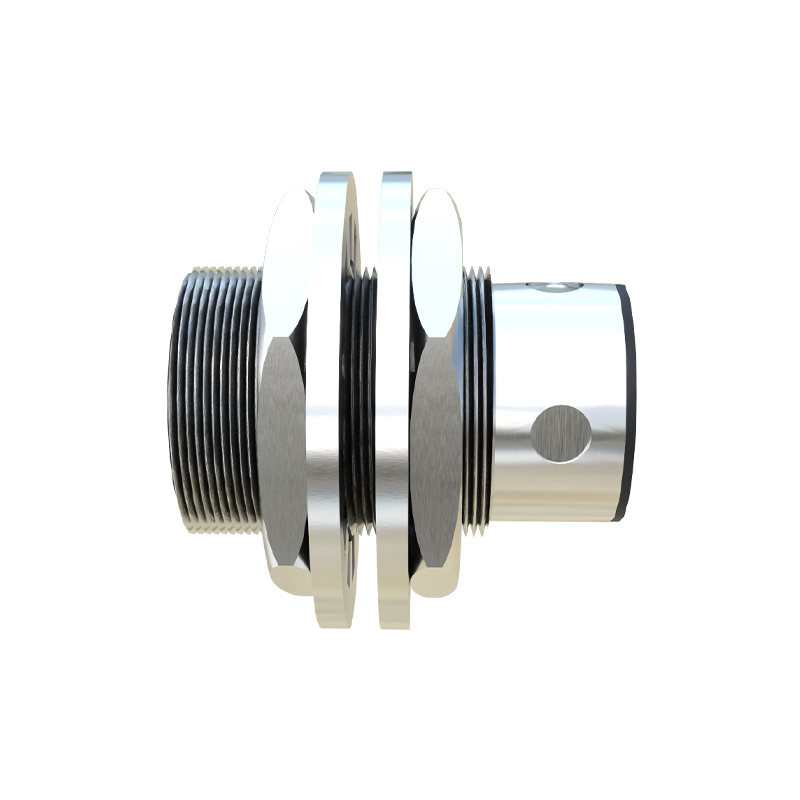
Implementation best practices begin with comprehensive requirement analysis. Technical teams should map all necessary sensor parameters—including measurement ranges, sampling rates, physical interfaces, and environmental certifications—before evaluating brand compatibility matrices. Pilot testing in controlled environments remains indispensable for verifying real-world interoperability claims. Successful organizations often develop internal scoring systems that weigh brand proximity factors against cost, feature sets, and strategic partnership considerations.
As edge computing and IoT networks continue to expand, sensor brand proximity will increasingly influence system scalability and data governance. Future developments may see artificial intelligence algorithms dynamically adjusting calibration across sensor brands in real-time, potentially reducing the importance of hardware-level compatibility. Nevertheless, for current implementations, deliberate management of sensor brand relationships represents a significant competitive advantage, enabling more robust, efficient, and future-ready technological deployments across every industry sector.