In the realm of industrial automation and electrical control systems, the precision and reliability of proximity sensor installation are paramount. A specialized proximity sensor installation team is not merely a group of electricians; it is a cohesive unit of technicians, engineers, and project managers whose expertise directly impacts system uptime, safety, and operational efficiency. The deployment of these non-contact detection devices—be they inductive, capacitive, ultrasonic, or photoelectric—requires a methodical approach grounded in deep technical understanding.
The foundation of a successful installation begins long before the first sensor is mounted. A proficient team initiates with a comprehensive review of system schematics, P&IDs (Piping and Instrumentation Diagrams), and the machine's operational cycle. Understanding the detection object's material, size, shape, and required sensing distance is critical for selecting the correct sensor type and model. Environmental factors such as ambient temperature, presence of contaminants (oil, dust, coolant), and potential electromagnetic interference (EMI) from nearby motors or high-current cables must be rigorously assessed. This pre-installation planning phase mitigates the risk of false triggers, premature failure, or inadequate performance.
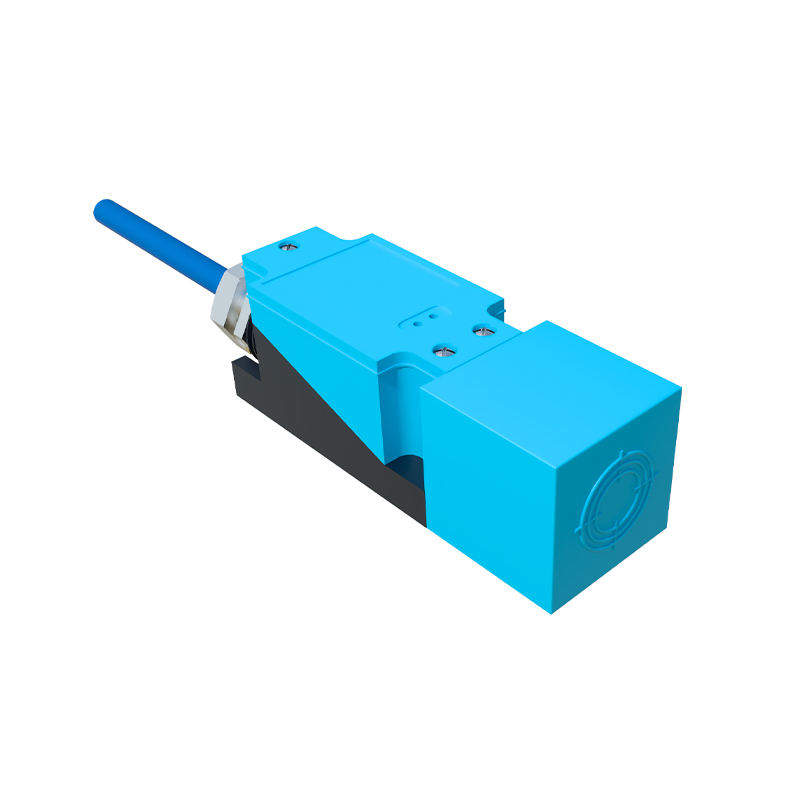
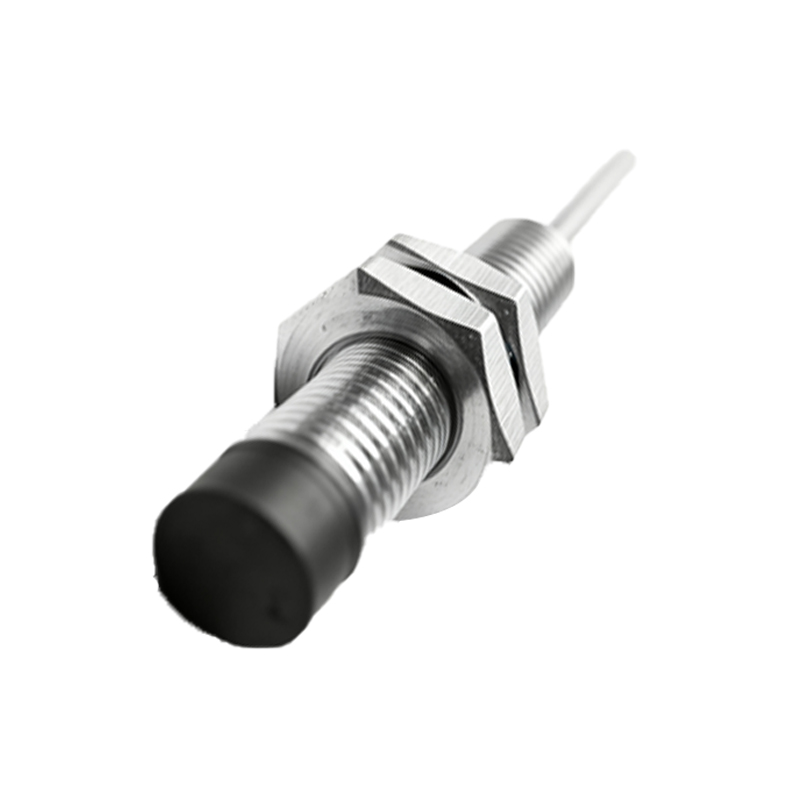
During the physical installation, attention to detail separates an expert team from an average one. Mounting stability is non-negotiable. Sensors must be securely fastened using appropriate brackets to prevent vibration-induced misalignment, which can lead to erratic signals. For inductive sensors, the team must ensure the correct mounting flush or non-flush relative to the metal surrounding, as specified by the manufacturer. Maintaining the proper sensing gap—often a matter of millimeters—is crucial. Teams utilize precise gauges and measurement tools to set this gap under actual operating conditions, accounting for any thermal expansion or mechanical play in the machinery.
Wiring and connectivity, while seemingly straightforward, are frequent sources of issues. A skilled team meticulously follows the sensor's datasheet for wiring requirements, distinguishing between NPN (sinking) and PNP (sourcing) output configurations to match the PLC (Programmable Logic Controller) input card. They employ shielded cables in environments with high EMI, grounding the shield at only one end—typically the control panel end—to prevent ground loops. Cable routing is planned to avoid parallel runs with power cables, minimizing inductive coupling. Conduit and cable glands are used appropriately to ensure ingress protection (IP ratings) are maintained, especially in wash-down or outdoor applications.
Commissioning and testing are the final, critical validation steps. The team does not assume functionality upon power-up. They systematically test each sensor across the full range of its intended operation, using the actual target material. Oscilloscopes or advanced diagnostic tools may be used to verify the cleanliness and timing of the output signal. Parameters like hysteresis and response time are verified against application requirements. The team documents all settings, mounting positions, and wiring diagrams, creating as-built documentation invaluable for future maintenance and troubleshooting.
Beyond technical execution, the hallmark of a top-tier installation team is its commitment to continuous learning and safety. Proximity sensor technology evolves, with new offerings like IO-Link for advanced diagnostics and parameterization. Teams must stay abreast of these developments. Safety is ingrained in every action, from adhering to lockout-tagout (LOTO) procedures during installation on live equipment to understanding the safety-critical role of sensors in guarding and interlock systems, where failure is not an option.
Ultimately, the value of a dedicated proximity sensor installation team is measured in system resilience. Their work ensures that sensors perform consistently, providing the reliable data that forms the nervous system of modern automated processes. This reliability translates directly into reduced downtime, lower maintenance costs, and enhanced productivity—a return on investment that justifies the engagement of specialized, knowledgeable professionals for this precise and demanding field of electrical engineering.